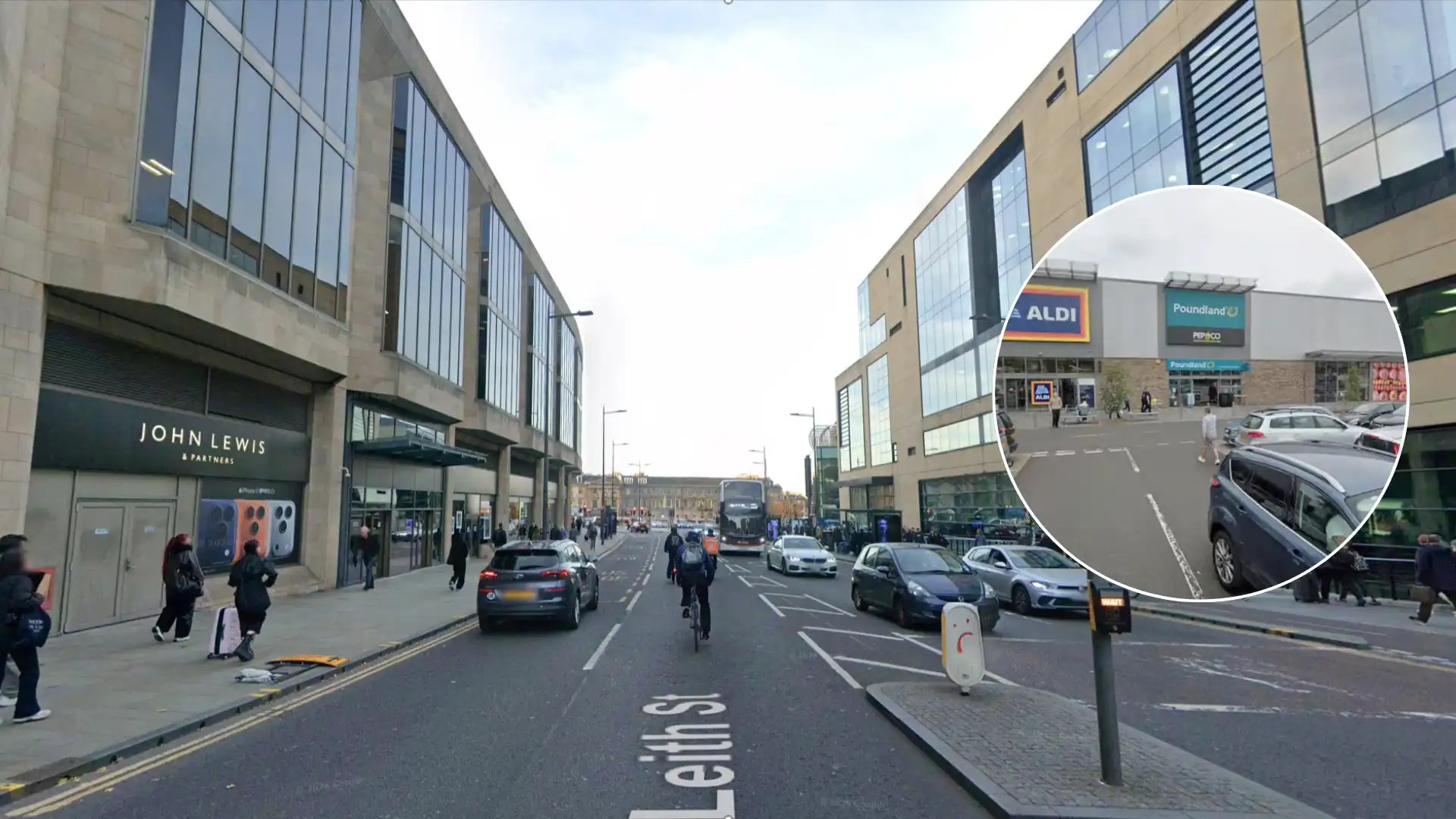
Plans to convert an Edinburgh retail park unit into a 24-hour gym have been approved despite objections from local residents.
Plans to transform the space at 2 Fruitmarket Place into a brand-new, round-the-clock JD Gym were submitted by BP Investment Management Ltd. in September. Situated in Edinburgh West Retail Park, between the Aldi and M&S Food stores, the empty 698 square meter Chesser property was once a Poundland store.
A 683 square meter mezzanine will be installed as part of the authorized proposal, and the unit will be converted to a Class 11 gym.
Approving the plans on January 6, the council’s chief planning officer David Givan said:
“The proposal complies with the development plan as it is in accordance with the LDP and NPF 4.
The gym is acceptable as an appropriate proportion of retail units in the local centre will be retained and it complements its character and would not be detrimental to its vitality or viability.
It re-uses brownfield land, contributes towards sustainable living and is acceptable on transport matters. No adverse impact on amenity is anticipated.
The gym would provide a leisure facility in an accessible, sustainable location near a train station, bus stops, footways and homes. In this regard it has the potential to contribute to sustainable living.”
However, three locals objected to the plans, citing an overabundance of gyms in the region and a preference for retail space at the retail park. They are worried that the new gym will impact traffic in the area.
One local resident said: “There are enough gyms in the area. A retail shop is preferred. There is also enough traffic in the area, it could not cope with any more, especially at the weekends.”
While another added:
“This will impact negatively in the neighbours since commercial space is much more needed and serves to a broader population.
Also, this will affect negatively the people that rely on vehicle use to do their food shopping in the retail park since the parking space is limited and the use of gym facilities requires longer parking stays.”
There was one note of support for the plans on the council’s online planning portal, with a local resident stating:
“I live close by, a 24-hour gym with convenient parking would be a good addition to the area, there are three budget retailers still right beside, so the loss of one does not meaningfully reduce shopping options in this retail park.”
In the planning documents, the applicant said of the plans:
“The proposed gym will enhance vitality and viability by being open outwith normal shopping hours and encourage a mix of uses.”
The applicant now has three years to complete the change of use at the Chesser retail park. Before development can begin, the Local Planning Authority must receive written approval of the full details of the cycle provision, which must be implemented before the new gym opens for business.
The floor depicted within the red line border on the authorized drawings must be used exclusively for gymnasium purposes, according to another requirement linked to the permission.
What planning conditions were attached to the approval decision?
Public reports on the Edinburgh Council approval for converting the former Poundland unit at Edinburgh West Retail Park into a JD Gymnasiums don’t expose exact planning conditions attached to the decision.
Typical retail- to- rest transformations include pre-commencement conditions like noise impact mitigation( aural walls, ventilation limitspost-10pm), external lighting schemes minimising domestic slip, and drainage plans for increased footfall. Operating hours may circumscribe 24/7 access to spa-only use banning classes, with obligatory trip Plan submission addressing Meadow Place Road parking pressures raised in expostulations.
Council officers likely fortified delivery/ servicing outside peak hours( 7- 9 am, 5- 7 pm), cycle parking provision( 12 spaces minimal per policy), and caddy storehouse webbing to alleviate anti-social behaviour enterprises. A Construction Method Statement would control phased fit- eschewal noise guarding near homes, alongside Biodiversity Net Gain verification for the 698 sqm point.