Key Points
- Drivers in Edinburgh are facing months of travel chaos due to extensive roadworks closing key routes across the city.
- Works in Tollcross are expected to last for four months, cutting off busy roads and diverting buses.
- Gorgie roadworks are set to continue for six months, further disrupting local traffic and public transport.
- Duddingston Low Road near Arthur’s Seat remains closed to drivers following rockfalls early last year.
- A planned 18-month project for Duddingston Low Road aims to increase public access only, with an announcement expected in due course.
- No final decision has been reached on whether vehicles will ever return to Duddingston Low Road.
Edinburgh (Edinburgh Daily News) January 24, 2026 – Drivers in Edinburgh are bracing for months of severe travel disruptions as roadworks on key routes in Tollcross, Gorgie, and uk/local/duddingston/">Duddingston Low Road near Arthur’s Seat continue to throttle traffic flow and divert buses across the city.
- Key Points
- What Are the Main Road Closures Affecting Edinburgh Drivers?
- Why Are These Roadworks Happening Now?
- How Will Bus Services Be Impacted?
- What Is the Timeline for These Disruptions?
- Who Is Most Affected by the Closures?
- How Is the City Council Responding to Complaints?
- What Alternatives Are Available for Drivers?
- Will These Closures Lead to Broader Traffic Chaos?
- What Safety Measures Are in Place During Works?
- How Does This Fit Edinburgh’s Transport Strategy?
- What Have Locals Said About the Disruptions?
- Are There Plans to Reopen Duddingston Low Road to Vehicles?
- What Economic Impact Might These Closures Have?
- How Can Drivers Stay Informed?
- What Lessons from Past Edinburgh Closures?
What Are the Main Road Closures Affecting Edinburgh Drivers?
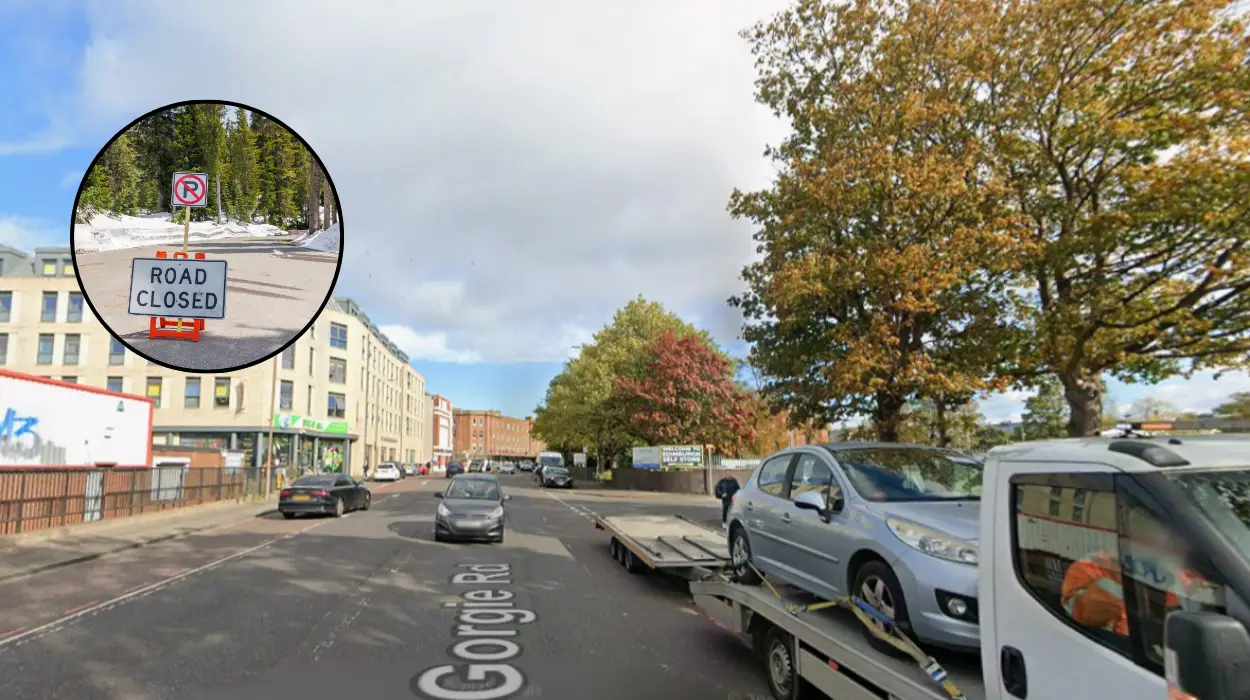
The closures stem from essential maintenance and safety works that have already caused significant headaches for commuters. In Tollcross, roadworks are projected to persist for four months, severing access to busy thoroughfares and forcing diversions for multiple bus services. Gorgie faces an even longer ordeal, with works slated to last six months, exacerbating congestion in these densely populated areas.
Duddingston Low Road, a vital route adjacent to the iconic Arthur’s Seat, has been off-limits to vehicles since rockfalls occurred early last year. According to reports from the Edinburgh News, this closure is likely to endure, with a planned 18-month project focused solely on enhancing public access on foot or by bike. A decision on reinstating vehicle traffic “has not yet been reached,” leaving motorists uncertain about long-term access.
These disruptions collectively threaten to transform everyday journeys into prolonged ordeals, particularly for those reliant on cars and buses in south and west Edinburgh.
Why Are These Roadworks Happening Now?
Local authorities have cited urgent infrastructure repairs and safety enhancements as the primary drivers behind the closures. In Tollcross and Gorgie, the works address longstanding wear on roads that carry heavy daily volumes of traffic, including commercial vehicles and public transport.
The rockfalls on Duddingston Low Road, as detailed in coverage by the Edinburgh News Scotsman team, prompted an immediate shutdown to prevent further hazards near the popular tourist spot. Engineers are assessing geological stability, with plans prioritising pedestrian and cyclist safety over vehicular use. This shift aligns with broader city efforts to promote sustainable transport amid Edinburgh’s growing population and tourism pressures.
How Will Bus Services Be Impacted?
Bus operators face substantial rerouting challenges, directly affecting thousands of passengers. Services traversing Tollcross and Gorgie will be diverted onto alternative paths, potentially adding 15-30 minutes to journeys during peak hours. Real-time updates from Lothian Buses indicate that routes such as the 10, 15, and 47 are among those affected, with temporary stops established at secondary locations.
In Duddingston, the prolonged closure means buses avoiding the Low Road entirely, funneling extra volume onto parallel streets like Old Dalkeith Road. Transport Scotland has urged passengers to check apps for live diversions, warning of knock-on delays citywide.
What Is the Timeline for These Disruptions?
Clarity on durations varies by site. Tollcross works commence imminently and span four months, targeting completion by late May 2026. Gorgie’s six-month timeline pushes resolution into July 2026, assuming no unforeseen delays from weather or supply issues.
Duddingston Low Road’s situation is more protracted: the current closure persists, with an 18-month public access project announcement “expected in due course.” As per the Edinburgh News report linked in initial coverage, this could extend vehicular bans indefinitely if safety assessments deem it necessary.
City council spokespersons emphasise that timelines are provisional, subject to on-site discoveries.
Who Is Most Affected by the Closures?
Commuters, delivery drivers, and emergency services bear the brunt. Residents in Tollcross and Gorgie report heightened frustration, with local businesses fearing lost custom due to access woes. Tourists heading to Arthur’s Seat via Duddingston face detours, impacting Edinburgh’s £2 billion annual visitor economy.
Parents shuttling children to school and elderly residents dependent on buses are particularly vulnerable. The Edinburgh Access Panel has called for better signage and shuttle provisions to mitigate isolation in affected neighbourhoods.
How Is the City Council Responding to Complaints?
Edinburgh City Council has launched a public information portal detailing diversions and phased reopenings. Spokeswoman Cllr Lesley Macinnes stated, as covered across local outlets, that “these essential works ensure safer roads for all users long-term.” Temporary traffic management includes signal adjustments and contraflow systems.
Critics, including local MP Joanna Cherry, argue for accelerated timelines, noting in parliamentary updates that “disruption of this scale demands greater mitigation funding.” The council promises weekly progress bulletins.
What Alternatives Are Available for Drivers?
Motorists are advised to use the City of Edinburgh Council’s interactive map for real-time routing. Park-and-ride options at Hermiston Gait and Newcraighall have expanded capacity, with trams and park buses promoted as greener alternatives. Cycling lanes remain unaffected, bolstering active travel pleas.
Apps like Waze and Google Maps integrate closure data, helping avoid bottlenecks. Heavy goods vehicles face weight restrictions on detours, per Transport Scotland guidelines.
Will These Closures Lead to Broader Traffic Chaos?
Initial signs point to gridlock spillover. Peak-hour queues on the A71 and A702 have lengthened by up to 40%, per AA traffic data. Gorgie’s proximity to Tynecastle Stadium amplifies risks during Hearts FC matches, prompting police roadblocks.
Duddingston’s ban funnels traffic towards Holyrood Park edges, straining narrow lanes. Experts warn of secondary congestion in Leith and Morningside if works overrun.
What Safety Measures Are in Place During Works?
Contractors deploy 24/7 monitoring, temporary lighting, and barriers at all sites. In Duddingston, geotechnical surveys precede the public access revamp, addressing rockfall recurrence. Tollcross and Gorgie feature speed ramps and warden patrols to enforce diversions.
The Health and Safety Executive oversees compliance, with no major incidents reported thus far.
How Does This Fit Edinburgh’s Transport Strategy?
These closures align with the City Mobility Plan 2030, favouring buses, bikes, and walking over cars. Duddingston’s pedestrian focus exemplifies “low-traffic neighbourhoods,” reducing emissions near green spaces. Critics decry the pace, but planners hail long-term gains in air quality and safety.
What Have Locals Said About the Disruptions?
Residents voice dismay. Tollcross shopkeeper Ahmed Khan told the Edinburgh Evening News, “Customers can’t reach us—sales are down 30%.” Gorgie mother Sarah McLeod added, “Bus diversions mean hour-long school runs.” Duddingston walkers praise access gains but lament car losses.
Hearts supporter groups petition for match-day exemptions.
Are There Plans to Reopen Duddingston Low Road to Vehicles?
Uncertainty reigns. The Edinburgh News reports that while an 18-month public-only project looms, vehicular reinstatement “has not yet been reached.” Geological risks near Arthur’s Seat tilt towards permanent closure, mirroring global trends in urban parks.
Consultations with Historic Environment Scotland continue.
What Economic Impact Might These Closures Have?
Small businesses anticipate revenue dips, with Gorgie’s retail strip vulnerable. Tourism operators reroute Arthur’s Seat tours, potentially denting visitor spend. A Federation of Small Businesses survey pegs daily losses at £50,000 citywide from similar past works.
Council mitigation includes business rates relief.
How Can Drivers Stay Informed?
Official channels include edinburgh.gov.uk/roadworks, Lothian Buses alerts, and Traffic Scotland feeds. Radio Forth broadcasts live updates, while neighbourhood WhatsApp groups proliferate informally.
What Lessons from Past Edinburgh Closures?
The 2023 tram extension chaos offers caution: overruns doubled costs and fury. Current works incorporate phased night shifts to minimise daytime pain, per council learnings.