Key Points
- Scottish Rugby Union founded on 3 March 1873 as Scottish Football Union by eight clubs including Glasgow Academicals and Edinburgh Academicals.
- SRU became founding member of International Rugby Board in 1886 alongside Ireland and Wales.
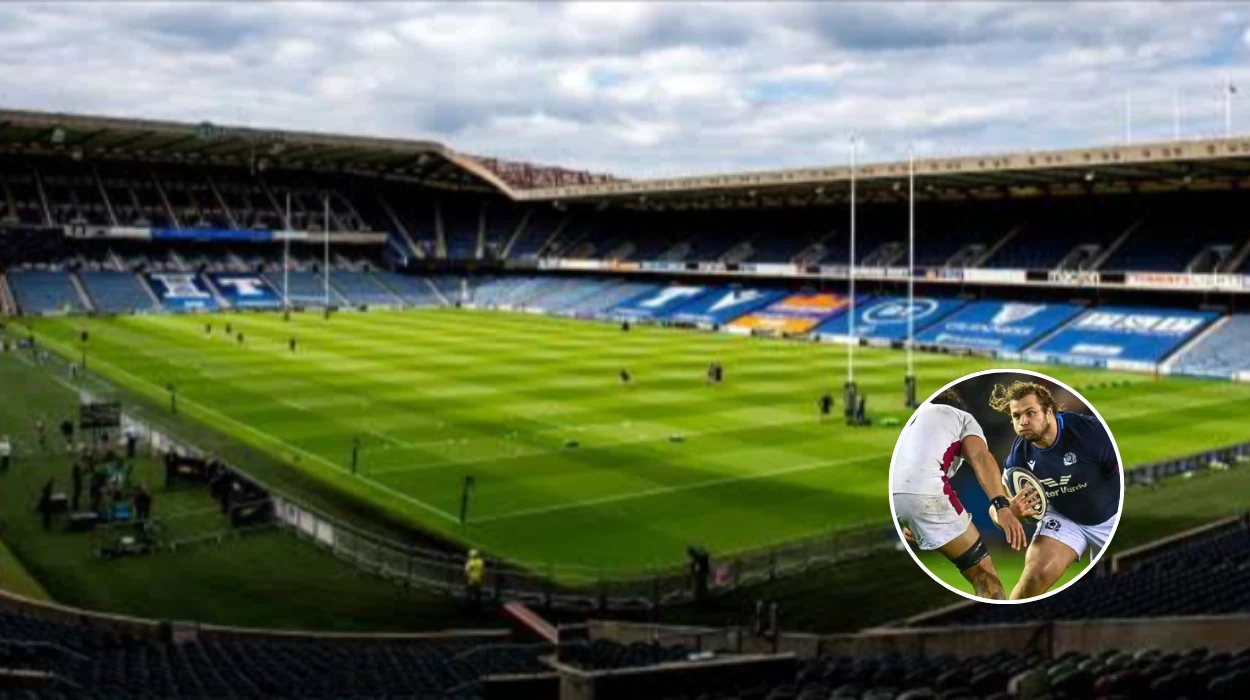
- Murrayfield Stadium opened in 1925 after land purchase and construction funded by debentures, replacing Inverleith as international venue.
- Raeburn Place recognised as birthplace of international rugby, home to oldest Scottish club Edinburgh Academicals.
- SRU maintained amateur status until professionalism adopted in 1995, with Murrayfield redeveloped in 1990s.
Edinburgh (Edinburgh Daily News) February 3, 2026 – Scottish rugby’s front row foundations trace back to the establishment of the Scottish Rugby Union in 1873, anchoring the sport’s development through key institutions and venues.
The Scottish Football Union, later renamed Scottish Rugby Union, emerged from a meeting at Glasgow Academy on 3 March 1873, represented by eight pioneering clubs such as Glasgow Academicals, Edinburgh Academical Football Club, West of Scotland FC, and universities of St Andrews, Edinburgh, and Glasgow. This body provided structure to a rapidly growing game, just two years after Scotland’s historic first international victory over England. According to Rugby Football History, the union upheld amateur principles for over a century until the shift to professionalism in 1995.
What marked the origins of Scottish rugby governance?
The Scottish Rugby Union holds the distinction as the second oldest national rugby organisation, founded amid the sport’s early evolution in Scotland. Representatives gathered to regulate play, ensure fair competition, and foster growth, as detailed in historical accounts from Scottish Rugby’s official resources and Wikipedia’s chronicle of rugby union in Scotland. The union’s formation addressed the need for unified rules amid emerging disagreements over amateurism versus professionalism.
As reported by Richard Bath of Scottish Field Magazine, Raeburn Place stands as the birthplace of international rugby, hosting the first match in Scotland between Edinburgh Academicals and Edinburgh University, alongside the inaugural Calcutta Cup game in 1879.
How did Scotland shape international rugby?
Scotland joined Ireland and Wales as a founding member of the International Rugby Board in 1886, with England following in 1890, laying groundwork for global standards. The nation co-launched the Home Nations Championship in 1883, now the Six Nations, and has competed in every Rugby World Cup since 1987, including co-hosting the 1991 tournament. Murrayfield Stadium, opened on 21 March 1925 after the SRU’s 1924 name change and debenture-funded build, became the national team’s enduring home following the final Inverleith international.
What role did Raeburn Place play in rugby history?
Raeburn Place, home to Edinburgh Academicals—the oldest rugby club in Scotland—hosted pivotal early events, including the first international game and women’s Rugby World Cup final in 1994. The Raeburn Place Foundation now advances a £4.75 million heritage project, including a museum backed by Scottish Rugby and World Rugby, to preserve this legacy and boost community engagement, according to scottishrugby.org.
What lies ahead for Scottish rugby’s foundations?
Ongoing developments at Murrayfield, redeveloped post-Taylor Report into a 67,500-seat all-seated venue, underscore the SRU’s commitment to modern standards while honouring history. Efforts like the Raeburn Place museum aim to inspire future generations and attract global visitors, linking Scotland’s pivotal role in rugby’s evolution to contemporary success in Six Nations and World Cups.
Scotland’s rugby heritage, from 1873 foundations to iconic stadia, continues to define the front row’s rigour and the sport’s global footprint.