Key Points
- Sight Scotland warns floating bus stops pose severe danger to people with sight loss, creating no-go areas in Edinburgh.
- Charity calls for halt to installations until safe for all users, citing life-threatening risks at locations like Fountainbridge.
- City of Edinburgh Council acknowledges concerns and promises to incorporate feedback into designs.
- Councillor Stephen Jenkinson defends measures under street design guidance, prioritising pedestrian safety.
- Past criticism over Leith Walk highlights ongoing issues with floating bus stops squeezing pedestrian space.
Edinburgh (Edinburgh Daily News) February 6, 2026 – Iain Whyte has urged the City of Edinburgh Council to recognise the dangers posed by floating bus stops to vulnerable pedestrians.
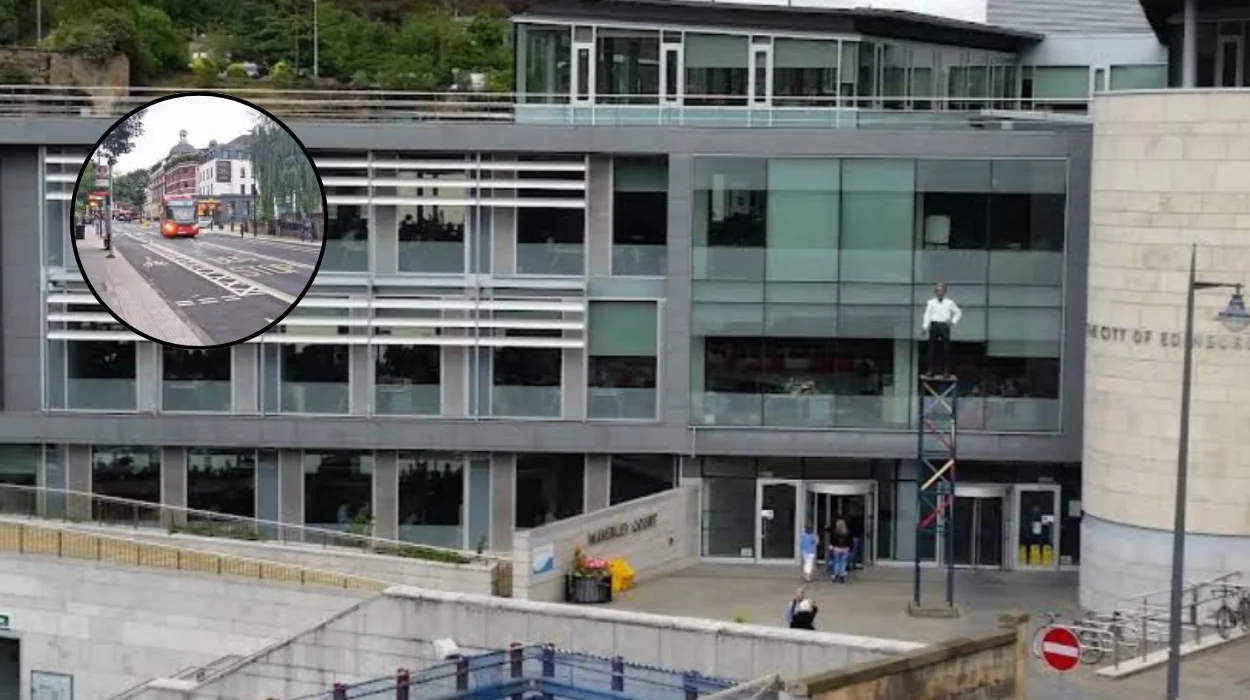
Sight Scotland, a charity supporting those with visual impairments, describes the designs as life-threatening, particularly for blind individuals navigating cycle tracks to board buses. Campaigners highlight how these stops turn city areas into no-go zones, with visual rehabilitation specialist Caroline Headley noting the alarming impact on public transport access.
What Are Floating Bus Stops and Why Are They Controversial?
Floating bus stops feature a cycle track intersecting the bus stop, requiring passengers to cross cyclist paths, a setup criticised for endangering pedestrians with disabilities. According to STV News, the charity’s policy and engagement manager Nicoletta Primo stated: “For people with visual impairments navigating these it’s quite frankly impossible, it’s life-threatening and dangerous.”
The council faces repeated backlash, as seen in Leith Walk where similar designs drew complaints for inadequate consideration of wheelchair users, hearing-impaired individuals and those with sight loss. Sight Scotland demands a pause until safety measures ensure accessibility for everyone.
How Has the Council Responded to These Safety Concerns?
A council spokesperson expressed gratitude for Sight Scotland’s input and committed to using it during design progression at sites like Fountainbridge, according to STV News reporting. Transport and Environment convener Councillor Stephen Jenkinson emphasised safety as a top priority under Edinburgh Street Design Guidance.
As reported by Iain Whyte of Edinburgh News, the council maintains evidence shows low cyclist-pedestrian conflict in areas like Leith, with well-designed stops fitting city needs while keeping pedestrians at the top of the transport hierarchy.
What Do Critics Say About Pedestrian Space?
Are Pavements Being Squeezed for Cycle Lanes?
Groups like Living Streets Edinburgh object to proposals such as Dundee Street, where pavements narrow below minimum standards to accommodate cycleways, including nine floating bus stops. The group warns this breaks promises to prioritise pedestrians and risks safety near schools like Boroughmuir and Tollcross.
What Happens Next for Edinburgh’s Street Designs?
The council plans to refine schemes with stakeholder feedback, aiming for safer streets, liveable neighbourhoods and better active travel links. Councillor Jenkinson outlined determination to balance all road users, supporting sustainable journeys amid city growth pressures.
Debate continues as charities push for redesigns, with the council defending its approach based on low-conflict data and ongoing consultations.