Duddingston, Edinburgh’s hidden historic village, offers a serene escape from the city’s bustle, nestled beside Holyrood Park with ancient landmarks and natural beauty. This evergreen guide explores its rich heritage, attractions, and timeless appeal for visitors and locals alike.
Duddingston’s Ancient Origins
Duddingston traces its roots to the 12th century, emerging as one of Edinburgh’s oldest villages amid the dramatic landscape of Arthur’s Seat and Holyrood Park. Lands here were first documented in a 1136 grant mentioning a settlement called Treverlen, a Celtic name hinting at early inhabitants drawn to the area’s fertile grounds and proximity to water. By the 12th century, Norman influences took hold when knight Dodin constructed the foundational structures on land gifted to Kelso Abbey by King David I of Scotland around 1124.
This era marked Duddingston’s transition from rural outpost to a spiritually significant site, with the village serving as a waypoint on ancient routes linking Holyrood Palace to Craigmillar Castle. Travelers sought respite here, fostering a community that blended agrarian life with ecclesiastical importance. Over centuries, the village evolved quietly, its isolation preserving medieval character even as Edinburgh expanded. In the 18th century, Duddingston thrived as a weaving hub with over 40 looms operating, underscoring its economic vitality before industrialization shifted focus elsewhere.
The name Duddingston itself derives from Dudding’s tun, or estate, reflecting Norman landowner Dodin’s legacy, a pattern common in Scotland’s feudal naming conventions. This historical layering positions Duddingston as a microcosm of Scotland’s turbulent past, from Celtic settlements to Norman conquests and Jacobite stirrings.
Iconic Duddingston Kirk
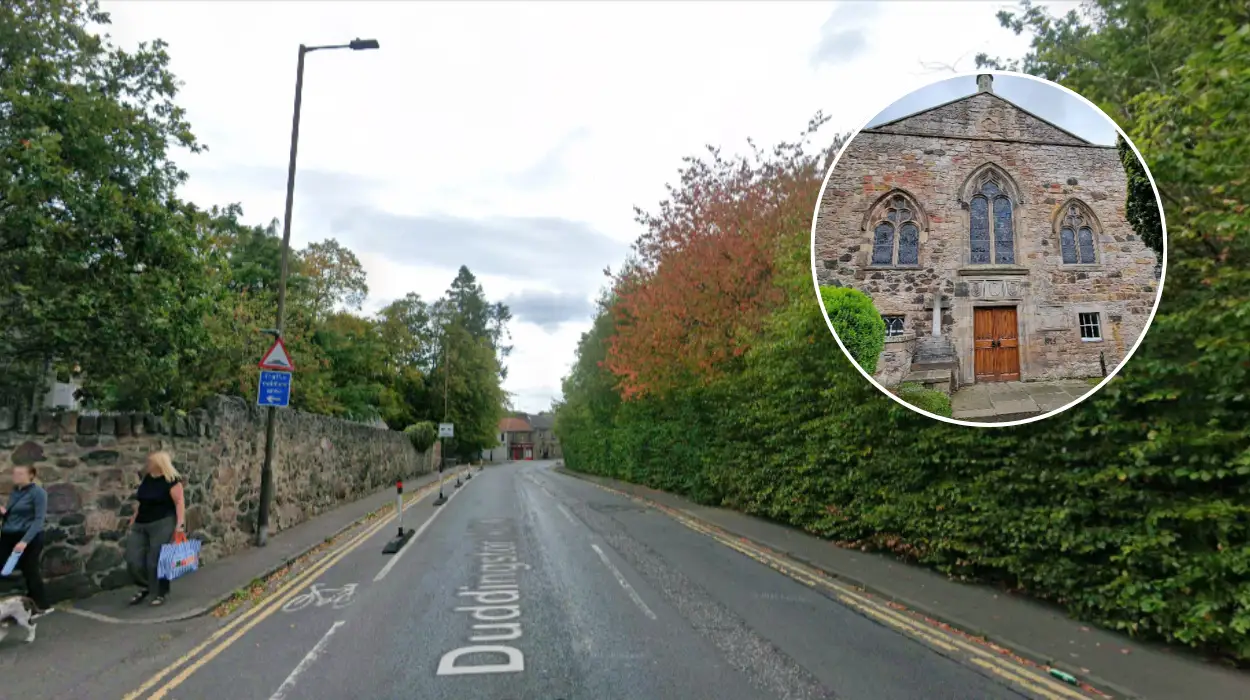
At the village’s heart stands Duddingston Kirk, a Parish Church of the Church of Scotland built circa 1124, exemplifying early Scoto-Norman architecture. The original structure featured a chancel, nave, and square tower aligned on a traditional east-west axis, with the south wall’s round-topped doorway showcasing intricate stone carvings that remain a highlight today.
Expansions came in 1631 with the Prestonfield Aisle, adding galleries, vaults, and burial spaces to accommodate a growing parish. Interior renovations in 1968 modernized the space by removing the pipe organ, yet preserved its historical essence. Notable figures like novelist Walter Scott were ordained elders here in 1806, drawn by the kirk’s prestige among Edinburgh’s artists and professionals. Ministers such as painter John Thomson (1805-1840) and James Macfarlane further enriched its cultural tapestry.
The kirkyard holds stories of its own, with burials including engineer Thomas Meik, Free Church Moderator Mackintosh MacKay, and a memorial to VC recipient William Dick-Cunyngham. Stained glass windows by Douglas Strachan honor figures like Joan Carfrae, wife of detective Allan Pinkerton, adding luminous artistry to the solemn grounds. Today, the kirk hosts regular services and Edinburgh Festival Fringe events, bridging medieval origins with contemporary vibrancy.
Natural Wonders of Duddingston Loch
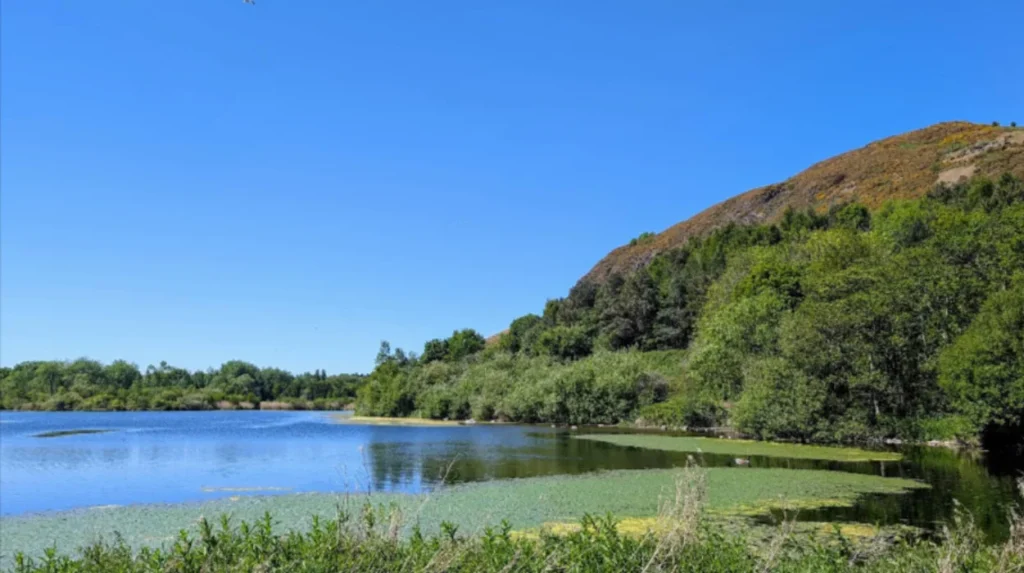
Duddingston Loch, Edinburgh’s sole natural freshwater loch, captivates with its reedbeds, woodlands, and wildlife, forming part of Holyrood Park’s ecological jewel. This Site of Special Scientific Interest supports breeding and wintering wildfowl, including great crested grebes, herons from a prominent heronry, and occasional kingfishers or otters gliding along winter shores.
The adjacent Scottish Wildlife Trust reserve at Bawsinch enhances biodiversity through mixed scrub, grassland, and reedbeds, accessible via key for guided exploration. Spring and winter visits reveal peak activity, with wildfowl flocks and heron nests visible from upper paths or Dr Neil’s Garden vantage points. The loch’s serene waters mirror Arthur’s Seat, offering photographers and nature enthusiasts a pristine backdrop year-round.
Historically, the loch influenced village life, providing resources and recreation amid the 18th-century weaving boom. Its protected status ensures enduring appeal, making it a vital green lung in urban Edinburgh. Visitors often pair loch walks with park hikes, immersing in a habitat that balances human history with untamed nature.
Dr Neil’s Garden Oasis
Overlooking Duddingston Loch, Dr Neil’s Garden stands as a meticulously crafted haven established in the 1960s by Drs Andrew and Nancy Neil to aid convalescent patients through therapeutic landscaping. This hidden gem features winding paths, diverse plantings from around the world, and stone features salvaged from Edinburgh’s past, creating an intimate woodland garden.
The garden’s upper section provides panoramic loch views, while lower areas blend conifers, heathers, and alpine plants suited to Scotland’s climate. It remains a labor of community love, maintained by volunteers since the Neils’ era, and entry is free with donations supporting upkeep. Its tranquil ambiance draws those seeking respite, with benches inviting reflection amid blooming rhododendrons and cascading streams.
As an evergreen attraction, Dr Neil’s embodies sustainable gardening principles, showcasing hardy species that thrive without intensive care. Paired with the kirk and loch, it forms a triptych of village serenity, appealing to horticulture fans and casual strollers alike.
The Legendary Sheep Heid Inn
No visit to Duddingston skips the Sheep Heid Inn, Scotland’s oldest pub with a license dating to 1360, predating many Edinburgh landmarks. Originally a traveler’s halt on the Holyrood-Craigmillar route, it allegedly hosted Mary, Queen of Scots for skittles games in its courtyard during the 16th century.
Housed in a 13th-century (or earlier) building, the inn retains low ceilings, flagstone floors, and a ram’s head emblem nodding to its sheep-related lore. Bonnie Prince Charlie convened a 1745 war council here before Prestonpans, cementing its Jacobite ties. Modern patrons enjoy award-winning ales, hearty Scottish fare like haggis, and cozy firesides, with the upstairs restaurant offering loch views.
Its enduring operation through plagues, wars, and reforms highlights resilient hospitality traditions. For history buffs, the inn’s walls whisper tales of royalty and rebels, making it a living museum alongside its culinary draw.
Duddingston Golf Club Legacy
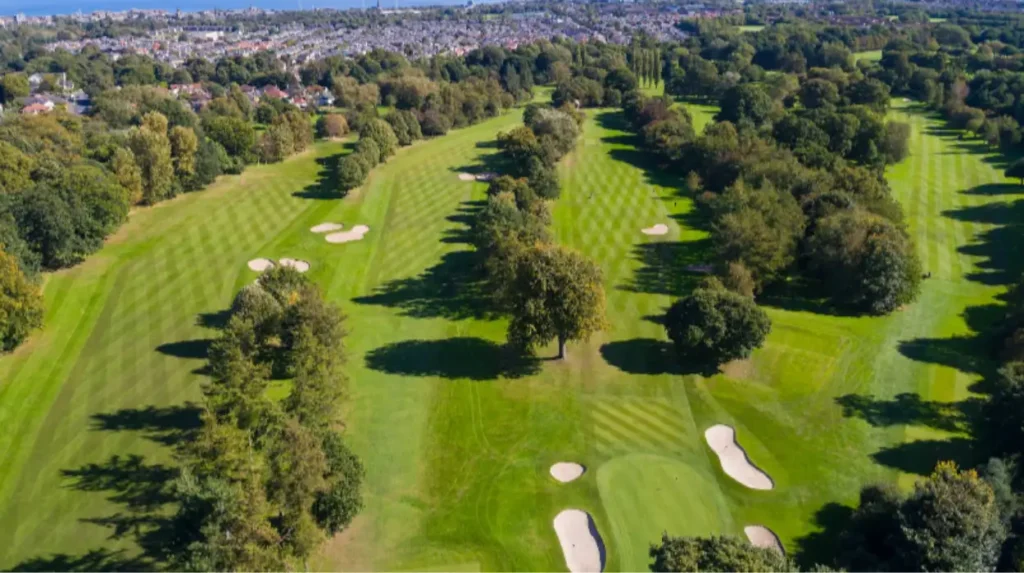
Perched at Arthur’s Seat’s foot since 1895, Duddingston Golf Club originated as the Insurance & Banking Golf Club from an Edinburgh trophy competition. Willie Park Jr., two-time Open Champion, designed its challenging layout weaving through Braid Burn and parkland, just three miles from the city center.
The course’s natural contours demand precision, with Arthur’s Seat looming as a scenic hazard. Exclusive yet storied, it hosts events blending sport with heritage, appealing to golfers seeking authentic Scottish links without coastal travel. Its longevity mirrors the village’s, where leisure pursuits have long complemented rural rhythms.
Village Life and Community Today
Duddingston maintains a close-knit feel within the Craigentinny/Duddingston ward, home to around 29,097 residents as of 2022, balanced between males and females with a mix of ages from young families to seniors. Predominantly Scottish-born, the area fosters community through church events, garden upkeep, and loch conservation efforts.
Modern life integrates seamlessly with history; residents commute to central Edinburgh while cherishing green spaces. The village’s insulation from tourism preserves authenticity, though rising interest in hidden gems brings gentle vitality. Local initiatives like wildlife monitoring at the loch underscore a commitment to sustainability, ensuring Duddingston’s timeless allure for future generations.
Why Duddingston Endures
Duddingston’s blend of 12th-century kirk, wildlife haven, ancient inn, and verdant gardens creates an evergreen retreat embodying Edinburgh’s layered soul. Unlike crowded Old Town trails, its paths invite unhurried discovery, rewarding explorers with royal echoes and natural splendor. Whether tracing Norman stones or spotting otters, the village offers profound connection to Scotland’s past and present.
Planning a visit? Wander from Holyrood Park’s edge, allowing hours for kirk contemplation, garden meanders, and pub luncheon. Public transport links ease access, making this gem ideal for day trips or quiet escapes. Duddingston proves Edinburgh’s magic lies beyond the map’s highlights, in pockets where history breathes freely.