Nestled on the southwestern fringes of Edinburgh, Juniper Green offers a perfect blend of historic charm and modern suburban living. This evergreen guide explores the village’s rich history, natural beauty, and community spirit, making it an ideal spot for residents and visitors alike.
- A Glimpse into Juniper Green’s Origins
- Geographical Setting and Natural Surroundings
- Architectural Heritage and Conservation Efforts
- Community Life and Modern Amenities
- Education and Family-Friendly Environment
- Outdoor Pursuits and Leisure Activities
- Transportation Links to Edinburgh and Beyond
- Notable Figures and Cultural Milestones
- Why Juniper Green Endures as an Edinburgh Gem
A Glimpse into Juniper Green’s Origins
Juniper Green’s story begins in the early 18th century, with its first recorded mention in the Kirk records of nearby Colinton in 1707. Known initially as Curriemuirend until the late 1700s, the area remained sparsely populated, as evidenced by maps from 1735 and 1766 that show no village structures. Development accelerated around 1810, transforming it into a recognizable settlement along Lanark Road, an elevated ridge overlooking the Water of Leith valley to the south.
The village’s economy thrived on industries tied to the river, particularly paper milling and snuff production, which powered local mills in the 19th century. The arrival of the Balerno railway line in 1874, complete with a dedicated station, boosted prosperity by connecting Juniper Green to Edinburgh and facilitating goods transport. Passenger services on this line made it a popular day-trip destination for city families seeking rural escapes, despite its proximity to the capital—just 5.5 miles southwest of the city center.
By 1920, Juniper Green and the broader Colinton Parish were formally absorbed into the City of Edinburgh, marking the end of its independent village status but preserving its distinct identity. The railway’s closure in 1955 distanced it somewhat from urban hustle, allowing the area to evolve into a peaceful dormitory suburb while retaining its historical core.
Geographical Setting and Natural Surroundings
Perched along the foothills of the Pentland Hills, Juniper Green bridges the Edinburgh City Bypass and enjoys stunning views across the Water of Leith to the south. This river not only shaped its industrial past but continues to define its scenic appeal, with walkways inviting strolls amid lush greenery and spring blooms. The village’s location, about seven miles west of Edinburgh’s center, places it in a sweet spot—close enough for city commutes yet immersed in countryside tranquility.
To the east lies Colinton, north is Baberton, and southwest is Currie, creating a network of interconnected communities. The Pentland Hills Regional Park, accessible nearby, offers hiking trails with panoramic vistas, from Bonaly Country Park’s rugged paths to higher summits perfect for outdoor enthusiasts. This elevated position shields residents from urban noise while providing easy access to Edinburgh’s green belt and areas of great landscape value.
The Water of Leith Walkway, extending from Colinton through Juniper Green, serves as a vital green corridor, supporting wildlife and recreational activities year-round. These natural features contribute to the village’s enduring appeal as a haven for nature lovers within Greater Edinburgh.
Architectural Heritage and Conservation Efforts
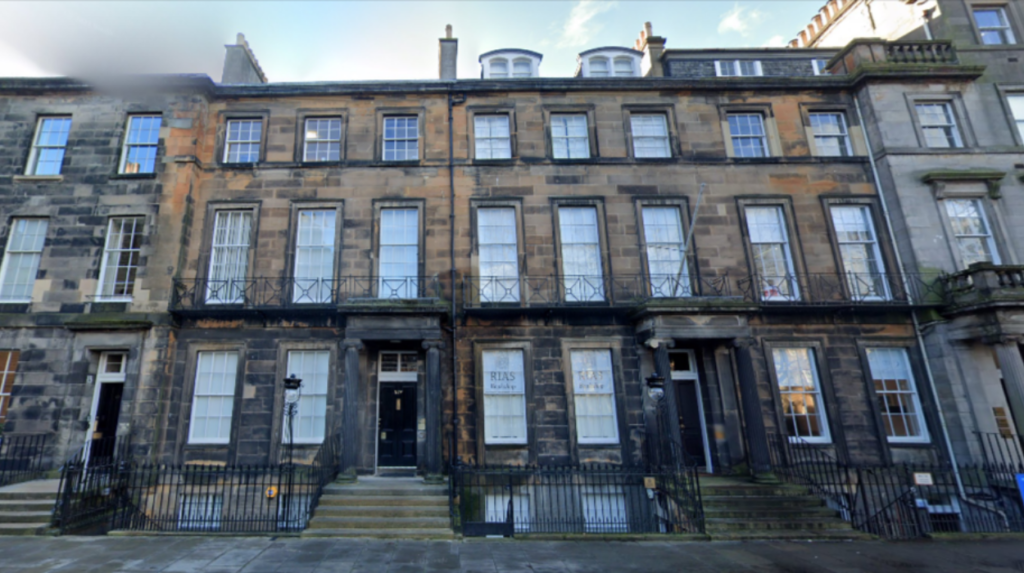
Juniper Green’s historic core centers on Lanark Road, where a mix of architectural styles from the 19th century evokes its village roots. Designated a conservation area on November 19, 1993—with boundaries extended in 2007—the zone protects around 920 residents’ homes and shops, emphasizing traditional builds that maintain a cohesive character. Structures like the 1879 Juniper Green Parish Church, designed by James Graham Fairley, stand as testaments to Victorian craftsmanship.
The conservation status mandates that developments “preserve or enhance” the area’s integrity, safeguarding features like defined shopping frontages and riverside settings against modern encroachment. Local plans highlight the village center as suitable for retail growth while upholding its heritage, blending seamlessly with the surrounding green belt. Only a handful of pre-1810 buildings survive, such as Gowanlea, underscoring the deliberate evolution from rural outpost to preserved suburb.
This commitment to heritage ensures Juniper Green remains a living museum of Edinburgh’s suburban expansion, where stone cottages and later Victorian homes line streets, offering a picturesque backdrop for daily life.
Community Life and Modern Amenities
Today, Juniper Green functions as a vibrant dormitory suburb, boasting essential shops along Lanark Road including a pharmacy, opticians, bike repair center, fish and chip shop, Indian restaurant, pub, and numerous hairdressers. These independents cater to daily needs, supplemented by larger options at Hermiston Gait Retail Park and in neighboring Colinton and Balerno.
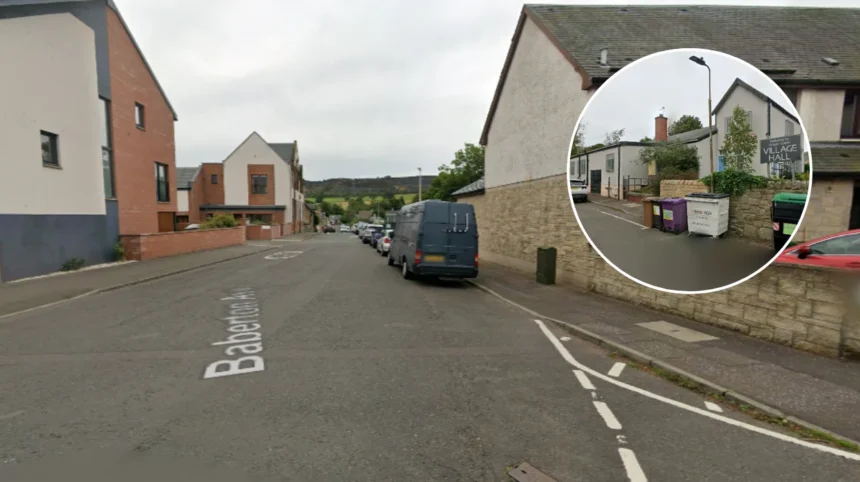
Community hubs like the Juniper Green Village Hall on Juniper Park Road provide spaces for events, with added features such as a community garden, sandpit, and swings. Leisure thrives through clubs for golf at nearby Baberton Golf Club, bowling, and tennis, fostering social bonds. The Edinburgh Pentlands Parish Church, formed in 2024 from the merger of local parishes, anchors spiritual life.
Local publications like C&B News, a volunteer-run magazine since 1976 covering Juniper Green alongside Currie and Balerno, keep residents informed on news, planning, and events—reaching its 500th issue in 2024. The Juniper Green Community Council, established in 2009, champions environmental projects and resident voices. In 2007, the village’s 300th anniversary spurred archiving of photos and stories via the Juniper Green Village Association, celebrating its enduring community spirit.
Education and Family-Friendly Environment
Families flock to Juniper Green for its strong schooling options. Juniper Green Primary School, a non-denominational institution at 20 Baberton Mains Wynd, emphasizes a vibrant curriculum built on seven principles including challenge, enjoyment, and personalization. The modern facility, replacing an earlier 1910 building, offers nursery through primary education with extracurricular sports, cultural activities, and field trips.
Secondary students attend Currie High School nearby, ensuring seamless progression. The school’s ethos prioritizes relevance, linking subjects to real-world contexts and providing choices to engage young minds. Proximity to leading private schools further enhances options for Edinburgh families.
This educational backbone, combined with safe play areas and family-oriented amenities, positions Juniper Green as a top choice for raising children in a supportive, low-key setting.
Outdoor Pursuits and Leisure Activities
Juniper Green’s location unlocks a wealth of outdoor recreation. Baberton Golf Club’s 18-hole parkland course, spanning 90 acres with year-round sand-based greens, draws players with its rolling terrain and clubhouse facilities. Walking and cycling along the Water of Leith from Colinton to Juniper Green reveal wildflowers, historic mills, and serene paths ideal for all ages.
The Pentlands beckon hikers from Bonaly Country Park, offering stunning Edinburgh views and trails through woodland trust lands. Bowling and tennis clubs provide casual sports, while Curriemuirend Park adds green space for picnics and play. These pursuits highlight the village’s seamless integration of urban access and rural escapes.
Transportation Links to Edinburgh and Beyond
Connectivity defines Juniper Green’s appeal. The A70 Lanark Road slices through, with Lothian Buses’ 44, 45, and 44N routes linking to Edinburgh city center efficiently. Additional services include the 33 via Baberton Mains, N44 night bus, and Blue Bus 24 to Livingston.
Proximity to the City Bypass, M8, and M9 motorways facilitates swift commutes, while the former railway site’s legacy underscores improved road and bus infrastructure. Residents enjoy hassle-free travel to work, airports, and attractions, balancing suburban peace with city vibrancy.
Notable Figures and Cultural Milestones
Juniper Green has hosted luminaries shaping history and culture. Thomas Carlyle and Jane Welsh Carlyle rented Mount Pleasant at 502 Lanark Road in the 19th century. Surgical pioneer Michael Woodruff performed the UK’s first kidney transplant and resided here. Artist Edwin G. Lucas and policeman Willie Merrilees added to its roster, alongside architect James Murray and academic Berrick Saul.
A poignant cultural landmark is the War Poets’ Corner plaque at Baberton Golf Club, unveiled to commemorate a 1917 meeting of Wilfred Owen, Siegfried Sassoon, and Robert Graves—site of influences on Owen’s “Dulce et Decorum Est.” This ties Juniper Green to literary history, enhancing its cultural tapestry.
Why Juniper Green Endures as an Edinburgh Gem
Juniper Green’s evolution from mill village to conserved suburb exemplifies sustainable growth. With a community council population around 4,023 in mid-2022 estimates for the broader area, it maintains a tight-knit feel amid Edinburgh’s expansion. Housing like riverside developments at Woodhall Millbrae appeals to modern buyers seeking balconies and en-suites.
Its blend of history, nature, amenities, and access ensures lasting popularity. Whether hiking Pentland trails, shopping local, or tracing literary footsteps, Juniper Green invites exploration as Edinburgh’s hidden evergreen treasure—timeless, accessible, and full of life.