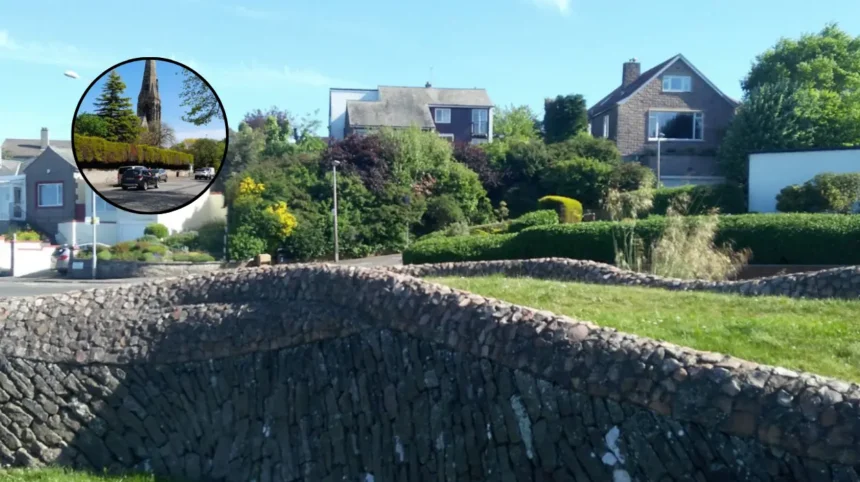
Portobello Edinburgh stands as a vibrant coastal suburb just three miles east of the city center, offering a perfect blend of sandy beaches, historic charm, and modern seaside living. Known affectionately as “Porty” to locals, this area captivates visitors with its two-mile stretch of golden sands along the Firth of Forth, making it an enduring favorite for relaxation and exploration. Nestled between Joppa and Craigentinny, Portobello has evolved from a smugglers’ hideout into a beloved residential haven that embodies Edinburgh’s seaside soul.
- Origins and Early History of Portobello Edinburgh
- Rise as a Victorian Seaside Resort in Edinburgh
- Iconic Landmarks and Architecture
- The Legendary Portobello Beach Experience
- Vibrant Culture Events and Community Life
- Shopping Dining and Daily Delights
- Getting to Portobello and Practical Access
- Where to Stay in Portobello Edinburgh
- Famous Residents and Hidden Tales
- Portobello’s Future and Enduring Legacy
Origins and Early History of Portobello Edinburgh
The story of Portobello Edinburgh begins long before its fame as a beach destination, rooted in the wild landscapes of Figgate Muir, a moorland traversed by the Figgate Burn flowing from Duddingston Loch to the Firth of Forth. This area served as pasture for Holyrood Abbey’s monks, with “Figgate” likely deriving from an old term meaning “cow road,” akin to Edinburgh’s Cowgate, rather than a literal cow’s ditch. By the 17th century, it gained notoriety as a haunt for sailors, smugglers, and even highwaymen, with whispers of a secret 1650 meeting between Oliver Cromwell and Scottish leaders adding intrigue to its early lore.
The suburb’s name emerged in the 18th century from a sailor’s cottage built in 1742 by George Hamilton, a Royal Navy veteran who fought under Admiral Edward Vernon at the Battle of Porto Bello in 1739. Hamilton dubbed his home “Portobello Hut” to commemorate the victory, and by 1753, more houses dotted the landscape around what is now the High Street near Brighton Place. This modest beginning sparked growth, especially after William Jameson purchased the Figgate Whins lands in 1763, discovering valuable clay that fueled brick, tile, and pottery industries, transforming the village into a thriving community.
Rise as a Victorian Seaside Resort in Edinburgh
Portobello Edinburgh’s transformation into a premier bathing resort accelerated in the late 18th and early 19th centuries, drawing health seekers to its stone-free sands and clear waters. An 1795 advertisement in the Edinburgh Evening Courant promoted bathing machines with steady horses and careful drivers, highlighting the beach’s appeal as a serene retreat. By 1806, saltwater baths opened at the foot of Bath Street and Regent Street, costing £5,000, while the Edinburgh Light Horse drilled on the sands, with Walter Scott serving as quartermaster and even finishing “The Lay of the Last Minstrel” there after a riding mishap in 1802.
King George IV’s 1822 visit, orchestrated by Scott, featured a grand military review on the beach, cementing Portobello’s status as a holiday hotspot for Edinburgh and Glasgow day-trippers. Public access, initially restricted by private landowners, became a hard-fought right after Sir William Rae’s legal battle reached the House of Lords in 1849, forcing wall demolitions and paving the way for the two-mile Promenade constructed in the 1860s. Incorporated as a burgh in 1833 and into Edinburgh in 1896 via the Edinburgh Extension Act, Portobello boomed with industries like brick-making—famous “Portobello bricks”—glass, pottery, and salt from nearby Joppa.
Iconic Landmarks and Architecture
Portobello Edinburgh’s architectural heritage shines through its conservation area, blending Georgian elegance with Victorian seaside flair. The Promenade, built from 1864, stretches two miles along the beach, offering panoramic Firth of Forth views and hosting generations of strollers. Portobello Swim Centre, opened as baths in 1901, preserves one of Scotland’s three remaining public Turkish baths, providing a heated contrast to the often brisk sea swims.
The short-lived Portobello Pier, Scotland’s first at 1,250 feet, opened in 1871 near Bath Street but rusted away by World War I, demolished in 1917 after proving uneconomical. Portobello Town Hall, designed by James A. Williamson in 1914 on the site of Inverey House, endured closure in 2019 due to masonry issues but reopened in 2023 under community group Portobello Central on a nominal £1 yearly lease, backed by £350,000 in Scottish Government funding. St John the Evangelist RC Church and the repurposed Bellfield Parish Church, now a community centre acquired via Scotland’s first urban Community Right to Buy in 2017, underscore the area’s resilient spirit.
The Legendary Portobello Beach Experience
At the heart of Portobello Edinburgh lies its award-winning two-mile sandy beach, a Seaside Award holder that draws sunbathers, swimmers, and families year-round. Perfect for dips even in cooler months, the beach hosts wild swimmers from the local club since 2010, with SEPA rating the water “sufficient” quality in 2019 amid dolphin and swordfish sightings. The Promenade buzzes with ice cream parlours, cafes, and arcades like the enduring Tower Amusements, evoking nostalgic seaside vibes.
Victorian and Edwardian eras saw the addition of open-air pools heated by a now-demolished 1923 power station, lifeguarded by a young Sean Connery, and a funfair that operated until 2007. Today, beach volleyball—including Olympic qualifiers—triathlons, and the annual Big Beach Busk keep the sands alive, while parkruns in nearby Figgate Park add a fitness twist. Whether building sandcastles or watching sunsets over the Forth, Portobello Beach offers timeless coastal bliss just minutes from urban Edinburgh.
Vibrant Culture Events and Community Life
Portobello Edinburgh pulses with community-driven events that celebrate its seaside identity. The Porty Festival over May Bank Holiday weekend transforms the Promenade into a hub of live music, arts, food markets, street entertainment, and family activities, emphasizing local talent and beach vibes. Art Walk Porty showcases local artists annually, while the Portobello Book Festival at The Portobello Bookshop features author events amid extensive stock.
Music echoes from punk bands like The Valves in the 1970s to modern busks, and sports thrive with Portobello RFC, sailing clubs like Rowporty, and races such as the summer Beach Race and New Year’s Promathon. Community gardens, a monthly food market, and youth theatre foster tight-knit bonds, earning Portobello the UK’s best neighbourhood title at the 2020 Urbanism Awards and a top Scottish living spot in 2021 Sunday Times rankings. This cultural vibrancy ensures Portobello remains a living, breathing extension of Edinburgh’s creative scene.
Shopping Dining and Daily Delights
Portobello Edinburgh’s High Street brims with independent charm, blending high-street staples with unique boutiques for everyday treasures. The Portobello Bookshop invites browsers to linger with its modern space and event lineup, while The ‘Wild’ Flower Shop offers seasonal bouquets with local delivery. Art lovers flock to The Velvet Easel for contemporary masterpieces that inspire impulse buys.
Dining shines seaside-style, with beachfront cafes and bars serving fresh fare amid Forth views—think fish and chips, ice creams, and relaxed pub grub. Weekly markets tempt with local produce, complementing eateries that cater to families and foodies alike. This mix of shopping and sustenance makes Portobello a delightful day-out hub, where serendipitous finds enhance the coastal escape.
Getting to Portobello and Practical Access
Reaching Portobello Edinburgh is seamless, enhancing its appeal as an easy urban beach getaway. Lothian Buses offer eleven routes from the city center, linking to Joppa, Musselburgh, Fort Kinnaird, and beyond, with trams replaced by diesel in 1956. Trains once served via Portobello station until 1964 Beeching cuts, but buses from Portobello Town Hall to Waterloo Place take just 27 minutes affordably.
Taxis cover the 3.3 miles quickest in 8 minutes, ideal for families with gear. Cyclists and walkers enjoy coastal paths, while drivers navigate Sir Harry Lauder Road bypass. Ample parking hugs the Promenade, making access effortless for spontaneous visits. This connectivity keeps Portobello intimately tied to Edinburgh while feeling worlds away.
Where to Stay in Portobello Edinburgh
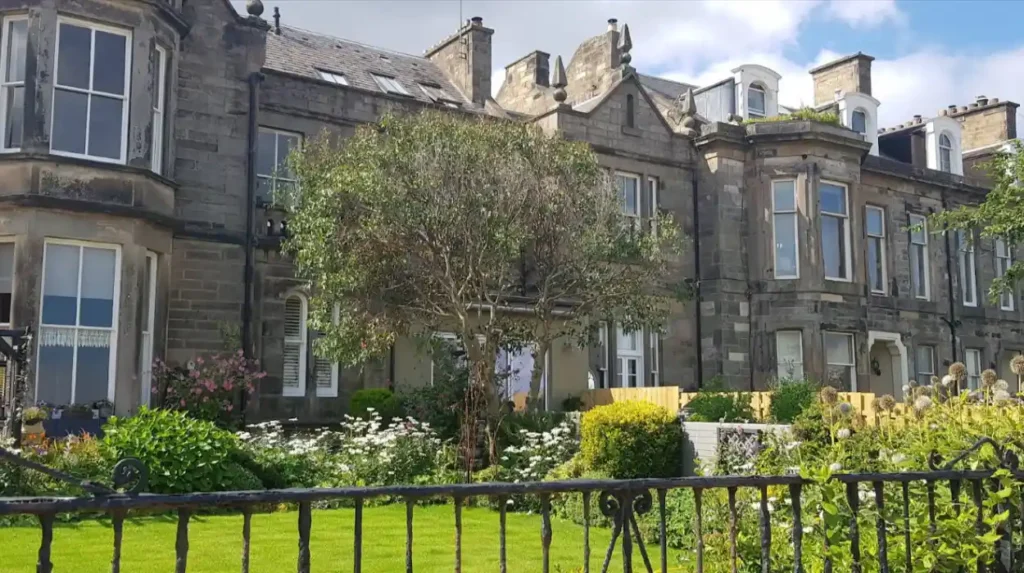
Portobello Edinburgh excels in accommodation blending seaside nostalgia with comfort. Victorian townhouses like the Seafront Victorian Townhouse with Private Garden offer period elegance and gardens overlooking the beach. Apartments such as Edinburgh Seaside Apartment provide modern self-catering with Forth views, perfect for families.
Guesthouses like Straven Guesthouse deliver cozy B&B vibes near the High Street, praised for location and hospitality. From budget-friendly spots to upscale retreats, stays immerse guests in Porty’s rhythm, with many properties walking distance to the beach and amenities. Booking early captures peak-season seaside stays.
Famous Residents and Hidden Tales
Portobello Edinburgh has nurtured luminaries across fields, from Harry Lauder, the music hall star born at 3 Bridge Street in 1870—honored by Sir Harry Lauder Road and a memorial garden—to geologist Hugh Miller and lighthouse engineer Alan Stevenson. Swimmer Ned Barnie, the first Scot to conquer the English Channel in 1950, and actors like Ewen Bremner, Gail Porter, and Shauna Macdonald hail from here, alongside suffragette Marion Grieve.
Tragic tales include Joseph McLuskie, Britain’s first WWII civilian air raid victim in 1939 at 45 Abercorn Terrace, and the 1983 abduction of Caroline Hogg from the Promenade. These stories weave a rich human tapestry, from triumphs to poignant moments, defining Portobello’s character.
Portobello’s Future and Enduring Legacy
Looking ahead, Portobello Edinburgh embraces regeneration through City Plan 2030, with community councils advocating place briefs for sites like Seafield to balance housing, recreation, and heritage. Emphasis on brownfield development, community engagement, and preserving the conservation area’s Georgian-Victorian essence ensures sustainable growth.
From its smugglers’ origins to Victorian heyday and modern resurgence, Portobello remains Edinburgh’s timeless coastal jewel, voted among Scotland’s best places to live. Its beach, culture, and community spirit promise enduring appeal for generations, inviting all to discover why Porty captures hearts. Whether for a day trip or forever home, Portobello Edinburgh delivers seaside magic amid Scotland’s capital buzz.