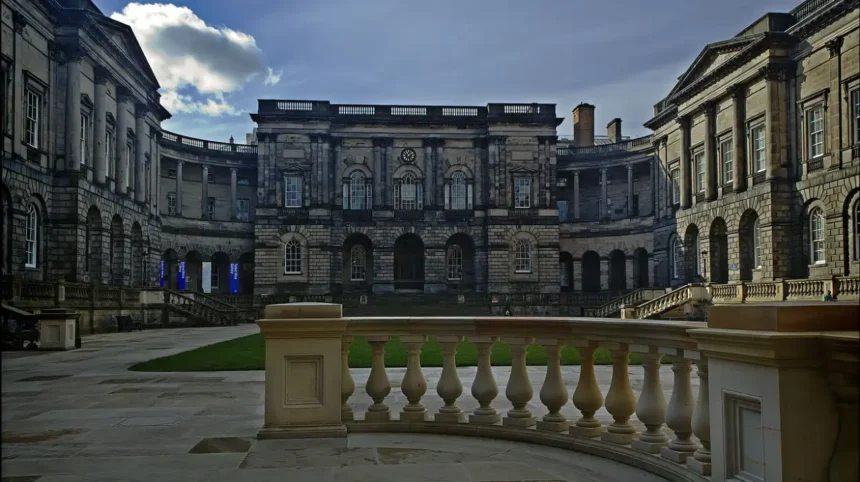
The Edinburgh school infrastructure consists of a dual system dividing educational delivery between state-funded institutions managed by the local government authority and independent private institutions funded through tuition fees. The City of Edinburgh Council oversees all public primary, secondary, and special sector education, ensuring adherence to national Scottish academic guidelines and legal standards. Independent institutions operate outside direct local authority control but maintain compliance with national registration, inspection, and child protection regulations.
- How Does the Historical Evolution Form Modern Education in Edinburgh?
- What is the Curriculum for Excellence National Framework?
- What Forms of Primary Education Exist Within the Capital?
- How Do State Secondary Schools Prepare Students for Qualifications?
- What Independent Boarding and Day Options Define Private Education?
- How Does the Catchment Area Allocation System Function Legally?
- What Specialized and Alternative Educational Provisions are Operational?
- What Do Performance Indicators Reveal About Regional Outcomes?
- FAQs About Edinburgh School
- How do I apply for a placement request if I live outside an Edinburgh school’s catchment area?
- What is the main difference between the Curriculum for Excellence and the English national curriculum?
- Are there any fully funded or subsidized places available at independent schools in Edinburgh?
- How does the City of Edinburgh Council determine which state secondary school a child will attend?
- Which qualifications do students take in Edinburgh secondary schools to get into university?
The system serves diverse student demographics across distinct geographical boundaries within the urban zone and surrounding Midlothian municipalities. Educational pathways strictly follow specific age parameters, beginning with early years provisions before transitioning to primary education at age five. Secondary education accommodates students from age eleven to eighteen, offering standardized academic progression pathways. Special education institutions provide dedicated structural resources for students requiring specific physical, behavioral, or learning support frameworks.
The public sector relies heavily on geographic zones known as catchment areas to determine student placement criteria. Families residing within a designated boundary receive priority placement at the corresponding neighborhood institution to manage local population density. The independent sector utilizes selective entry assessments, interviews, and financial fees to manage student admissions independent of residential location. Both sectors must undergo rigorous structural evaluations conducted by His Majesty’s Inspectors of Education to verify performance safety.
How Does the Historical Evolution Form Modern Education in Edinburgh?
The historical foundation of the Edinburgh school framework originated during the medieval period when religious institutions established the earliest structured learning centers. The transformation accelerated significantly following the Education Act 1696, which mandated the establishment of a well-funded school in every Scottish parish. This legislation established early literacy standards, positioning the capital city as a central hub for educational development during the Scottish Enlightenment. Industrial expansion during the nineteenth century necessitated further structural modernization, leading to the landmark Education (Scotland) Act 1872.
The 1872 legislation transferred administrative management from church authorities to elected local school boards, introducing compulsory education for children aged five to thirteen. During this period, wealthy merchants established substantial charitable foundations, giving rise to unique merchant company schools that remain prominent today. Institutions such as George Heriot’s School, founded in 1628, transformed from hospitals for orphans into traditional academic foundations. Similarly, the royal charters granted to institutions like The Royal High School established long-term educational continuity across multiple centuries.
The mid-twentieth century introduced comprehensive state secondary education, eliminating selective entrance tracking for public institutions to ensure uniform regional access. The Education (Scotland) Act 1980 codified modern statutory duties, ensuring free school education for all school-age residents within the administrative boundary. The integration of traditional classical curricula with technical modern subjects reflected the changing economic demands of the workforce in eastern Scotland. This historical trajectory created a contemporary landscape where centuries-old private traditions operate alongside highly regulated comprehensive state institutions.
What is the Curriculum for Excellence National Framework?
The Curriculum for Excellence is the national educational framework implemented across all state-funded and numerous independent institutions throughout the Edinburgh school network. This structural framework replaces traditional rote learning with a holistic methodology designed to develop four essential learner capacities. The specific capacities focus on creating successful learners, confident individuals, responsible citizens, and effective contributors across all subject fields. Implementation begins in early nursery environments and extends systematically through secondary senior phase examinations.
The curriculum divides structurally into two distinct phases known as the broad general education phase and the senior phase. The broad general education phase spans from nursery entry until the conclusion of the third year of secondary education. Students engage with eight distinct curricular areas including literacy, numeracy, sciences, technologies, social studies, expressive arts, health, and religious education. This breadth ensures balanced cognitive development and contextual knowledge application before students choose specialized examination pathways.
The senior phase encompasses the fourth, fifth, and sixth years of secondary schooling, focusing on formal qualifications graded by the Scottish Qualifications Authority. Students undertake standardized National 5 qualifications before progressing toward higher-level academic certifications required for university entry. The Highers and Advanced Highers qualifications serve as the primary metrics for assessing student academic achievement within this senior phase. This curricular structure prioritizes interdisciplinary learning, continuous internal assessment, and practical skill development tailored to shifting economic realities.
What Forms of Primary Education Exist Within the Capital?
Primary education within the city of Edinburgh consists of state-administered non-denominational institutions, denominational public entities, and independent preparatory options. The state-funded sector includes numerous community operations such as Sciennes Primary School, Bruntsfield Primary School, and Flora Stevenson Primary School. These institutions deliver foundational education across seven distinct year groups designated as Primary 1 through Primary 7. The student population remains bound by regional catchment regulations, ensuring localized peer groups within specific urban neighborhoods.
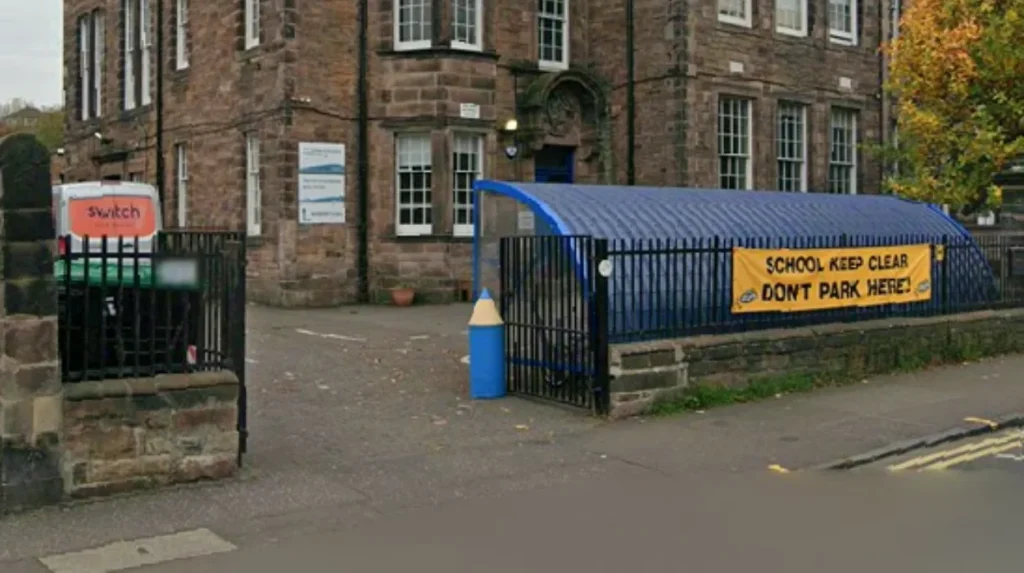
Denominational state education consists primarily of Roman Catholic primary facilities operating under identical local authority financing and national curricular obligations. Examples include St Peter’s RC Primary School and St Mary’s RC Primary School, which integrate religious instruction into standard daily frameworks. The City of Edinburgh Council provides free transport options for denominational students residing outside standard walking distances from these facilities. This structural provision ensures statutory compliance with historical religious education acts governing Scottish public sector school infrastructure.
Independent preparatory education options provide alternative non-state pathways, often operating as standalone entities or junior departments within larger senior colleges. Facilities like Cargilfield Preparatory School and the ESMS Junior School offer small class sizes, extended hours, and specialized sports coaching. These fee-paying operations do not depend on municipal catchment boundaries, drawing student enrollments from across eastern Scotland and international locations. They utilize independent testing criteria to evaluate developmental milestones before transition to secondary school environments occurs.
How Do State Secondary Schools Prepare Students for Qualifications?
State secondary institutions prepare students for national qualifications using structured academic stages designated as secondary year 1 through secondary year 6. Prominent regional institutions providing this comprehensive secondary framework include Boroughmuir High School, James Gillespie’s High School, and The Royal High School. The academic journey begins with a common foundational curriculum during years S1 through S3 to ensure core literacy proficiency. Specialized tracking commences officially at the start of the S4 academic year based on student performance.
During the S4 year, students typically select up to eight distinct subjects to sit for the standardized National 5 examination suite. These assessments utilize a combination of coursework portfolios, practical assignments, and formal end-of-year written examinations administered under strict national conditions. Successful completion allows students to advance into the S5 year, where they select four or five deeper Higher qualifications. The Higher qualification represents the standard benchmark metric utilized by corporate entities and domestic universities for general admission processing.
The final S6 year allows advanced students to undertake Advanced Higher qualifications, mirroring first-year undergraduate university course structures. Institutions collaborate regionally through neighborhood school hubs to offer less common subjects, maximizing resource efficiency across the municipal boundary. Continuous career guidance and technical modules run alongside academic subjects to prepare non-university candidates for modern apprenticeship pathways. This comprehensive structural approach ensures that public secondary institutions maintain robust qualification output metrics year over year.
What Independent Boarding and Day Options Define Private Education?
The independent sector in Edinburgh features several elite day and boarding institutions renowned globally for historical architecture and high academic results. Fettes College and Merchiston Castle School provide extensive boarding provisions, housing students within self-contained campus environments containing dedicated residential facilities. These institutions utilize traditional house systems to deliver pastoral care, extracurricular sports schedules, and structured evening study frameworks. The student body comprises local day pupils alongside a significant percentage of international boarding students.
Co-educational day institutions represent a large segment of the private sector, offering alternative educational delivery models without residential requirements. George Watson’s College and The Edinburgh Academy operate extensive urban campuses catering to thousands of pupils from nursery age through senior graduation. These schools offer alternative curriculum pathways, with some institutions preparing students for English General Certificate of Secondary Education options. The financial cost requires parents to pay termly fees, though institutions provide means-tested bursary funding to diversify enrollment.
Single-sex private education remains an active structural choice within the capital, providing tailored learning environments for specific student demographics. St George’s School provides education exclusively for female pupils, structuring its academic and physical facilities around female developmental timelines. The Mary Erskine School and Stewart’s Melville College operate a coordinated diamond model where boys and girls learn separately before merging at sixth-form. These distinct structural variations offer parents extensive choice regarding social environment, pedagogical focus, and physical campus styles.
How Does the Catchment Area Allocation System Function Legally?
The catchment area system functions as the primary legal mechanism governing student placement within the City of Edinburgh Council state sector. Every residential property within the municipal boundary maps directly to one specific non-denominational primary school and one secondary school. Properties also map to designated Roman Catholic denominational institutions, creating dual placement options based on religious affiliation choices. The local authority publishes definitive geographic GIS maps detailing these boundary lines, which remain subject to modification based on population growth.
Parents possess a statutory right under the Education (Scotland) Act 1980 to submit a placing request for an alternative school. The local council must grant this request unless specific statutory grounds for refusal apply to the chosen facility. Valid grounds for refusal include the institution reaching maximum physical capacity, requiring additional staffing expenditures, or disrupting the educational order. If requests exceed remaining available spaces, the council implements a strict priority hierarchy favoring children with specific medical needs.
When a placing request undergoes official council refusal, parents retain the legal right to appeal before an independent statutory committee. This appeals panel evaluates whether the local authority applied the refusal criteria correctly without procedural unfairness or administrative error. The legal framework ensures transparency but means that housing markets within high-ranking school catchments experience significant inflation. Consequently, the placement mechanism directly impacts urban development, population distribution, and residential property valuation across metropolitan zones.
What Specialized and Alternative Educational Provisions are Operational?
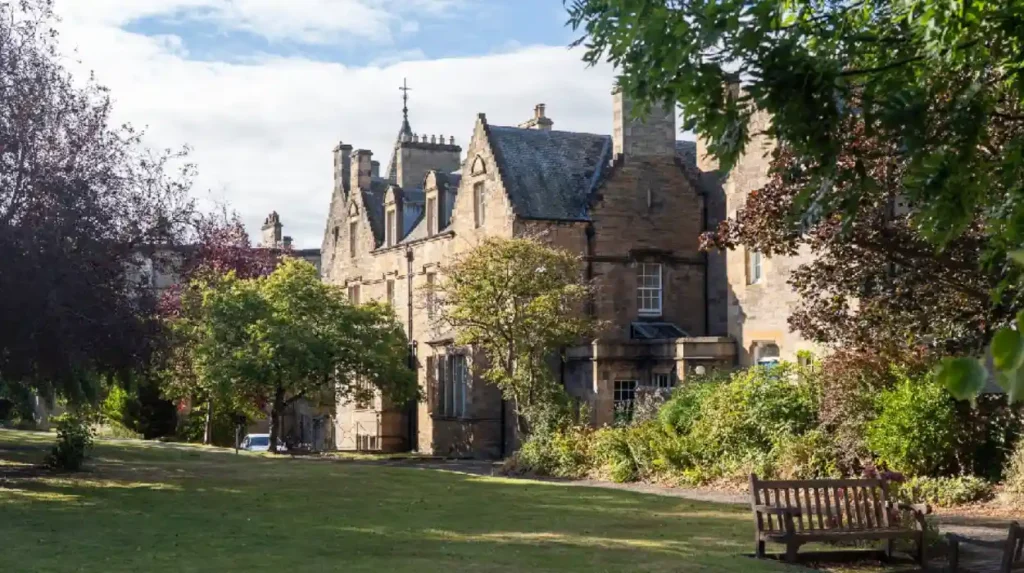
The Edinburgh school system incorporates specialized provisions designed for students possessing specific creative talents or profound long-term learning difficulties. St Mary’s Music School operates as a specialist institution providing intensive musical training alongside standard academic subjects for gifted children. The Scottish Government provides direct financial assistance to domestic pupils through the Aided Places Scheme to cover tuition costs. Entry requires rigorous practical auditions, drawing elite young musicians from diverse international backgrounds into the city center campus.
Alternative pedagogical philosophies manifest through dedicated institutions such as the Edinburgh Steiner School, which follows the global Waldorf curriculum models. This institution emphasizes holistic developmental stages, delaying formal reading tracking and avoiding traditional early testing metrics used in mainstream schools. The curriculum prioritizes experiential handwork, artistic expression, and environmental engagement within a cooperative, non-competitive learning structure. This facility operates independently of state funding, relying on private tuition fees and community fundraising to maintain its operations.
The state sector maintains dedicated special schools, including Kaimes School and Braidburn School, to support pupils with complex additional needs. These facilities feature low staff-to-student ratios, specialized hydrotherapy pools, sensory rooms, and integrated speech therapy and medical teams. The local authority determines placement through a formal Co-ordinated Support Plan process assessing specific cognitive or physical challenges. This framework ensures that vulnerable student populations receive statutory educational access tailored precisely to individual functional capacities.
What Do Performance Indicators Reveal About Regional Outcomes?
Performance indicators derived from Scottish Government statistical datasets reveal distinct patterns regarding qualification attainment and positive post-school destinations. State secondary institutions located within affluent geographic catchments consistently secure top rankings within national qualification league tables year after year. Schools such as Boroughmuir High School and James Gillespie’s High School record high percentages of pupils achieving five or more Highers. These metrics match or exceed the academic performance output of several prominent fee-paying independent colleges.
Socioeconomic factors continue to influence attainment metrics across the public sector, prompting targeted government intervention through specific equity funding. The Scottish Attainment Challenge delivers direct financial resources to schools serving communities characterized by high levels of multiple deprivation indicators. Headteachers utilize these specific funds to hire literacy specialists, deploy digital devices, and implement targeted homework tracking programs. These interventions aim specifically to narrow the statistical achievement gap existing between different socioeconomic student cohorts across the city.
The ultimate measure of systemic success relies on positive destination metrics tracking students three months after graduation from secondary education. Positive destinations include enrollment in higher education institutions, participation in further technical colleges, entering modern apprenticeships, or securing employment. The Edinburgh school network averages a positive destination rate exceeding ninety-five percent across both public and independent operational sectors. This data confirms the structural efficacy of local institutions in preparing youth for integration into contemporary economic systems.
FAQs About Edinburgh School
How do I apply for a placement request if I live outside an Edinburgh school’s catchment area?
To apply for a school outside your designated zone, you must submit a formal placing request web form directly to the City of Edinburgh Council. The council evaluates these requests based on available classroom capacity and specific statutory priority criteria. If your application faces refusal due to oversubscription, you hold a legal right to appeal the decision before an independent administrative panel.
What is the main difference between the Curriculum for Excellence and the English national curriculum?
The Curriculum for Excellence focuses on holistic child development and flexible interdisciplinary learning split into broad general education and senior phases. Unlike the fixed subject structures and rigid examination blocks found in the English national curriculum, the Scottish framework prioritizes continuous internal evaluation alongside formal Highers. This structure emphasizes four core capacities designed to prepare students for practical societal and workplace integration.
Are there any fully funded or subsidized places available at independent schools in Edinburgh?
Yes, most independent institutions across the city offer dedicated means-tested financial assistance known as bursaries to support lower-income households. Elite fee-paying colleges like George Watson’s College and Fettes College allocate substantial portions of their annual revenue to cover up to one hundred percent of tuition fees. Additionally, specialized state-funded programs like the Aided Places Scheme provide direct structural subsidies for talented music students.
How does the City of Edinburgh Council determine which state secondary school a child will attend?
The local authority operates a strict geographic mapping system that links every residential address directly to a specific non-denominational and denominational secondary institution. Children attending a primary school within that specific geographic cluster automatically receive priority tracking when transitioning into the secondary phase. Families must formally register their proof of residency during designated enrollment windows to secure their guaranteed catchment placement.
Which qualifications do students take in Edinburgh secondary schools to get into university?
Students within both the state and independent sectors primarily sit for formal certifications managed and graded by the Scottish Qualifications Authority. In the fifth year of secondary school, students undertake Higher qualifications, which serve as the baseline academic metric for domestic university admission. Advanced students often progress to Advanced Highers during their final year to mirror undergraduate coursework requirements and secure competitive UCAS points.