Key Points
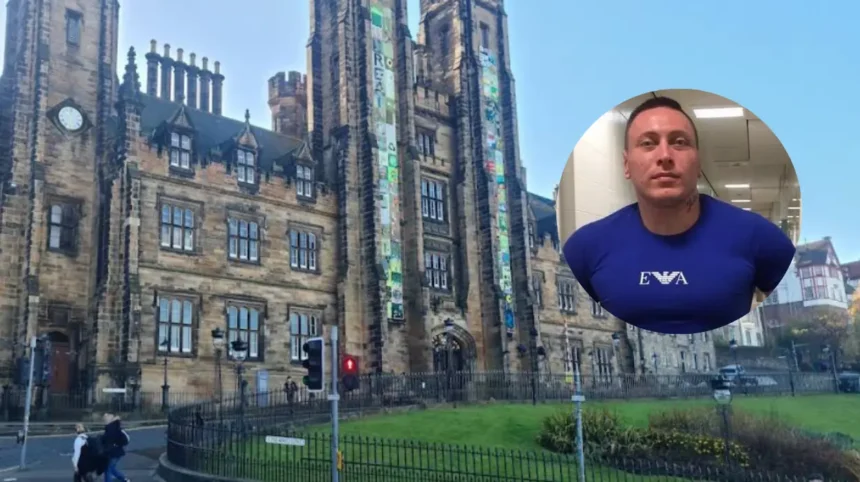
- Sean Stephen, 38, found dead in Edinburgh City Chambers toilet on July 7, 2025, in advanced decomposition
- Last contacted wife Julie on July 1, 2025, while near the chambers according to police
- Body discovered by cleaning staff who believed locked door meant facility was out of order
- Security staff failed to check toilets empty during end-of-day rounds as required procedure
- Police Scotland investigated but deemed death not suspicious in July 2025
- Council leader Jane Meagher (Labour) announced independent investigation in August 2025
- Governance, Risk and Best Value Committee to consider report on Thursday, June 5, 2026
- Meeting discussion will be held in private; public cannot attend or read agenda contents
- Independent investigation report will be reviewed by councillors behind closed doors
Edinburgh Council(Edinburgh Daily)June 05, 2026 – A report into the death of Sean Stephen, a 38-year-old man found dead in a toilet cubicle at Edinburgh City Chambers, will be heard by councillors in private, marking a controversial decision that has drawn attention from the deceased’s family and members of the public seeking transparency.
- Key Points
- How Did Sean Stephen Die in Edinburgh City Chambers Toilet?
- Why Was Security Staff Investigation Launched?
- What Did Council Leader Jane Meagher Announce About Investigation?
- Why Will the Death Report Be Heard in Private?
- What Has Sean Stephen’s Wife Julie Said About the Death?
- How Long Did Sean Stephen’s Body Remain Undiscovered?
- Background of the Sean Stephen Death Development
- What Impact Will This Private Hearing Have on Edinburgh Families and Public Trust?
The governance, risk and best value committee is scheduled to consider the independent investigation report on Thursday, June 5, 2026, but the general public will not be permitted to attend the discussion around the report, nor will they be able to read its contents on the meeting agenda online, according to the meeting arrangements confirmed by City of Edinburgh Council.
How Did Sean Stephen Die in Edinburgh City Chambers Toilet?
Sean Stephen was found dead in the customer service hub at Edinburgh City Chambers on July 7, 2025, with his body described as being in an “advanced state of decomposition,” as reported by the Local Democracy Reporting Service. The disturbing condition of the body indicated that Stephen had been deceased for approximately six days before discovery.
According to police records, Stephen had last been in touch with his wife Julie Stephen on July 1, 2025. Julie Stephen told police that she had spoken with her husband on the phone when he was near the chambers at that time, establishing his last known location before his disappearance.
The body was discovered by cleaning staff at Edinburgh City Chambers, who had believed the toilet door was locked for days due to the facility being out of order, a source told the Local Democracy Reporting Service at the time of the initial investigation. This detail raises serious questions about the building’s maintenance protocols and daily inspection procedures.
Why Was Security Staff Investigation Launched?
Security staff at Edinburgh City Chambers were required to check that toilets were empty at the end of every day as part of their regular rounds, according to procedures in place at the time of Stephen’s death. However, security staff failed to perform this critical check, which might have led to earlier discovery of Stephen’s body.
Police Scotland launched an investigation into Stephen’s passing in early July 2025, but authorities stated that his death was not believed to be suspicious, as confirmed in official police statements at the time. The investigation focused on understanding the circumstances surrounding how Stephen ended up in the toilet cubicle and why he remained undiscovered for nearly a week.
The failure of security protocols became a central concern in the subsequent investigation, as the combination of locked doors, out-of-order signage, and missed security checks created conditions that allowed Stephen’s body to remain undiscovered for six days in a public council building.
What Did Council Leader Jane Meagher Announce About Investigation?
In August 2025, council leader and Labour councillor Jane Meagher announced that an independent investigation into Sean Stephen’s death would be carried out, marking the council’s official response to the tragic incident. Meagher’s announcement came after weeks of pressure from Stephen’s family and public concern about the circumstances surrounding the death.
The independent investigation was commissioned to examine the circumstances of Stephen’s death, the building’s security and maintenance procedures, and whether council protocols were followed appropriately. The investigation aimed to provide accountability and prevent similar incidents in the future, according to the council’s initial statement.
Jane Meagher’s decision to commission an independent investigation rather than conduct an internal review demonstrated the council’s acknowledgment of the seriousness of the incident and the need for impartial examination of what went wrong at Edinburgh City Chambers.
Why Will the Death Report Be Heard in Private?
The decision to hold the consideration of the independent investigation report in private has been made by the governance, risk and best value committee, meaning the general public will not be able to attend the discussion around the report or access its contents through the meeting agenda published online.
This private hearing arrangement has drawn criticism from transparency advocates and Stephen’s family, who have expressed frustration about being shut out from the proceedings. Julie Stephen, Sean’s wife, has publicly demanded answers about her husband’s death, as reported by Euronews and other media outlets covering the story.
The council’s decision to close the meeting to public attendance represents a significant departure from typical council committee procedures, which are usually open to public observation. The private nature of the hearing means that the findings of the independent investigation will not be immediately available to the public or media.
What Has Sean Stephen’s Wife Julie Said About the Death?
Julie Stephen, Sean Stephen’s 48-year-old wife, has publicly demanded answers after her husband’s body was found in Edinburgh City Chambers toilet six days after he entered the building, as reported by Euronews. Julie has expressed deep distress about the circumstances of her husband’s death and the length of time before his body was discovered.
Julie Stephen told police that she had spoken with Sean on the phone on July 1, 2025, when he was near the chambers, providing the last confirmed contact with her husband before his death. The mother of Sean’s children has been described as “heartbroken” and has been told to stay away from his funeral, according to reports from Edinburgh Live News.
The grief experienced by Julie Stephen has been compounded by what she perceives as inadequate responses from the council and the private nature of the upcoming hearing. Her public demands for answers highlight the emotional toll on families affected by such tragedies and the importance of transparency in council proceedings.
How Long Did Sean Stephen’s Body Remain Undiscovered?
Sean Stephen’s body remained undiscovered in Edinburgh City Chambers toilet for approximately six days, from around July 1, 2025, when he last contacted his wife, until July 7, 2025, when cleaning staff discovered him. The advanced state of decomposition noted by investigators confirmed that Stephen had been dead for nearly a week.
The six-day period during which Stephen’s body remained undiscovered in a public council building has become a central focus of criticism and concern. The fact that he lay dead in a public toilet for multiple days without being found has been highlighted by community members as indicative of serious procedural failures.
These toilets at Edinburgh City Chambers are supposed to be checked regularly according to council procedures, yet the combination of security staff missing their end-of-day checks and cleaning staff assuming the locked door indicated a broken facility created a perfect storm that allowed Stephen’s death to remain undiscovered for nearly a week.
Background of the Sean Stephen Death Development
Sean Stephen was a 38-year-old man whose death at Edinburgh City Chambers has become a significant case study in council accountability and building safety procedures. The incident occurred during a period when Edinburgh City Chambers, the headquarters of City of Edinburgh Council, was operating normal customer service functions in its public hub.
The/gentle giant” description used by those who knew Stephen reflects the personal impact of his death beyond the procedural failures it exposed. His death has prompted broader discussions about security protocols in public buildings, the importance of regular facility checks, and the accountability of local government organizations for public safety.
The independent investigation commissioned by council leader Jane Meagher in August 2025 represents the council’s most significant response to the tragedy, though the decision to hold the report’s consideration in private has raised questions about transparency and public accountability.
What Impact Will This Private Hearing Have on Edinburgh Families and Public Trust?
The decision to hold Sean Stephen’s death report hearing in private could significantly affect public trust in City of Edinburgh Council and its commitment to transparency. Edinburgh families who use council facilities may question whether proper safety protocols are in place and whether the council prioritizes accountability over reputation management.
The private hearing arrangement may particularly impact families of missing persons or those who have experienced similar tragedies, as it sets a precedent for how council deaths are handled publicly. Julie Stephen’s public demands for answers suggest that other families in similar situations may feel discouraged from seeking transparency if councils can routinely close such proceedings to public observation.
This development could also affect how the public perceives council accountability mechanisms. If independent investigations are commissioned but their findings are not made publicly available through open hearings, citizens may lose faith in the effectiveness of council oversight procedures. The long-term impact on public trust will depend on whether the council eventually releases the investigation findings through alternative transparent channels.
Edinburgh residents who work in or visit council buildings may become more vigilant about safety procedures and more likely to question facility management practices. The case has already generated significant media coverage and public discussion, suggesting that the private hearing decision will continue to generate scrutiny of council operations and safety protocols throughout Edinburgh and potentially beyond Scotland.