Key Points
- Police in Scotland have charged a 36-year-old man over a series of incidents in Edinburgh on Friday, June 19, 2026.
- Five men were injured in the attacks, which authorities and political leaders have linked to suspected anti-Muslim hatred.
- UK Prime Minister Keir Starmer said the suspect appeared to be motivated by anti-Muslim hatred.
- Scotland’s First Minister John Swinney described the attacks as a “wake-up call” about intolerance in the country.
- Counter-terrorism officers are involved in the investigation, while rights groups say the violence reflects a wider climate of Islamophobic rhetoric.
- Recent reporting has also highlighted growing concern among Muslim communities, with mosques advised to tighten security and run lockdown drills.
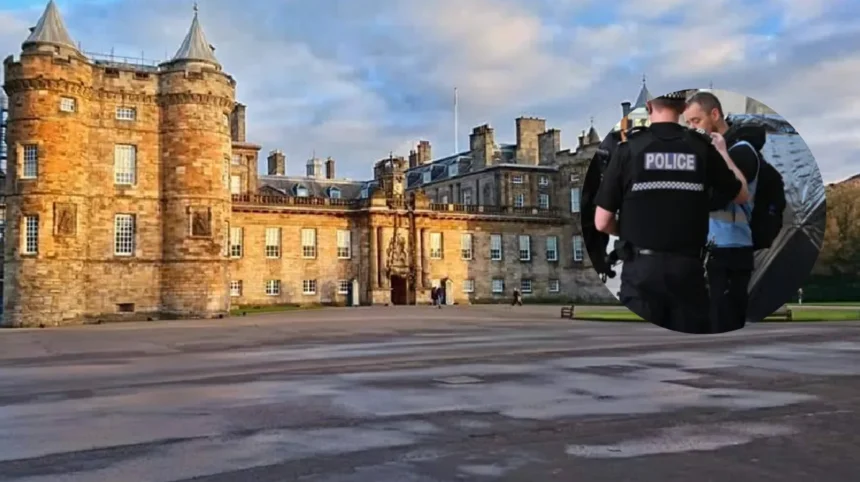
Edinburgh (Edinburgh Daily) June 23, 226 – Police in Scotland have charged a 36-year-old man after a series of attacks in Edinburgh that left five men injured, with investigators treating the case as one linked to suspected anti-Muslim hatred. The incidents took place on Friday, June 19, 2026, and were followed by a fast-moving public response from political leaders, police and Muslim community groups.
The case has quickly become part of a wider debate in Britain over Islamophobia, public safety and social division. Authorities have not only focused on the immediate criminal investigation but also on the broader implications for community relations and trust.
Who said what about the attacks?
As reported by Al Jazeera, UK Prime Minister Keir Starmer said the suspect “appears to be motivated by anti-Muslim hatred”. That description has been central to the public framing of the case and has pushed the issue of anti-Muslim hostility into the national conversation.
BBC News reported that Scotland’s First Minister John Swinney called the violence a significant “wake-up call” on intolerance, saying he was “terrified” by what the attacks could mean for relations between communities. His comments reflected concern that the attacks were not viewed in isolation, but as part of a broader pattern of hostility.
Middle East Eye reported that Scottish counter-terrorism officers are investigating the incidents, while rights groups argued that the attacks took place in a climate shaped by Islamophobic rhetoric. That report also said recent Metropolitan Police data showed Islamophobic hate crime offences rose by 33 percent between April and May, reaching 179 cases, the highest monthly figure since August 2024.
Why is the case drawing wider concern?
The attacks have drawn attention because they come at a time when Muslim communities in Britain have already been expressing concern about safety around mosques and public spaces. The Guardian reported that the Muslim Council of Britain issued guidance urging mosques to run lockdown drills, strengthen ties with police and improve CCTV coverage amid fears of anti-Muslim attacks.
That advice suggests the Edinburgh case is being seen not just as a local criminal matter, but as part of a wider security and social problem. In that sense, the story has moved beyond the city itself and into the national debate over how Britain responds to hate crime, community protection and political rhetoric.
How are authorities responding?
The police response has been immediate, with officers announcing the arrest and charge of the suspect in relation to the Edinburgh incidents. Counter-terrorism involvement indicates that investigators are treating the case with heightened seriousness because of the alleged motivation behind the violence.middleeasteye+1
Political leaders have also stepped in to address the fallout. Their statements point to concern that these attacks could deepen fear within Muslim communities and sharpen divisions more broadly if not handled carefully.
What does this mean for Britain?
The renewed focus on anti-Muslim hostility may pressure institutions to show that hate crimes are being identified and investigated quickly and consistently. It may also increase calls for clearer monitoring of Islamophobic incidents and stronger support for mosques and community organisations.theguardian+1
For readers in Britain, especially Muslim families and community leaders, the case reinforces concerns about personal safety, public language and the limits of current protection measures. For policymakers, it adds urgency to debates about hate crime reporting, policing standards and the tone of public discourse.
Background of the development
Concerns about anti-Muslim hostility in Britain did not begin with the Edinburgh attacks. Reporting in recent days has already pointed to a rise in Islamophobic hate crime figures, while Muslim organisations have warned that fears around mosque security are growing.middleeasteye+1
That context helps explain why the Edinburgh case has generated so much attention. It arrived at a moment when tolerance, social cohesion and community safety were already under pressure, making the attacks a flashpoint for a much older and wider debate.
Prediction: how could this affect the audience?
For Muslim audiences in Britain, the case may lead to greater vigilance, more demand for security measures and stronger pressure on local authorities to respond to threats early. For the wider public, it could intensify debate about hate speech, political rhetoric and the responsibility of institutions to prevent communal tension from escalating.
If police and community leaders respond visibly and consistently, the immediate effect may be reassurance and a stronger sense of protection. If they do not, the story could deepen mistrust and make fears of anti-Muslim hostility more entrenched.