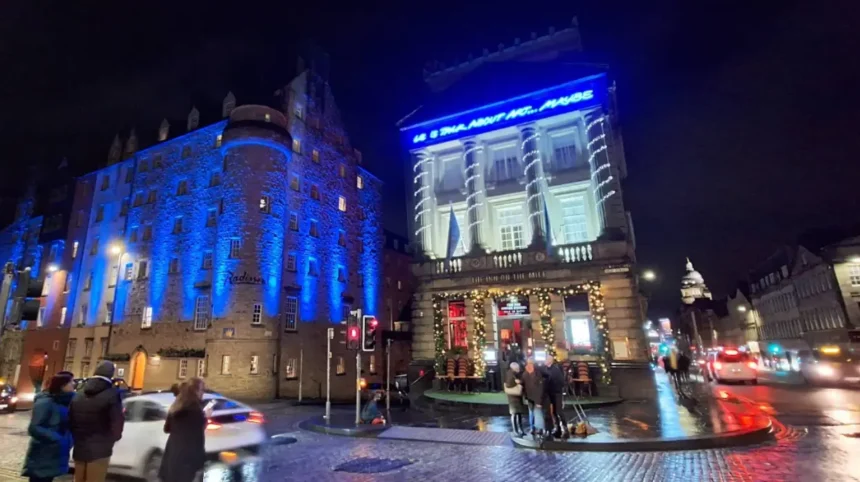
The royal mile market edinburgh is located inside the historic Tron Kirk building at 122 High Street in the heart of the Old Town. This landmark church was commissioned by King Charles I in 1633 and constructed between 1637 and 1647 to serve the North-West parish of the city. The architectural design was managed by royal master mason John Mylne who combined Palladian and Gothic structural elements. The building officially closed its doors as an active place of worship in 1952 and remained underutilized for decades. In 2015 the space was transformed into a indoor retail platform known as the Royal Mile Market. The site underwent a major revitalization in July 2022 when the Scottish Design Exchange assumed management. The organization partners with the Scottish Historic Buildings Trust to maintain the architectural integrity while providing viable commercial utility.
- Which unique products are available at the marketplace?
- How does the market impact the local Edinburgh community?
- What should visitors know before traveling to the venue?
- How does this marketplace fit into the culinary and cultural history of the city?
- FAQs About Royal Mile Market Edinburgh
- What is the difference between the Tron Kirk Market and the Royal Mile Market?
- Can I buy authentic Scottish souvenirs at this specific market?
- Is the market accessible for individuals using wheelchairs or strollers?
- Where exactly is the market located on the Royal Mile?
- Do the vendors inside the venue accept card payments?
The name Tron originates from the traditional Scots word for the large public weighing beam that stood outside the church. This beam was used by city officials to weigh commercial goods sold at the nearby public marketplaces during the medieval and early modern eras. Archaeological excavations conducted beneath the church floor in 1974 uncovered the remains of ancient foundations. These excavations revealed Marlin’s Wynd which is recognized as the oldest paved street structure in Scotland. The discovery also included the basements of 15th century tenements that predate the construction of the church. These historic elements establish the location as a long-standing epicenter of Scottish trade and social organization. Visitors can observe how the modern marketplace preserves the commercial legacy of this specific geographic location.
Which unique products are available at the marketplace?
The market currently showcases the work of over 20 independent Scottish artists and designers who display handmade items. The product selection includes custom jewelry, traditional textiles, fine art prints, ceramics, clothing, and home accessories. Every item sold inside the venue is produced locally within Scotland by independent creators rather than large manufacturing corporations. Popular items include embroidered designs such as the Highland Coo kits and custom enamel badges created by regional illustrators. The inventory updates regularly as new designers join the collective managed by the Scottish Design Exchange. This rotation ensures a diverse selection of authentic items for both international tourists and local residents.
The retail space functions through a distinct financial model designed to support the local creative economy directly. Artists pay a fixed nominal rent for their dedicated display spaces instead of losing profits to standard retail commissions. This rent covers the operational expenses of the facility including staffing, marketing, building maintenance, and utility bills. Every penny generated from in-store sales goes directly back to the individual creators who produce the goods. This framework allows small businesses to maintain sustainable operations while working from home studios or shared creative spaces. The model protects the high street from corporate uniformity by keeping local talent at the center of the market.
How does the market impact the local Edinburgh community?
The marketplace provides significant economic support to the regional creative sector by removing traditional retail barriers for independent businesses. Since its inception the parent organization has distributed millions of pounds to working artists across Scotland. This steady revenue stream allows micro-businesses to expand their operations and invest in new production materials. The physical location on the high street guarantees high visibility among international travelers who seek authentic cultural souvenirs. This exposure introduces small Scottish brands to global audiences without requiring expensive marketing campaigns or international shipping infrastructure. The market successfully converts tourism spending into direct financial stability for local working families.
The project simultaneously serves as a major building conservation initiative that protects endangered municipal heritage sites. The collaboration with the Scottish Historic Buildings Trust aims to completely restore the 17th-century structure by the year 2031. This timeline marks exactly 360 years since the initial completion of the building in 1671. The commercial success of the artisan market funds ongoing architectural feasibility studies, structural stabilization, and community engagement programs. This model demonstrates how historic properties can achieve economic self-sufficiency without relying solely on government grants. The integration of commerce and conservation preserves the skyline of the city while revitalizing its cultural infrastructure.
What should visitors know before traveling to the venue?
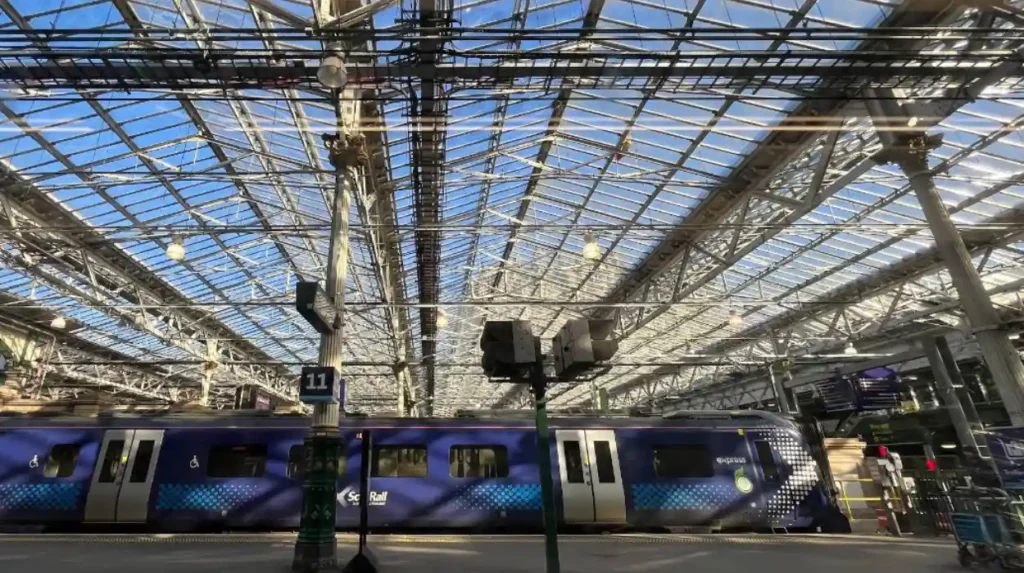
The marketplace operates seven days a week from 10 am until 6 pm for visitors throughout the calendar year. Entry into the historic building is completely free of charge for all members of the general public. The venue accepts multiple payment options including major credit cards, debit cards, and digital mobile payment systems. Most individual stalls are fully accessible for travelers exploring the historic Old Town district on foot. The central location places the market within short walking distance of major transit hubs like Edinburgh Waverley railway station. It stands as an ideal indoor destination during periods of inclement weather common to the region.
The architectural landscape highlights how the city developed around tightly packed residential wynds and commercial centers over the centuries. This proximity allows tourists to combine historical sight-seeing with retail shopping in a single afternoon itinerary. Understanding the surrounding topography enhances the appreciation of the structural changes visible inside the kirk building. The market serves as a practical starting point for broader exploration of the Old Town.
How does this marketplace fit into the culinary and cultural history of the city?
The site connects directly to the historical development of retail trade and food distribution networks across the capital. The surrounding streets traditionally hosted specialized markets for various commodities including poultry, grain, fish, and dairy products. This historic concentration is detailed in the analysis of What is the historic origin of the the Edinburgh culinary landscape which outlines early trade networks. The presence of the public weighing beam at the church reinforced the status of High Street as a regulated commercial zone. Modern trading inside the kirk continues this lineage by prioritizing regional production over imported mass merchandise. This preservation of local supply chains mirrors the historical market archetypes of the city.
The architectural evolution of the district also mirrors the construction of major infrastructural links like the nearby bridge systems. The expansion of the urban footprint required significant structural alterations to early buildings as seen during the creation of South Bridge. A similar development history is evident when examining What is the true history and significance of George IV Bridge in Edinburgh which altered the Old Town layout. These civil engineering projects truncated old structures to facilitate modern transportation and public health improvements. The survival of the kirk as a functional indoor market highlights successful adaptation amidst centuries of urban modernization. The venue remains an active participant in the living history of the royal mile.
FAQs About Royal Mile Market Edinburgh
What is the difference between the Tron Kirk Market and the Royal Mile Market?
The terms refer to the same physical location at 122 High Street in Edinburgh. The venue was initially popularized as the Royal Mile Market in 2015, but it is now formally operated as the Tron Kirk Market under the management of the Scottish Design Exchange.
Can I buy authentic Scottish souvenirs at this specific market?
The market specializes exclusively in authentic items produced by local designers and independent artists based in Scotland. Visitors can purchase jewelry, textiles, fine art prints, and hand-crafted home accessories directly from the creators.
Is the market accessible for individuals using wheelchairs or strollers?
The main ground floor shopping area of the historic church building provides step-free access directly from the High Street pavement. The layout inside allows visitors to navigate between the various artisan stalls comfortably.
Where exactly is the market located on the Royal Mile?
The venue occupies the historic Tron Kirk building at the prominent intersection of High Street and South Bridge. This central location sits approximately halfway between Edinburgh Castle and the Palace of Holyroodhouse.
Do the vendors inside the venue accept card payments?
All independent stalls operating within the collective market accept modern electronic payment methods including credit cards, debit cards, and contactless mobile options. Visitors do not need to carry physical cash to make purchases.