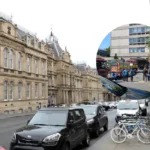
Grindlay Street Edinburgh is one of the most historically significant streets in Edinburgh’s city centre. Situated between Lothian Road, Bread Street, and the West End, it connects several of the capital’s best-known cultural venues, historic buildings, and transport routes. The street reflects Edinburgh’s nineteenth-century urban expansion and remains an important destination for residents, students, theatre visitors, and tourists.
- What is Grindlay Street Edinburgh?
- Why is Grindlay Street important in Edinburgh’s history?
- What are the main landmarks on Grindlay Street Edinburgh?
- What architecture and buildings define Grindlay Street Edinburgh?
- How can visitors reach and explore Grindlay Street Edinburgh?
- What makes Grindlay Street Edinburgh an important cultural destination today?
- Frequently Asked Questions
Originally developed during the Victorian era, Grindlay Street formed part of the Orchardfield Estate redevelopment. Today, it combines historic tenement buildings, entertainment venues, restaurants, educational institutions, and public services within a compact urban setting. Its proximity to Edinburgh Castle, the Grassmarket, Princes Street, and the Old Town makes it an essential part of the city’s cultural landscape.
What is Grindlay Street Edinburgh?
Grindlay Street Edinburgh is a historic city centre street developed during the nineteenth century on the former Orchardfield Estate. It links Lothian Road with Bread Street and is recognised for Victorian architecture, theatres, listed buildings, and its central location within Edinburgh’s cultural district.
Grindlay Street lies in the western section of Edinburgh’s city centre, immediately south of Princes Street and close to Edinburgh Castle. The street forms part of the city’s traditional grid that expanded beyond the medieval Old Town during the nineteenth century.
The name originates from the Orchardfield Estate owned by the Merchant Company. The estate followed a master plan prepared by architect William Burn in 1820 before substantial residential construction began during the 1860s. Industrial growth, railway development, and population expansion accelerated the area’s transformation into a densely built urban neighbourhood.
Today, Grindlay Street functions as an important mixed-use corridor. Historic residential buildings stand alongside theatres, hospitality businesses, educational facilities, and commercial premises. The street also provides convenient pedestrian access between the Old Town, Lothian Road, and Edinburgh’s West End.
Because of its central location, thousands of people use Grindlay Street daily for commuting, attending performances, studying, dining, and sightseeing.
Why is Grindlay Street important in Edinburgh’s history?
Grindlay Street played an important role in Edinburgh’s nineteenth and twentieth-century urban development. The street transformed from estate land into a cultural district that became home to landmark theatres, concert venues, Victorian architecture, and major public institutions serving residents and visitors alike.
Before urban development, the area formed part of the Orchardfield Estate on the western edge of Edinburgh’s Old Town. During the early nineteenth century, city planners identified the estate for expansion as Edinburgh’s population increased following the Industrial Revolution. Architect William Burn prepared an early development plan in 1820, although large-scale construction accelerated several decades later as housing demand continued to grow.
The Victorian period permanently changed Grindlay Street’s character. Elegant stone tenements, commercial buildings, entertainment venues, and civic infrastructure replaced open land. The street became one of the principal connections between Lothian Road, the West End, and the historic Old Town. This development reflected Edinburgh’s broader transformation into one of Britain’s leading cultural and commercial capitals.
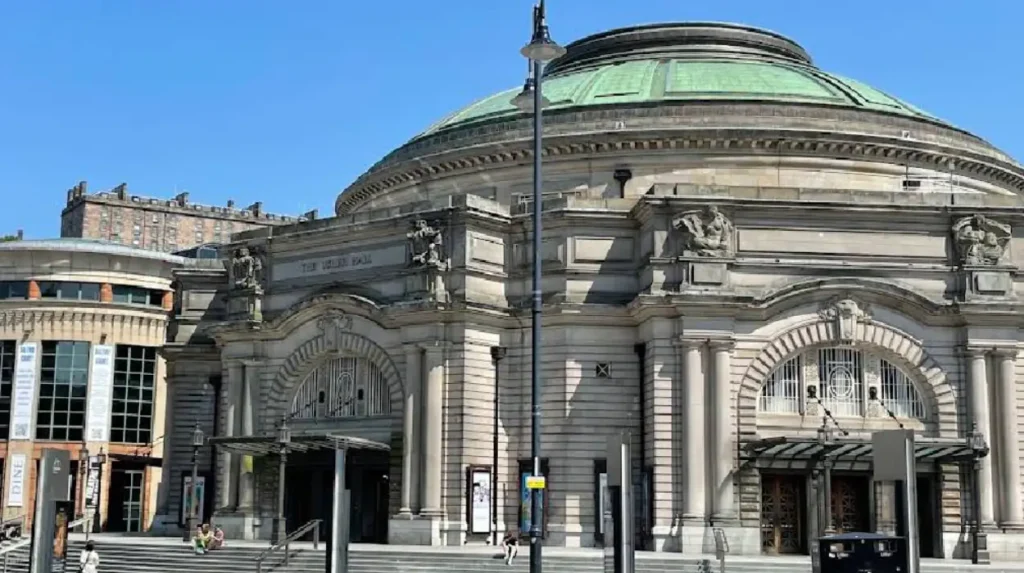
During the early twentieth century, parts of Grindlay Street underwent further redevelopment to accommodate the construction of the Usher Hall. Historic photographs document the demolition of older tenements before work began on the internationally recognised concert venue, which officially opened in 1914. The project reinforced the area’s reputation as Edinburgh’s principal entertainment quarter.
Today, many original Victorian buildings remain protected through listed building status and conservation policies. Their preservation demonstrates the architectural and historical importance of Grindlay Street within Edinburgh’s World Heritage setting and ensures that future generations continue to experience this distinctive part of the city.
What are the main landmarks on Grindlay Street Edinburgh?
Grindlay Street contains several of Edinburgh’s best-known cultural landmarks, including the Royal Lyceum Theatre, the Usher Hall, and neighbouring performance venues. Together they create one of Scotland’s most significant arts and entertainment districts throughout the year.
The Royal Lyceum Theatre is the street’s most recognisable landmark. Opened on 10 September 1883, the theatre was designed by architect C. J. Phipps and remains one of Britain’s finest surviving Victorian theatres. The Category A listed building preserves much of its original architectural character while continuing to stage drama, classical productions, and contemporary performances.
Immediately beside Grindlay Street stands the Usher Hall, one of Scotland’s premier concert venues. Although its principal entrance faces Lothian Road, later extensions and public spaces extend onto Grindlay Street. Since opening in 1914, the hall has hosted orchestras, international musicians, conferences, and major performances during the Edinburgh International Festival.
The surrounding cultural quarter also includes the Traverse Theatre, Edinburgh College of Art nearby, and several historic public buildings. Together these institutions attract hundreds of thousands of visitors each year during the Edinburgh Festival Fringe, the Edinburgh International Festival, and year-round theatrical seasons.
Grindlay Street’s central location also places visitors within a short walking distance of Edinburgh Castle, Princes Street Gardens, Grassmarket, and the city’s UNESCO-listed Old and New Towns. This concentration of heritage and cultural attractions makes the street one of the busiest pedestrian corridors in central Edinburgh.
What architecture and buildings define Grindlay Street Edinburgh?
Grindlay Street Edinburgh is characterised by Victorian stone tenements, ornate civic architecture, and protected listed buildings. Its streetscape reflects nineteenth-century urban planning while preserving important examples of Edinburgh’s architectural heritage through conservation and statutory building protection.
Most buildings along Grindlay Street were constructed between the mid and late nineteenth century using locally quarried sandstone. The street features traditional Scottish tenements with decorative cornices, tall sash-and-case windows, ashlar stone façades, and symmetrical elevations. These buildings were designed to accommodate both residential and commercial uses, a pattern that continues today. Several properties remain protected because of their architectural and historical importance within Edinburgh’s World Heritage Site.
One of the finest architectural landmarks is the Royal Lyceum Theatre, completed in 1883 by theatre architect C. J. Phipps. The building holds Category A listed status, Scotland’s highest level of protection for structures of exceptional national significance. Its classical façade, decorative detailing, and preserved auditorium make it one of the country’s best surviving Victorian theatres.
Beyond the theatre, several terraces on Grindlay Street are also listed because they represent well-preserved Victorian residential architecture. Historic Environment Scotland recognises these buildings for their contribution to Edinburgh’s nineteenth-century townscape and their role in illustrating the city’s planned urban expansion. Restoration and redevelopment projects must comply with conservation regulations to protect their historic character.
The combination of theatres, historic tenements, civic buildings, and neighbouring public spaces creates a distinctive architectural identity. Rather than a single landmark, Grindlay Street represents a continuous historic streetscape that demonstrates how Edinburgh successfully combined cultural institutions with everyday urban living during the Victorian era.
How can visitors reach and explore Grindlay Street Edinburgh?
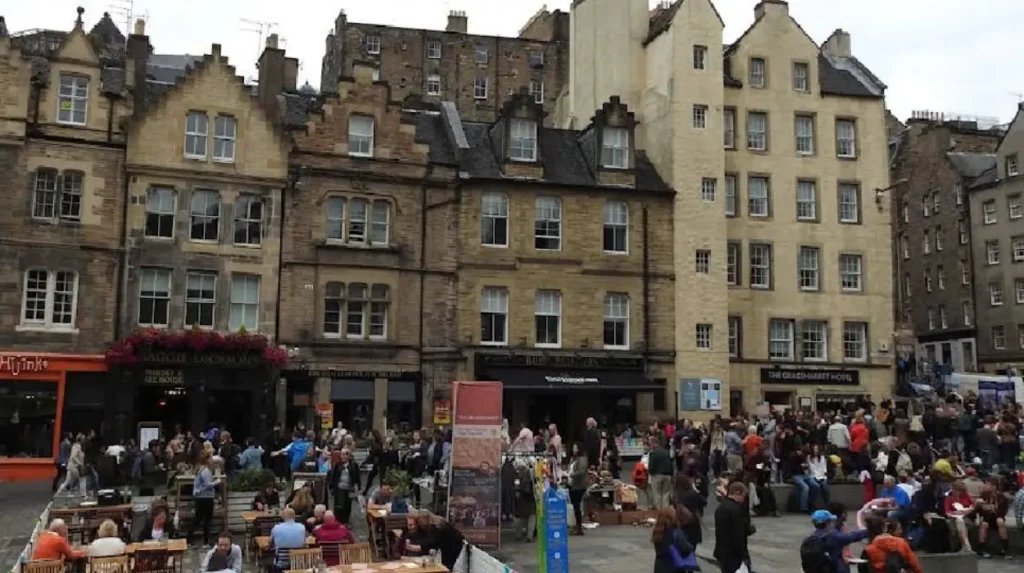
Grindlay Street is easy to reach by walking, bus, tram, taxi, or bicycle from central Edinburgh. Its location near Princes Street, Haymarket, the Grassmarket, and Edinburgh Castle makes it an excellent starting point for exploring the city’s cultural attractions.
Grindlay Street sits within Edinburgh’s compact city centre, approximately ten minutes on foot from Edinburgh Waverley railway station and only a few minutes from Princes Street and Lothian Road. Visitors arriving by train can follow clearly signposted pedestrian routes through the West End or the Old Town. The street’s central position also makes it accessible from Haymarket Station for those arriving from western Scotland.
Public transport provides convenient access throughout the day. Numerous Lothian Buses serve nearby stops on Lothian Road, while Edinburgh Trams operate along the city centre corridor with convenient connections from Edinburgh Airport and Newhaven. These services allow visitors to reach the area without needing a private vehicle.
Walking remains the best way to experience Grindlay Street and its surroundings. Within a short distance are the Royal Lyceum Theatre, Usher Hall, Grassmarket, Edinburgh Castle, Princes Street Gardens, the National Museum of Scotland, and the historic Royal Mile. The concentration of attractions allows visitors to explore several important sites during a single visit while appreciating the area’s Victorian architecture and public spaces.
For drivers, public parking facilities are available nearby, although city authorities encourage the use of public transport because of limited parking capacity and busy pedestrian activity in central Edinburgh. This approach supports the preservation of the historic streetscape while reducing congestion in one of Scotland’s busiest cultural districts.
What makes Grindlay Street Edinburgh an important cultural destination today?
Grindlay Street Edinburgh remains one of the city’s leading cultural destinations because it combines historic theatres, music venues, restaurants, educational institutions, and heritage buildings within a compact area. Its location supports year-round cultural activity and becomes especially significant during Edinburgh’s internationally recognised festivals.
Grindlay Street forms part of Edinburgh’s celebrated theatre district. The Royal Lyceum Theatre continues to stage drama, musicals, family productions, and contemporary performances throughout the year, while the nearby Usher Hall hosts classical concerts, popular music, comedy shows, conferences, and civic events. Together, these venues attract audiences from across Scotland and overseas, reinforcing Edinburgh’s reputation as a global centre for performing arts.
The street becomes especially vibrant during the Edinburgh Festival Fringe and the Edinburgh International Festival each August. Thousands of performers, visitors, journalists, and industry professionals pass through the area every day. Restaurants, cafés, hotels, and local businesses experience increased activity, making Grindlay Street an important contributor to Edinburgh’s visitor economy and creative industries.
Beyond entertainment, Grindlay Street serves residents, office workers, and students throughout the year. Its central position provides easy access to nearby universities, public transport, retail districts, and historic attractions. This combination of everyday city life and internationally recognised cultural venues creates a unique urban environment that remains active well beyond festival season.
The preservation of historic buildings alongside modern businesses demonstrates Edinburgh’s commitment to balancing heritage with contemporary development. Conservation policies protect the Victorian streetscape while allowing new cultural, hospitality, and commercial activities to flourish. This balance ensures that Grindlay Street continues to evolve without losing the architectural character that defines its identity.
Grindlay Street Edinburgh represents more than a central city street. It reflects nearly two centuries of urban planning, Victorian architecture, and cultural development that have shaped modern Edinburgh. From its origins on the Orchardfield Estate to its transformation into a thriving entertainment and heritage district, the street illustrates how the city successfully balanced residential growth with public institutions and cultural investment. Historic buildings, including the Royal Lyceum Theatre and numerous listed Victorian tenements, continue to preserve the area’s architectural character while supporting contemporary uses.
Today, Grindlay Street remains an essential part of Edinburgh’s city centre. Its convenient location near Edinburgh Castle, Princes Street, the Grassmarket, and the West End makes it a popular destination for residents and visitors throughout the year. Whether exploring historic landmarks, attending a theatre performance, or discovering Edinburgh’s rich architectural heritage, Grindlay Street offers an excellent introduction to one of Scotland’s most historic and culturally significant neighbourhoods.
Frequently Asked Questions
Why is Grindlay Street famous in Edinburgh?
Grindlay Street is famous for its Victorian architecture, the Royal Lyceum Theatre, and its location within Edinburgh’s cultural quarter. The street has played an important role in the city’s development since the nineteenth century and remains a major destination for theatre, music, and heritage.
When was Grindlay Street developed?
Most of Grindlay Street was developed during the 1860s following William Burn’s 1820 master plan for the Orchardfield Estate. Urban expansion accelerated after the arrival of railway and canal infrastructure, leading to the construction of the Victorian buildings that still define the street today.
What attractions are close to Grindlay Street Edinburgh?
Visitors can easily walk to Edinburgh Castle, Princes Street Gardens, the Grassmarket, the Usher Hall, the Royal Lyceum Theatre, and the UNESCO-listed Old Town. These attractions make the area one of the most visited parts of central Edinburgh.
Is Grindlay Street part of Edinburgh’s historic area?
Yes. Grindlay Street lies within Edinburgh’s historic city centre and contains several listed buildings protected by Historic Environment Scotland. Its Victorian streetscape contributes to the character of Edinburgh’s World Heritage Site.
Can tourists visit Grindlay Street throughout the year?
Yes. Grindlay Street is open to visitors year-round. While it becomes especially busy during the Edinburgh Festival Fringe and Edinburgh International Festival, its theatres, restaurants, historic buildings, and nearby attractions make it worth visiting in every season.