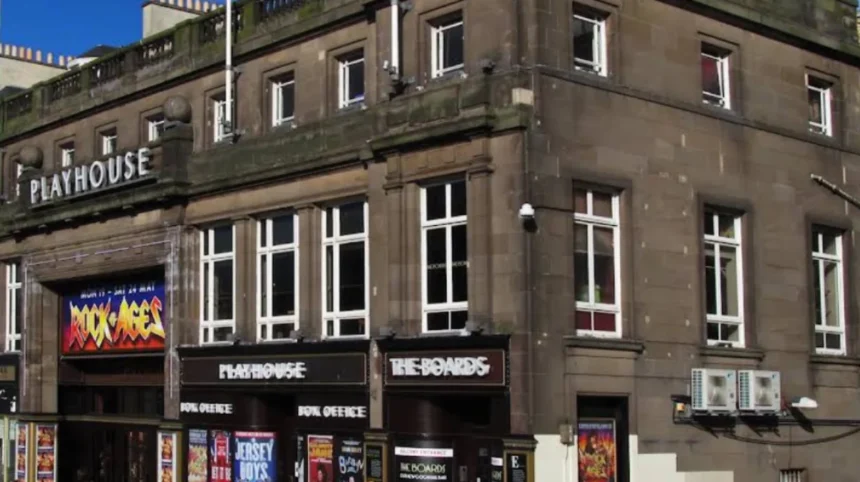
The Tina Turner musical Edinburgh staging is a hit jukebox biographical stage production that chronicles the life, career, and resilience of legendary rock artist Tina Turner at the historic Edinburgh Playhouse.
- How does the Edinburgh Playhouse support major musical productions?
- What historical journey brought Tina Turner’s story to the stage?
- What core musical and narrative elements structure the performance?
- How do stage production processes deliver the live experience?
- What real-world impact has the show had on global audiences?
- What data and critical achievements define the production’s success?
- Why does Tina Turner’s story remain relevant for future generations?
- Frequently Asked Questions
- What is the age recommendation for the Tina Turner musical in Edinburgh?
- How long does the Tina Turner musical last at the Edinburgh Playhouse?
- Where are the best seats to sit in at the Edinburgh Playhouse?
- Does the Tina Turner musical use strobe lights and loud music effects?
- Is the Edinburgh Playhouse accessible for disabled theatergoers?
The show traces her early life as Anna Mae Bullock in Nutbush, Tennessee, her rise to fame alongside Ike Turner, and her triumph as a solo global icon. Developed in direct association with Tina Turner, the musical features a book by Pulitzer Prize winner Katori Hall alongside Frank Ketelaar and Kees Prins, directed by Phyllida Lloyd. The performance incorporates iconic songs including What is Love Got to Do With It, Proud Mary, and Simply The Best.
The production brings West End theatrical standards to Scotland. The show serves as an inspirational narrative exploring triumph over domestic abuse, institutional racism, and ageism within the music industry. The staging utilizes state of the art sound design, dynamic lighting rigs, and choreography by Anthony Van Laast to recreate the energetic atmosphere of Turner’s stadium concerts.
How does the Edinburgh Playhouse support major musical productions?
The Edinburgh Playhouse supports major musical productions by offering the largest seated theater capacity in the United Kingdom with 3,059 seats across three primary levels.
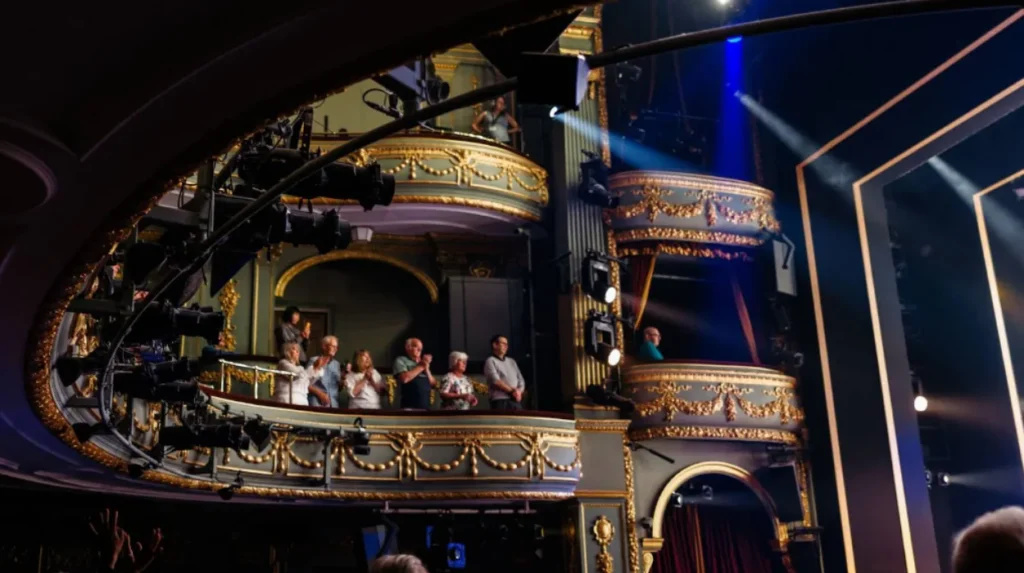
The venue opened in 1929 as a super cinema before transforming into a major touring theater venue. Managed by Ambassador Theatre Group, the facility features a massive proscenium arch stage capable of accommodating complex West End set designs, heavy automated lighting trusses, and large cast ensembles. The auditorium is divided into the Stalls, Circle, and Balcony to maximize visibility across the large space.
The facility integrates modern stage technologies required for high scale touring shows. Technical features include deep wing space for rapid set changes, high capacity fly towers for backdrops, and advanced digital sound control positions. Located on Greenside Place near the St James Quarter, the location offers direct connections to the Edinburgh tram network and Waverley Station, making it accessible for regional theater audiences.
What historical journey brought Tina Turner’s story to the stage?
The historical journey that brought Tina Turner’s story to the stage began with her personal endorsement and active collaboration during the initial development phase in 2015.
The development process aimed to create an authentic biographical narrative rather than a basic compilation show. Playwright Katori Hall conducted extensive interviews with Turner to capture her personal voice, spiritual journey in Nichiren Buddhism, and struggles within her personal life. The creative team combined these biographical details with catalog hits to ensure the songs advanced the dramatic storyline naturally.
The world premiere occurred at the Aldwych Theatre in London in April 2018, opening to critical acclaim and record breaking box office sales. Following its West End success, the production expanded to Broadway at the Lunt-Fontanne Theatre in 2019, receiving twelve Tony Award nominations. International productions launched across Germany, the Netherlands, Spain, and Australia before launching the comprehensive UK and Ireland national tour.
What core musical and narrative elements structure the performance?
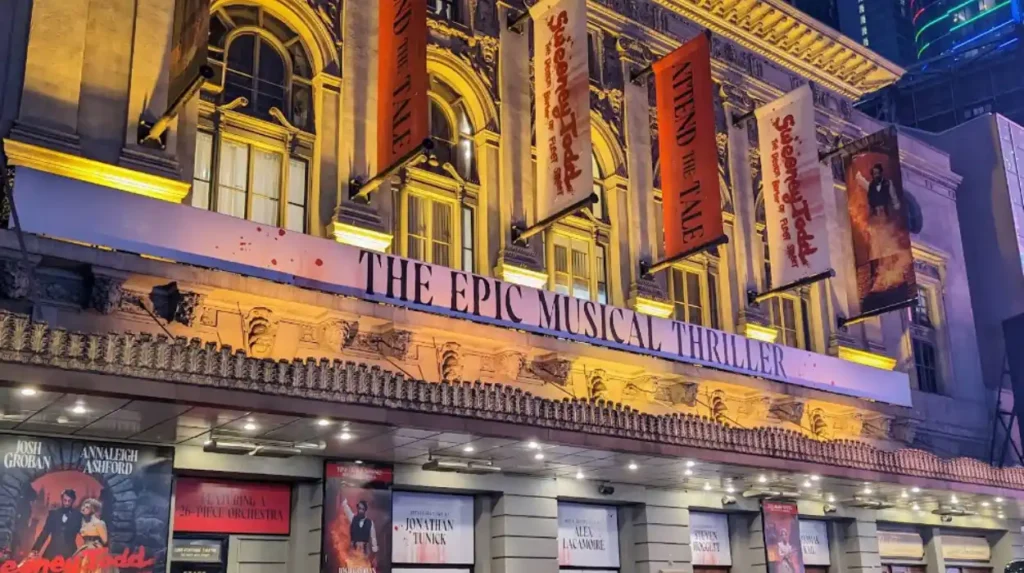
The core musical and narrative elements structure the performance into a two-act biographical drama spanning five decades of Tina Turner’s life and musical evolution.
Act One covers her childhood in Nutbush, her discovery by Ike Turner, and the creation of the Ike & Tina Turner Revue. The dramatic tension focuses on artistic success contrasted with severe domestic abuse, culminating in her escape in 1976. Act Two details her struggle to rebuild her career as a single mother in her nineties, her transition into rock music, and her record breaking 1988 Rio de Janeiro concert before 180,000 fans.
The score includes over twenty classic hit records integrated directly into the storyline. Key tracks function as internal monologues or performance pieces, including River Deep Mountain High, Private Dancer, and We Don’t Need Another Hero. The production uses double casting for the lead role of Tina Turner due to the extreme vocal and physical demands required by the continuous high energy staging.
How do stage production processes deliver the live experience?
Stage production processes deliver the live experience through a seamless combination of automated set engineering, dynamic lighting designs, and live musical accompaniment.
The scenic design uses moving LED screen panels, slick scenic transitions, and minimalist prop structures to instantly shift scenes between rural church halls, recording studios, and massive concert arenas. Lighting rigs use hundreds of moving fixtures to transition from intimate theatrical spotlights to stadium style rock concert lighting displays during major musical numbers.
The live band is positioned behind the main set walls, emerging onto the main stage during key concert sequences. Sound engineers manage complex audio mixes to balance live brass sections, heavy percussion, and high belt vocals. Costume changes occur rapidly offstage, replicating iconic historical outfits such as the denim jacket from What’s Love Got To Do With It and sparkly fringe dresses.
What real-world impact has the show had on global audiences?
The real-world impact of the production manifests in millions of tickets sold globally, widespread critical acclaim, and renewed appreciation for Tina Turner’s artistic legacy.
The show has welcomed over five million audience members across its West End, Broadway, and international tour runs. Theater critics have highlighted the production for tackling heavy real-world issues such as domestic violence, gender bias, and racial discrimination without sanitizing historical facts. The performance inspires audiences by framing survivor experience through empowerment and artistic autonomy.
The musical has launched the careers of musical theater performers who have taken on the demanding title role. Beyond theater revenues, local stagings drive substantial economic activity for municipal hospitality sectors. Visitors traveling to city centers for performances generate hotel bookings, restaurant reservations, and local transportation revenue during performance runs.
What data and critical achievements define the production’s success?
Data and critical achievements defining the production’s success include record breaking box office revenue, major industry awards, and exceptional performance longevity.
The original West End production became the longest running show in the history of the Aldwych Theatre, surpassing over 2,000 continuous performances. The Broadway run grossed over 60 million dollars during its tenure, breaking multiple weekly house records at the Lunt-Fontanne Theatre. The production earned eight Laurence Olivier Award nominations, winning Best Actor in a Musical for Adrienne Warren, who also secured the Tony Award for Best Actress.
Statistical metrics highlight the high operational scale of the touring production. The physical show requires eight articulated trucks to move set components, wardrobe rigs, and sound gear between tour cities. The show maintains a running time of two hours and forty-five minutes, including one twenty-minute interval, making it one of the largest touring musical setups currently operating in the United Kingdom.
Why does Tina Turner’s story remain relevant for future generations?
Tina Turner’s story remains relevant for future generations because it represents a universal narrative of personal resilience, artistic reinvention, and self-determination.
Her life story challenges societal boundaries regarding age, gender, and race within the global entertainment industry. By achieving her peak commercial success in her late forties, Turner dismantled industry stereotypes regarding aging female artists. The musical documents her journey toward personal independence, highlighting her ownership of her name, catalog, and public persona after years of exploitation.
The production serves as a cultural artifact that preserves the history of early rock and roll, rhythm and blues, and pop music evolutions. Future generations continue to engage with her music through this biographical theater medium. The ongoing global tour ensures her story reaches new audiences, maintaining her legacy as one of the most influential performers in contemporary music history.
Frequently Asked Questions
What is the age recommendation for the Tina Turner musical in Edinburgh?
The show is recommended for audiences aged 14 and older due to strong language and realistic depictions of domestic violence. Children under five years old are not permitted inside the theater venue. Parents should review content warnings before purchasing tickets for younger teenagers.
How long does the Tina Turner musical last at the Edinburgh Playhouse?
The total running time for the performance is approximately two hours and forty-five minutes. This duration includes one twenty-minute interval between Act One and Act Two. Evening performances typically finish around ten fifteen in the evening.
Where are the best seats to sit in at the Edinburgh Playhouse?
The mid Stalls and front Circle offer the clearest view of stage action and set details. The Stalls provide an immersive experience during concert scenes, while the Circle offers balanced visibility across the whole stage. Balcony seating is more budget friendly but further from the stage.
Does the Tina Turner musical use strobe lights and loud music effects?
Yes, the production uses dramatic lighting effects including strobe lights, flash pods, and sudden haze effects. The audio levels resemble a live rock concert during major musical sequences. Viewers sensitive to light or sound should take precautions.
Is the Edinburgh Playhouse accessible for disabled theatergoers?
Yes, the Edinburgh Playhouse provides step free access to designated areas of the Stalls level. Accessible toilet facilities and infrared hearing loop systems are available inside. Access bookings can be made directly through Ambassador Theatre Group customer support.