
Edinburgh weather requires a versatile layering strategy every month of the year due to rapid maritime climatic shifts, persistent coastal winds, and frequent micro-precipitations, making waterproof outer shells, breathable wool mid-layers, and sturdy walking footwear essential wardrobe foundations.
- What should you wear in Edinburgh during the spring season?
- What are the essential clothing items for an Edinburgh summer?
- How should you dress for autumn weather in Edinburgh?
- What is the best strategy for packing for an Edinburgh winter?
- How do you transition your clothing between daytime sightseeing and evening activities?
- What shoes are best for walking on Edinburgh’s cobblestone streets?
- Is a waterproof jacket necessary every month of the year in Edinburgh?
- Can you wear shorts during summer in Edinburgh?
- What should you wear to stay warm during the Edinburgh Hogmanay street party?
- Do Edinburgh restaurants and pubs have strict dress codes?
The city of Edinburgh sits on the eastern coast of Scotland along the Firth of Forth. The local climate is defined as a temperate maritime climate. This marine positioning produces narrow temperature ranges between seasons. Summer high temperatures average 18.5 degrees Celsius in July, while winter low temperatures average 1.5 degrees Celsius in January.
The primary challenge for wardrobe planning stems from atmospheric instability. The metoffice reports that Edinburgh receives an average of 124 rainy days per year, total precipitation reaching 704 millimeters annually. Rain rarely falls as heavy prolonged downpours. It manifests as a fine drizzle locally known as smirr. High-velocity winds blowing from the North Sea exacerbate the cooling effect. A temperature reading of 12 degrees Celsius feels significantly colder due to wind chill along exposed areas like Castle Rock or Arthur’s Seat.
Terrain dictates footwear choices across the Scottish capital. The urban landscape features volcanic hills, medieval cobblestones, steep wynds, and slippery stone staircases. Walking serves as the primary mode of transportation for tourists and residents exploring Old Town and New Town. Leather boots or engineered walking shoes with deep rubber lug treads are necessary to maintain traction. Thin soles, high heels, and non-waterproof canvas shoes fail rapidly under local conditions.
An effective packing strategy relies on the technical three-layer clothing system. The base layer must feature moisture-wicking materials like merino wool or synthetic polyesters. Cotton must be avoided because it retains moisture and cools the body when damp. The mid-layer provides thermal insulation through fleece, down jackets, or lambswool knitwear. The outer layer serves as a windproof and waterproof barrier. Gore-Tex or polyurethane-coated fabrics protect against coastal gales and rain showers.
Seasonal variations alter layer thickness rather than layer composition. Spring introduces daily temperature fluctuations between 4 degrees and 12 degrees Celsius. Summer brings extended daylight hours reaching 17.5 hours in June, but maximum temperatures rarely exceed 20 degrees Celsius. Autumn sees rainfall peaks in October. Winter reduces daylight to under 7 hours in December while frost and icy gale-force winds become frequent.
Cultural settings require adaptable casual apparel. The city maintains a relaxed dress code in restaurants, pubs, and theaters. Smart-casual attire is universally accepted across high-end venues in the New Town and informal establishments in Cowgate. Dark denim, tailored trousers, leather footwear, and knitted sweaters transition easily from daytime sightseeing to evening dining.
Specialized accessories complete the climate defense assembly. Compact umbrellas often fail against urban wind gusts, making hooded waterproof jackets the superior alternative. Thermal scarves, gloves, and knitted beanies are required from October through April. UV-blocking sunglasses are necessary year-round due to low sun angles reflecting off historic stone surfaces.
Understanding microclimates within the city boundary prevents wardrobe miscalculations. Coastal districts like Leith and Portobello experience colder sea breezes than sheltered streets in the West End. Ascending Arthur’s Seat exposes walkers to unobstructed wind conditions requiring immediate deployment of windproof outer layers.
Packing efficiently requires durable, multi-functional garments. Synthetic blends, treated leathers, and high-grade wools provide maximum protection while minimizing luggage weight. Adhering to structured layer systems ensures comfort across all four seasons in Scotland’s capital.
What should you wear in Edinburgh during the spring season?

Spring in Edinburgh requires adaptable outfits featuring light merino wool knitwear, breathable waterproof rain coats, medium-weight trousers, and water-resistant leather walking shoes to navigate changing temperatures, sun, wind, and sudden showers between March and May.
Spring climate transition occurs rapidly between March and May. March records average daily high temperatures of 9 degrees Celsius, rising to 14 degrees Celsius by late May. Daily sunshine duration increases from 3.5 hours in March to over 6 hours in May. However, cold winds originating from the North Sea maintain a cool baseline temperature across all city districts.
Layering provides the required flexibility for spring outdoor activities. A typical spring outfit consists of a breathable cotton or merino wool long-sleeve top, a mid-weight fleece or cardigan, and an outer shell jacket. The outer jacket must feature a minimum waterproof rating of 5,000 millimeters hydrostatic head to withstand sudden spring rain showers.
Lower body attire must balance warmth and moisture resistance. Heavyweight denim jeans, cotton chinos, and quick-dry synthetic trousers perform well during spring months. Trousers made from light linen or thin cotton absorb water quickly and should be avoided during outdoor sightseeing tours.
Footwear must handle damp pavements and mud in public parks like Princes Street Gardens and Holyrood Park. Treated leather ankle boots or low-top waterproof hiking shoes provide adequate ankle support and water protection. Cotton canvas sneakers are unsuitable during March and April due to frequent ground moisture accumulation.
Accessories should be selected for portability and temperature adjustments. A lightweight beanie or wool flat cap protects against wind chill during morning hours. A soft silk or lightweight wool scarf shields the neck without causing overheating during midday walks. Compact sunglasses are essential as clear spring days generate intense glare against light sandstone architecture.
Evening outfits require minor adjustments from daytime clothing choices. Indoor venues maintain central heating, requiring easy removal of outer insulation. A tailored sweater paired with dark trousers and clean leather shoes meets the dress standard for historic pubs, fine dining venues, and classical music concerts at Usher Hall.
Special events in spring influence sartorial necessities. Visitors exploring the Edinburgh Beltane Fire Festival on Calton Hill in late April experience low night temperatures dropping to 4 degrees Celsius. Outdoor festival attendance demands heavy wool socks, thermal base layers, and windproof outer coats.
Park visits and outdoor walking routes demand functional gear variations. Exploring the Royal Botanic Garden requires breathable outerwear to manage body heat while walking along paths. Packing a lightweight, compressible down vest inside a daypack provides instant warmth when thermal levels drop unexpectedly.
Spring wardrobe assembly focuses on modularity. Choosing garments that pair together efficiently enables quick responses to unpredictable weather patterns. High-performance textiles combined with classical casual designs deliver maximum utility across all urban and natural environments.
What are the essential clothing items for an Edinburgh summer?
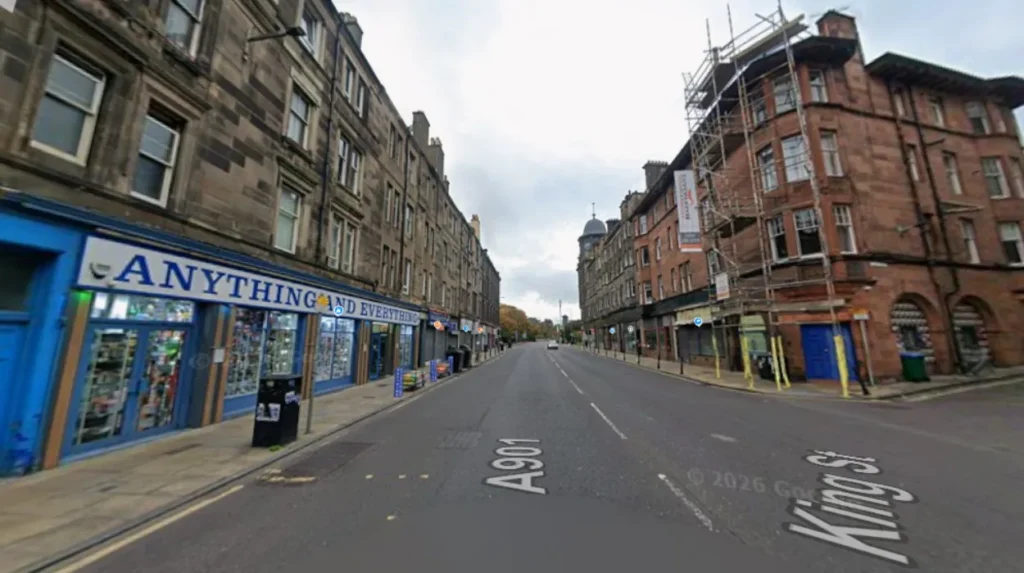
Summer wardrobe essentials include lightweight breathable shirts, light mid-layers, wind-resistant jackets, sturdy walking sneakers, and compact waterproof shells to handle average peak temperatures of 19 degrees Celsius, extended daylight hours, and sporadic summer rain.
Summer temperatures in Edinburgh remain cool compared to continental Europe. July and August feature average daytime highs of 18.5 degrees Celsius and overnight lows of 11.5 degrees Celsius. Temperatures exceed 22 degrees Celsius on fewer than five days per year. Extended daylight hours reaching 17.5 hours in June allow prolonged outdoor exploration, requiring comfortable, durable clothing.
Upper body garments must prioritize breathability and moisture management. Linen shirts, short-sleeve cotton tees, and light merino polo shirts form the ideal base layer set. Bringing a light sweater, denim jacket, or zip-up fleece is mandatory, as temperatures drop rapidly when cloud cover obscures the sun or when shifting winds blow off the sea.
Lower body selections should focus on versatile trousers and midi skirts. Chinos, light denim jeans, and breathable casual trousers are suitable for all summer activities. Shorts are rarely necessary for travel in Scotland, as ambient air temperatures and coastal winds keep conditions cool throughout the day.
Footwear needs to handle extensive walking over stone surfaces. Cushion-soled sneakers, low-cut leather trainers, and supportive walking shoes are recommended. Open-toed sandals are impractical for city exploration due to uneven stone streets, sudden rain showers, and cool evening temperatures.
Rain protection remains necessary throughout the summer season. August represents one of the wettest months of the year in Edinburgh, recording an average of 60 millimeters of rainfall spread across 10 rainy days. A packable, breathable waterproof jacket with taped seams should be carried in a daypack during all daily excursions.
Attending the Edinburgh Festival Fringe in August demands specific clothing considerations. Festival venues range from temporary outdoor stages to historic stone basements and warm theater spaces. Wearing easily removable layers ensures comfort when moving between humid indoor performance spaces and cool outdoor streets.
Evening dining and nightlife require smart-casual combinations. Summer nights remain cool, with temperatures hovering around 12 degrees Celsius. A smart shirt or blouse, dark jeans or trousers, and a tailored light jacket ensure suitable attire for upscale venues along George Street or the Royal Mile.
Outdoor excursions to coastal districts require additional wind protection. Visiting Portobello Beach or the historic port of Leith exposes visitors to strong sea breezes. A dedicated windbreaker or dense cotton jacket protects against wind chill along exposed coastal promenades.
Packing for summer requires preparing for four season shifts in a single afternoon. Integrating light technical fabrics with classic casual pieces maintains personal comfort without overloading travel luggage. Smart preparation guarantees full enjoyment of Scotland’s summer climate.
How should you dress for autumn weather in Edinburgh?
Autumn clothing requires thermal wool layers, heavy water-resistant trousers, insulated waterproof coats, warm accessories, and waterproof leather boots to withstand falling temperatures, high winds, and peak annual rainfall during September, October, and November.
Autumn brings rapid environmental changes to Edinburgh between September and November. Daytime temperatures drop from an average high of 16 degrees Celsius in September down to 9 degrees Celsius in November. November experiences the highest frequency of rainy days, averaging 11 wet days during the month. Daylight hours decrease rapidly from 12.5 hours to under 8 hours.
Insulation becomes a priority for autumn wardrobe planning. Mid-weight thermal base layers made from merino wool or synthetic thermal fabrics should be worn under long-sleeve shirts. Heavy wool knits, cable-knit sweaters, and thick fleece jackets provide the secondary insulation layer necessary for autumn sightseeing.
Outerwear must offer protection against moisture and wind penetration. Waterproof parkas, insulated trench coats, or wax jackets with a minimum waterproof rating of 8,000 millimeters are required. Coats should feature adjustable hoods, storm flaps over zippers, and wind-sealed cuffs to prevent cold air infiltration.
Lower body garments require heavier fabrics to resist low temperatures and driving rain. Corduroy trousers, heavy denim jeans, and wool-blend slacks offer excellent insulation. Waxed cotton trousers provide superior water protection for long outdoor walks through the Royal Botanic Garden or Dean Village.
Footwear selection must prioritize complete water resistance and high traction. Seam-sealed waterproof leather boots with deep lug rubber soles are ideal for autumn conditions. Wet fallen leaves create hazardous walking surfaces on stone steps and hilly footpaths throughout Old Town, making non-slip soles essential.
Cold-weather accessories become mandatory starting in late October. Thick wool beanies, fleece-lined leather gloves, and heavy woven scarves protect exposed skin from gale-force winds. A sturdy storm-proof umbrella with fiberglass ribs can be used on low-wind days, though hooded jackets remain more reliable.
Autumn evening entertainment calls for cozy, layered, smart-casual dress. Traditional Scottish pubs, whisky tasting rooms, and historic venues maintain warm indoor environments. Wearing a stylish wool sweater over a button-down shirt paired with tailored dark trousers allows easy adaptation between cold outdoor streets and heated interiors.
Photography and sightseeing trips require specialized cold-weather preparation. Capturing autumn foliage across Calton Hill or the Meadows involves standing still in exposed locations. Carrying a packable down vest or an extra wool mid-layer in a waterproof daypack prevents hypothermia during extended outdoor sessions.
Selecting high-quality natural fibers like Harris Tweed, Scottish cashmere, and thick wool enhances both functional protection and aesthetic style. Autumn wardrobe planning balances visual appeal with technical weather resistance to ensure absolute comfort across the city.
What is the best strategy for packing for an Edinburgh winter?
Winter packing requires a heavy-duty weatherproof strategy featuring thermal base layers, thick wool sweaters, windproof insulated down parkas, fleece-lined waterproof boots, and thermal accessories to navigate freezing temperatures, icy streets, and limited daylight.
Winter in Edinburgh spans from December through February, bringing cold temperatures, severe wind chills, and short daylight hours. Average daily highs range between 5 degrees and 7 degrees Celsius, while night temperatures frequently drop below freezing. Daylight is limited to approximately 6.8 hours during the winter solstice in late December.
The primary layer must consist of dedicated thermal underwear. Long-sleeve thermal tops and matching thermal leggings made from 200 GSM or higher merino wool provide essential thermal protection. Synthetic thermal underwear offers a durable alternative that keeps skin dry during energetic walks up urban inclines.
The insulation layer must retain maximum trapped air. Heavy lambswool jumpers, cashmere sweaters, or high-loft fleece jackets are worn over thermal base layers. Cardigans and zip-up designs allow visitors to vent heat quickly when entering heated shops, museums, and historic castles.
Outerwear selection requires maximum weather protection. A long, thigh-length down or synthetic insulated parka featuring a waterproof, windproof outer shell provides the best coverage. The jacket must include a fleece-lined adjustable hood, heavy-duty double zippers, and storm flaps to block freezing North Sea winds.
Lower body garments require multi-layer combinations. Wearing heavyweight jeans or thick wool trousers over thermal leggings protects against freezing temperatures. Water-repellent softshell winter hiking trousers represent the best choice for extended outdoor walking tours.
Footwear must handle ice, slush, and freezing surface water. Waterproof leather boots lined with shearling or fleece maintain foot warmth. Soles must feature soft rubber compounds with aggressive tread patterns designed to grip wet, icy cobblestones along the Royal Mile and Victoria Street.
Accessories are critical to preventing heat loss in winter environments. Fleece-lined wool beanies that cover the ears, windproof insulated gloves or mittens, and thick wool scarves are essential daily items. Wearing thick wool socks inside boots prevents cold transfer from frozen pavement surfaces.
Seasonal festivities like Hogmanay and Christmas Markets require heavy outdoor preparation. Celebrating Hogmanay outdoors along Princes Street involves standing on cold pavement for several hours in freezing temperatures. Wearing double wool socks, thermal base layers, insulated winter boots, and windproof parkas ensures safety and comfort.
Visiting indoor historic sites like Edinburgh Castle requires flexible layering. Castle stone interiors remain cool, while modern museum exhibits maintain high heat. Layering allows rapid clothing adjustments to maintain comfort across varying indoor microclimates.
Winter packing requires prioritizing thermal capability over minimal luggage volume. Investing in technical winter garments ensures full protection against freezing winds, damp air, and icy paths during Scotland’s coldest season.
How do you transition your clothing between daytime sightseeing and evening activities?
Transitioning from day to night requires wearing versatile smart-casual foundations like dark denim or tailored trousers, layering high-quality knitwear, and upgrading outer accessories and footwear to move seamlessly from historical walking tours to refined dining venues.
Edinburgh maintains a relaxed yet sophisticated approach to evening attire across its dining and entertainment districts. Pubs, casual eateries, and neighborhood bistros enforce no strict dress codes, accepting clean daytime sightseeing clothes. Fine dining establishments, cocktail lounges along George Street, and venues like the Royal Lyceum Theatre expect a smart-casual standard.
The transition strategy relies on choosing adaptable base clothing during morning packing. High-quality dark denim jeans, dark chinos, or tailored wool-blend trousers function well for both daytime walking tours and formal evening dinners. Avoid wearing distressed denim, athletic sweatpants, or technical mud-spattered hiking pants if planning a direct transition to evening dining.
Footwear selection serves as the pivot point for day-to-night transitions. Dark, clean leather ankle boots or polished waterproof dress shoes provide the structural support needed for 15,000 daytime walking steps while maintaining an elegant visual appearance for formal evening venues.
Mid-layers should be upgraded for evening activities. Replacing a technical outdoor fleece with a fitted merino wool sweater, cashmere crewneck, or tailored blazer instantly elevates an outfit’s formal presentation. Women can transition from day to night by replacing daytime walking layers with a warm knit midi dress paired with thick thermal tights and leather boots.
Outerwear needs careful consideration during dark winter and autumn evenings. While a technical waterproof shell is necessary for daytime weather defense, carrying a stylish wool overcoat or tailored trench coat upgrades your visual profile for high-end evening dining. Ensure the coat remains sufficiently warm for walking between venues.
Storage solutions simplify day-to-night transitions without returning to your hotel room. Utilizing public luggage lockers at Waverley Station or carrying a structured leather tote bag allows you to store evening accessories, smart footwear, or a lightweight blazer during morning sightseeing hours.
Indoor heating standards require strategic under-layering. Scottish restaurants and pubs keep interior temperatures warm to offset outdoor cold. Wearing a stylish short-sleeve or long-sleeve shirt under a warm, easily removable knit jumper prevents overheating once seated inside.
Grooming accessories help refresh your appearance after hours of outdoor walking. Packing travel-sized hair brushes, lip balm to combat windburn, and clothing brushes to remove dust or rain spots allows quick touch-ups in restaurant cloakrooms before dining.
Day-to-night clothing transitions in Edinburgh depend on intelligent garment selection. Choosing high-performance, dark-colored textiles allows seamless shifts from historic cobbled streets to upscale city dining environments.
What shoes are best for walking on Edinburgh’s cobblestone streets?
Sturdy, waterproof leather ankle boots or supportive walking sneakers with thick rubber lug soles are best. Cobblestones become slippery when wet, making flat-soled shoes, thin canvas sneakers, and high heels impractical and unsafe for urban walking.
Is a waterproof jacket necessary every month of the year in Edinburgh?
Yes, a breathable waterproof jacket with a hood is required year-round in Edinburgh. Rain showers occur across all four seasons, and sudden coastal precipitation can develop within minutes regardless of the morning weather forecast.
Can you wear shorts during summer in Edinburgh?
Shorts are rarely necessary in Edinburgh because summer temperatures average around 18.5 degrees Celsius and cool coastal winds persist. Long pants, chinos, or dark denim are more practical choices for staying comfortable throughout the day.
What should you wear to stay warm during the Edinburgh Hogmanay street party?
Wear full thermal underwear base layers, a thick wool jumper, an insulated windproof parka, a warm beanie, thermal gloves, and thick wool socks inside waterproof boots. Standing outdoors for hours in December requires maximum cold-weather protection.
Do Edinburgh restaurants and pubs have strict dress codes?
Most Edinburgh pubs and restaurants enforce a relaxed smart-casual dress code. Clean jeans, dark trousers, leather boots, and a neat sweater or shirt are acceptable almost everywhere, though upscale venues along George Street prefer dressier attire.