Key Points
- A collision on the M8 near West Lothian has caused lane restrictions and heavy rush-hour tailbacks.
- The crash occurred around 3:30 PM near Junction 3A, between Livingston and Bathgate, disrupting the evening commute.
- Traffic Scotland warned drivers to approach the area cautiously and allow extra time for their journeys.
- Police Scotland and emergency crews attended the scene to secure the affected lanes and direct traffic.
- Authorities have not confirmed any injuries or specified how many vehicles were involved.
West Lothian (Edinburgh Daily) September 30, 2026 – West Lothian drivers and evening commuters traveling along the M8 motorway have been hit with unexpected travel restrictions and building tailbacks following a multi-vehicle road collision during the Wednesday afternoon peak period.
What Caused The Delays On The M8 In West Lothian?
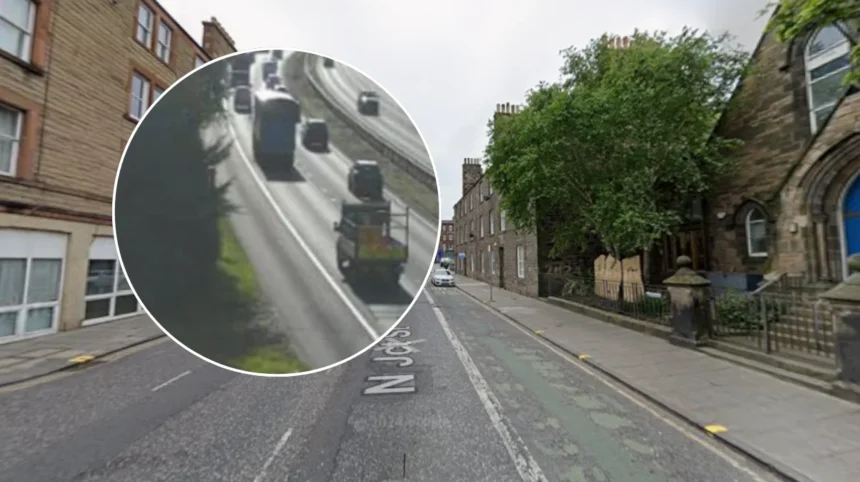
As reported by Edinburgh Live, a vehicle collision occurred on the main arterial route connecting Edinburgh and Glasgow at around 3:30 PM near Junction 3A. The impact of the incident immediately triggered lane closures and traffic restrictions, halting the steady flow of vehicles right as peak rush-hour traffic began to intensify across the region.
According to updates published by traffic management agency Traffic Scotland, motorists travelling along the route have been urged to exercise extreme vigilance. On social platform X (formerly known as Twitter), Traffic Scotland issued a statement informing the public that the motorway was subject to restrictions near Junction 3A due to a road traffic collision, advising road users in the vicinity to “approach with caution and expect longer travel times”.
How Are Emergency Services Responding To The Incident?
Police Scotland officers and emergency assistance crews were promptly deployed to the scene to assess the situation, manage oncoming vehicle queues, and secure the affected roadway.
As reported by local media outlets covering the incident, emergency service personnel worked to establish a safe perimeter around the vehicle wreckage while directing passing motorists through open lanes. At present, officials have not confirmed the exact number of vehicles involved in the impact, nor has any statement been made regarding injuries sustained by drivers or passengers.
Background Of M8 Motorway Disruption In West Lothian
The M8 motorway serves as Scotland’s primary east-west transport corridor, carrying thousands of commuter and commercial vehicles daily between Edinburgh, West Lothian, and the greater Glasgow area. The section running through West Lothian—particularly around Junction 3 (Livingston), Junction 3A (Bathgate), and Junction 4 (Whitburn)—is notoriously susceptible to heavy congestion during peak hours.
Because of the high density of commuter traffic merging from local industrial hubs and residential towns, even minor collisions or breakdown incidents on this stretch frequently result in exponential tailbacks. Historical traffic management data indicates that restricted lanes around Junction 3A regularly create ripple effects across nearby secondary roads, including the A89 and A71, as drivers divert away from motorway delays.
Prediction: How Will This Development Affect Local Commuters And Transport Links?
This latest collision and subsequent restriction on the M8 will directly affect several key groups across the central belt transport network:
- Evening Commuters: Drivers traveling between Edinburgh and West Lothian during the evening peak face extended travel times and gridlock. Secondary arterial routes across Bathgate, Broxburn, and Livingston are likely to experience severe flow-rate pressure as navigation systems redirect drivers away from the motorway.
- Public Logistics and Commercial Transport: Haulage operators reliant on the M8 for timed deliveries between Scotland’s two major cities will face scheduling delays, raising operational costs for regional freight services.
- Local Public Transport Operations: Bus services running along West Lothian corridors may experience knock-on delays, affecting passenger connections across rural and suburban transport links.