Key Points
- Police Scotland officers spoke with more than 1,000 motorcyclists during a six-month road safety campaign.
- The nationwide initiative ran from 20 March 2026 to 27 September 2026 along trunk roads and popular riding routes.
- Officers detected 292 traffic offences by motorcyclists, including speeding, careless driving, and dangerous driving.
- Motorbikes make up roughly 1% of Scotland’s road traffic but account for 18% of all road deaths.
- Police promoted the ‘Rider Refinement’ training course, run alongside IAM RoadSmart to improve riding skills.
- Police Scotland stated that road safety is a shared responsibility among all motorists, including car and commercial vehicle drivers.
SCOTLAND (Edinburgh Daily) September 30, 2026 – Police Scotland officers directly engaged with more than 1,000 motorcycle riders over the course of a comprehensive six-month national road safety campaign aimed at reducing casualties and improving driver behaviour across the country’s road network.
- Key Points
- What were the key outcomes of the six-month motorcycle safety initiative?
- Why are motorcyclists disproportionately vulnerable on Scottish roads?
- How does Police Scotland plan to maintain road safety following the campaign?
- What is the background of this particular development?
- What is the prediction for how this development will affect road users?
The nationwide campaign, which officially commenced on 20 March 2026 and concluded on 27 September 2026, combined high-visibility educational outreach with targeted law enforcement activities along key motorcycling corridors.
During the initiative, police officers detected 292 separate road traffic offences committed by motorcyclists. According to operational updates released by Police Scotland, these detected infractions included instances of excessive speeding, careless driving, and dangerous driving. Force representatives reiterated that while education remains a primary driver for behavioral change, firm enforcement action was necessary against individuals placing themselves and other road users in danger.
As officially published by the media reporting team at Police Scotland, force spokespersons stated that “motorcycles make up around 1% of traffic on Scotland’s roads but account for 18% of fatalities”. Officials highlighted that this statistic underscores the acute physical vulnerability of motorcyclists, necessitating targeted seasonal interventions during the peak riding months between spring and early autumn.
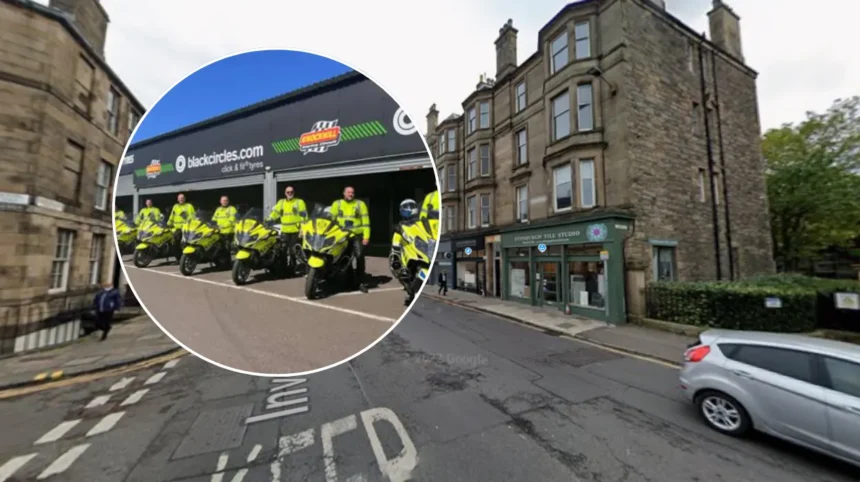
As reported by Police Scotland’s Road Policing Unit, police representatives emphasised that “we cannot prevent rider harm alone; motorcycle safety and road safety is a shared responsibility, and everyone using our roads has a part to play”. Operational personnel carried out patrols on high-risk routes, conducted safety checks on vehicles, and engaged directly with bikers at popular gathering spots across the country.
Alongside road checks, police promoted practical training initiatives such as the ‘Rider Refinement’ courses. As detailed by Police Scotland, these one-day specialist sessions are delivered by the Road Policing Unit with support from advanced motoring charity IAM RoadSmart to help qualified riders refresh critical handling and hazard awareness skills.
What were the key outcomes of the six-month motorcycle safety initiative?
The operational focus of the six-month campaign was split between proactive engagement and strict enforcement. By interacting directly with more than 1,000 riders, officers sought to raise awareness regarding common hazard zones, cornering techniques, and road positioning.
Simultaneously, the detection of 292 offences served as an operational deterrent against anti-social and risky riding practices. Enforcement focused primarily on excessive speed, improper overtaking, and unsafe vehicle modifications that compromise roadworthiness.
Why are motorcyclists disproportionately vulnerable on Scottish roads?
Motorcyclists remain one of the most vulnerable road user groups due to the lack of structural physical protection offered by a enclosed vehicle frame during a collision. Despite representing only a fraction of total vehicle miles traveled, the proportion of fatal accidents involving riders remains disproportionately elevated.
Factors contributing to high casualty rates include:
- Reduced visibility to other motorists at junctions and intersections.
- Road surface conditions, such as gravel, diesel spills, and potholes, which impact two-wheeled stability.
- Higher speed variances on rural and scenic routes commonly frequented by touring motorcyclists.
How does Police Scotland plan to maintain road safety following the campaign?
Although the dedicated seasonal campaign concluded on 27 September 2026, Police Scotland confirmed that enforcement and educational measures will continue through routine road policing patrols. Officers will continue to monitor high-risk routes and work alongside partner organisations to address driver and rider behavior year-round.
What is the background of this particular development?
Scotland’s national motorcycle safety campaigns are conducted annually during the spring and summer months, corresponding with the seasonal increase in motorcycle traffic. Historical casualty data compiled over the past decade consistently identifies the period between April and September as accounting for the vast majority of motorcycle-related severe injuries and fatalities.
Over recent years, Police Scotland has transitioned toward a combined strategy of public education, advanced rider training, and targeted enforcement. Initiatives such as ‘Rider Refinement’ were introduced to bridge the gap between passing a basic driving test and managing complex, high-speed rural road conditions. The 2026 campaign represents a continuation of the national road safety strategy aligned with Vision Zero, which aims to eliminate road deaths and serious injuries on Scottish roads.
What is the prediction for how this development will affect road users?
This latest campaign development directly impacts Scottish motorcyclists, general motorists, and regional road safety authorities in several key ways:
1. Increased Compliance and Skill Standards for Motorcyclists
With over 1,000 riders directly engaged and 292 offences recorded, motorcyclists operating in Scotland face higher expectations regarding speed compliance and vehicle maintenance. Continued promotion of refinement courses is expected to increase participation in advanced training, potentially reducing single-vehicle cornering accidents on rural routes over time.
2. Heightened Responsibility for General Drivers
The reiteration of road safety as a shared responsibility signals ongoing public awareness efforts directed at car and commercial vehicle drivers. Drivers can expect continued public messaging encouraging thorough junction checks, particularly during periods when light conditions change in autumn.
3. Targeted Enforcement Strategy
Motorcyclists utilizing known scenic corridors should expect sustained enforcement presences during future peak seasons. Road policing units are likely to continue using data-led deployments to target high-risk zones, keeping enforcement rates consistent to deter dangerous driving and riding behaviors.