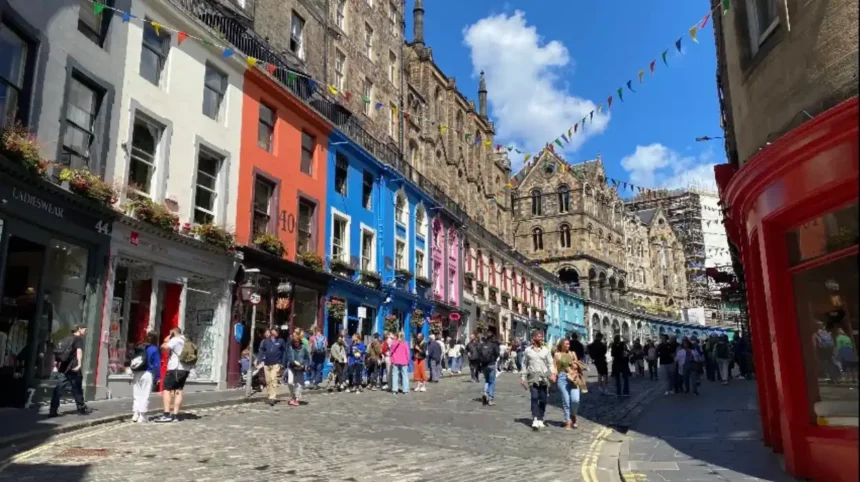
Day 1 focuses on the volcanic Castle Rock, the medieval Royal Mile, and the National Museum of Scotland. Visitors examine centuries of Scottish royal history, architectural transformations, cultural relics, and national heritage displays housed in world-class gallery spaces.
- How Can Culture Lovers Experience Art and Royalty on Day 2?
- What Are the Best Museums and Galleries for a Cultural Getaway?
- Where Can You Experience Local Performing Arts, Theater, and Music?
- What Are the Essential Logistics and Planning Tips for Culture Lovers?
- What is the best time of year to visit Edinburgh for a cultural weekend?
- Are major cultural attractions in Edinburgh accessible on foot?
- Do you need to book tickets in advance for Edinburgh museums and castles?
- How many days are needed to explore Edinburgh’s top cultural sites?
- Is the Edinburgh City Pass worth buying for a culture lover?
The Old Town of Edinburgh contains the historic core of Scotland’s capital city, featuring a preserved medieval street plan and stone buildings.
Castle Rock formed over 340 million years ago through volcanic activity, providing a defensive stronghold used by human settlements for millennia. Edinburgh Castle stands atop this formation, serving as a royal fortress, military garrison, and national monument.
Visitors begin their cultural exploration at Edinburgh Castle, entering through the Esplanade where the Royal Edinburgh Military Tattoo occurs annually. St. Margaret’s Chapel represents the oldest surviving building within the fortress complex, constructed around 1130 by King David I.
The Royal Palace inside the castle houses the Honours of Scotland, which are the oldest crown jewels in the United Kingdom, alongside the Stone of Scone.
Following the castle tour, culture lovers descend the Royal Mile, a historical thoroughfare measuring one Scots mile from Castle Rock to Holyrood Palace. The street connects four distinct historic districts: Castlehill, Lawnmarket, High Street, and Canongate. St Giles’ Cathedral stands along the High Street, functioning as the historic mother church of Presbyterianism since the Scottish Reformation of 1560.
The afternoon transitions to the National Museum of Scotland located on Chambers Street, established in 2006 through the merger of the Museum of Scotland and the Royal Scottish Museum.
The museum contains over 12,000 objects across 29 galleries, spanning natural history, world cultures, science, and Scottish antiquities. Key exhibits include the Lewis Chessmen, carved from walrus ivory in the 12th century, and Dolly the Sheep, the first cloned mammal from an adult somatic cell.
Day 1 concludes with an examination of Old Town literary heritage and historic public houses. The Writer’s Museum off the Lawnmarket celebrates Scottish literary figures, including Robert Burns, Sir Walter Scott, and Robert Louis Stevenson. Traditional stone architecture along the Royal Mile exhibits high-density tenement housing developed during the 16th and 17th centuries to maximize space within defensible town walls.
How Can Culture Lovers Experience Art and Royalty on Day 2?
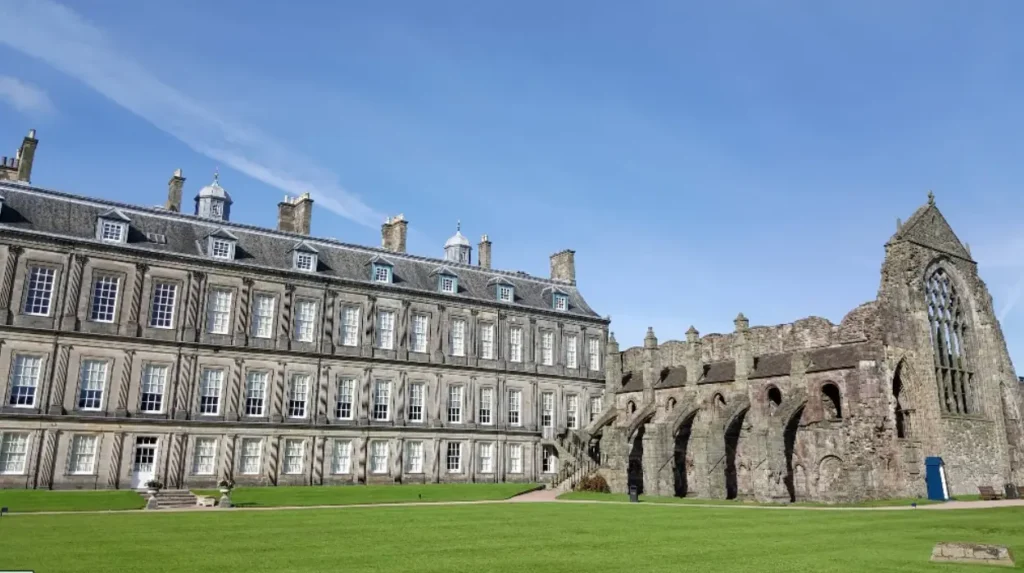
Day 2 covers the Palace of Holyroodhouse, the Scottish National Gallery, and the Georgian New Town. Readers explore royal state apartments, classical fine art collections, neoclassical urban planning, and historic art institutions across the city.
The morning begins at the Palace of Holyroodhouse, the official residence of the British monarch in Scotland, located at the eastern terminus of the Royal Mile. Founded as an Augustinian monastery in 1128 by King David I, the site transitioned into a royal palace under King James IV in 1501. The palace contains the 16th-century Historic Apartments of Mary, Queen of Scots, where she resided between 1561 and 1567.
Visitors inspect the Great Gallery inside Holyroodhouse, which displays 89 portraits of Scottish monarchs painted by Jacob de Wet II during the 17th century. The adjoining ruins of Holyrood Abbey present Gothic architectural elements from the 12th and 13th centuries, including pointed arches and stone vaulting. The King’s Gallery nearby hosts rotating exhibitions from the Royal Collection, featuring master drawings, decorative arts, and historical textiles.
Culture enthusiasts then walk toward the Scottish National Gallery, situated on the Mound in Princes Street Gardens. Designed by architect William Henry Playfair and opened in 1859, the neoclassical building holds Scotland’s national collection of fine art from the early Renaissance to the late 19th century. Masterpieces on display include works by Rembrandt van Rijn, Sandro Botticelli, Diego Velázquez, and Jacopo Tintoretto.
The gallery features prominent Scottish artists, including Sir Henry Raeburn, Alexander Nasmyth, and Allan Ramsay. Raeburn’s painting The Reverend Robert Walker Skating on Duddingston Loch represents an icon of Scottish cultural heritage. Comprehensive museum displays allow visitors to analyze the evolution of European artistic movements alongside the development of native Scottish portraiture and landscape painting.
The afternoon continues into the Georgian New Town, designed by urban planner James Craig in 1767 following an architectural competition. The district exhibits Enlightenment-era grid design, classical proportions, and sandstone architecture across George Street, Queen Street, and Charlotte Square. Culture lovers visit the Georgian House at 7 Charlotte Square, restored by the National Trust for Scotland to showcase late 18th-century residential interiors, period furniture, and domestic social history.
What Are the Best Museums and Galleries for a Cultural Getaway?
Edinburgh features world-class institutions including the Scottish National Gallery of Modern Art, the National War Museum, and the Portrait Gallery. These institutions preserve art movements, military history, national biography, and contemporary international creative expressions.
The Scottish National Gallery of Modern Art occupies two buildings, Modern One and Modern Two, situated in a sculpture park near Dean Village. Modern One, designed by William Burn in 1833 as an orphanage, now displays modern art movements including Cubism, Surrealism, and Abstract Expressionism. The collection features major works by Pablo Picasso, Henri Matisse, Joan Miró, and Andy Warhol.
Modern Two houses an extensive collection of Dada and Surrealist art, featuring works by Salvador Dalí, René Magritte, and Max Ernst. The building contains a meticulous recreation of sculptor Eduardo Paolozzi’s studio, alongside his Vulcan sculpture. The surrounding grounds contain outdoor landform artworks, including Work No. 262: Half the air in a given space by Martin Creed and landscaped terraces designed by Charles Jencks.
The Scottish National Portrait Gallery, located on Queen Street, opened in 1889 as the world’s first purpose-built portrait gallery. Designed by Sir Robert Rowand Anderson in the Neo-Gothic style, the building features a red sandstone facade adorned with statues of historic Scottish figures. The central hall displays a processional frieze painted by William Hole, illustrating key historical figures from Scottish history in chronological order.
Inside the Portrait Gallery, exhibitions focus on national biography through portraiture, photography, and sculpture. The collection spans from the 16th century to contemporary society, including portraits of Mary, Queen of Scots, Bonnie Prince Charlie, Robert Burns, and contemporary cultural icons. The National Photography Collection within the gallery holds over 38,000 historic and modern photographs documenting social history.
The National War Museum, located within Edinburgh Castle, explores Scottish military history over 400 years from the 17th century to present operations. Exhibits display military uniforms, equipment, battle weapons, and personal letters belonging to Scottish regiments. The institution provides context on the impact of war on national identity, foreign diplomacy, and global geopolitical movements through primary historical artifacts.
Where Can You Experience Local Performing Arts, Theater, and Music?
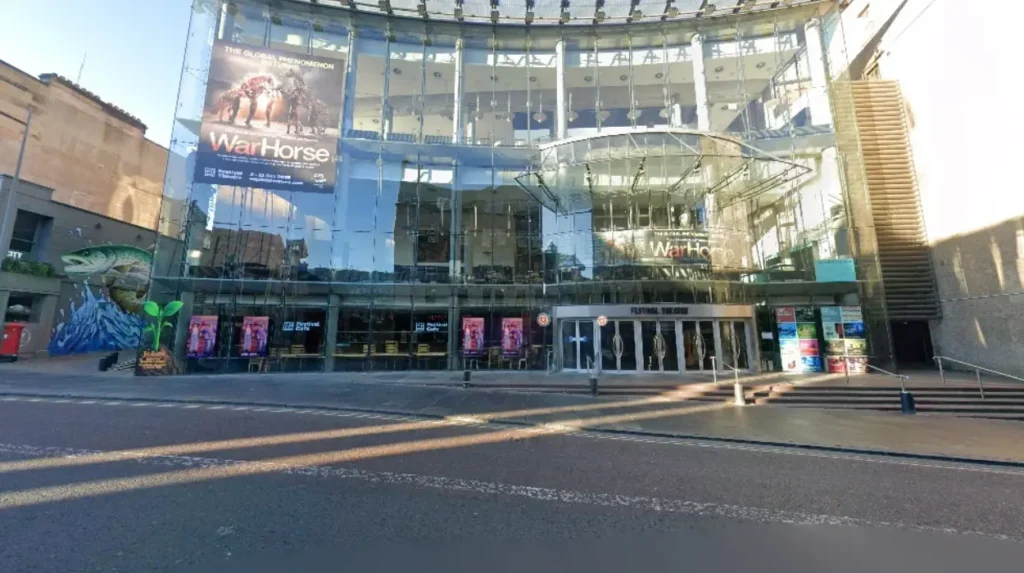
Edinburgh provides performing arts through venues like the Festival Theatre, the Usher Hall, and the Royal Lyceum Theatre. Visitors experience opera, orchestral concerts, theatrical plays, and traditional folk music performances throughout the year.
The Festival Theatre on Nicolson Street stands on Scotland’s oldest continuous theatre site, operating as a performance space since 1892. Rebuilt in 1994 with a glass facade, the theatre features a 1,919-seat auditorium and the largest stage capacity in Scotland. The venue serves as the primary Edinburgh performance base for Scottish Opera and Scottish Ballet, hosting large-scale international theatrical productions.
The Usher Hall, located on Lothian Road, serves as Edinburgh’s primary venue for classical music and symphonic performances. Opened in 1914 following a financial donation by distiller Andrew Usher, the venue features a circular layout and acoustic design suited for orchestral sound distribution. The hall acts as the primary residence for the Royal Scottish National Orchestra and hosts regular concerts by the Scottish Chamber Orchestra.
The Royal Lyceum Theatre presents professional drama productions from its Victorian auditorium built in 1883 by architects C.J. Phipps. The 658-seat theater produces classical revivals, modern drama, and original Scottish playwriting. The company focuses on developing native dramatic writing while providing theatrical adaptations of international literature for local audiences.
Traditional Scottish folk music performances take place in historic venues across the Old Town. Sandy Bell’s on Forrest Road and The Royal Oak on Infirmary Street host daily unamplified acoustic music sessions featuring fiddles, accordions, bagpipes, and guitars. These performances preserve native musical traditions, Gaelic vocal styles, and ballad performance practices dating back centuries.
The Queen’s Hall, converted from a 1823 chapel, offers an intimate 900-seat performance environment for chamber music, jazz, and acoustic ensembles. The venue maintains original Georgian interior architectural details, including timber pews and an organ installed by Wilhelm Sauer. The diverse programming ensures consistent access to live performing arts across musical genres throughout the year.
What Are the Essential Logistics and Planning Tips for Culture Lovers?
Planning a cultural trip to Edinburgh requires understanding transport networks, seasonal festival calendars, museum booking systems, and walking routes across uneven terrain.
Edinburgh Airport sits 8 miles west of the city center, connected by the Edinburgh Trams network and the Airlink 100 bus service. Trams transport passengers to Princes Street and St Andrew Square in 30 minutes, providing accessibility to major hotel districts and historic sites. Waverley Railway Station serves as the central rail terminus, connecting Edinburgh directly to London, Glasgow, and major British cultural destinations.
Navigating the historic center relies on walking, supplemented by Lothian Buses, the primary municipal bus operator. The Old Town features steep inclines, public staircases known as closes, and historic cobblestone pavements that require practical walking footwear. Visitors with mobility considerations can use low-floor public transport buses or taxi services to reach high-altitude sites such as Castle Rock.
National museums and public galleries offer free general admission, including the National Museum of Scotland, the Scottish National Gallery, and the Scottish National Portrait Gallery. Special temporary exhibitions within these institutions require paid tickets, which should be reserved online in advance. Historic Scotland and the Royal Collection Trust manage Edinburgh Castle and the Palace of Holyroodhouse, where timed-entry tickets prevent overcrowding.
Cultural travel planning varies based on the annual event calendar. August hosts the Edinburgh International Festival and the Edinburgh Festival Fringe, transforming the city into the world’s largest cultural gathering. Visitors planning trips during August must reserve accommodation six to twelve months in advance, whereas off-peak winter and spring months offer quiet access to major gallery collections and historic sites.
What is the best time of year to visit Edinburgh for a cultural weekend?
The best time to visit Edinburgh for a cultural weekend is during May, September, or October. These shoulder months offer mild weather, smaller crowds at major museums, and full access to historical sites. August provides the maximum density of live cultural events during the Edinburgh Festival Fringe, though accommodation prices and crowd levels increase significantly.
Are major cultural attractions in Edinburgh accessible on foot?
Yes, most major cultural attractions in Edinburgh are located within walking distance of the city center. The Old Town and New Town are adjacent districts separated by Princes Street Gardens. Visitors should note that the Old Town features steep hills, historic cobblestone streets, and outdoor stone staircases that require comfortable footwear and mobility planning.
Do you need to book tickets in advance for Edinburgh museums and castles?
Yes, advance online booking is highly recommended for major pay-to-enter historic sites such as Edinburgh Castle and the Palace of Holyroodhouse. National museums like the National Museum of Scotland and the Scottish National Gallery offer free general admission, but pre-booking timed-entry slots for special temporary exhibitions is advised during peak travel seasons.
How many days are needed to explore Edinburgh’s top cultural sites?
A minimum of two to three days is required to explore Edinburgh’s primary cultural sites without rushing. A two-day weekend itinerary allows visitors to cover the Royal Mile, Edinburgh Castle, the National Museum of Scotland, the Palace of Holyroodhouse, and the national art galleries located in the New Town.
Is the Edinburgh City Pass worth buying for a culture lover?
The Edinburgh City Pass can be worthwhile if you plan to visit multiple paid attractions and use public airport transit over a concentrated weekend. It covers entrance fees to select historic sites, guided walking tours, and transport options, offering financial savings for travelers focused on paid cultural experiences.