Key Points
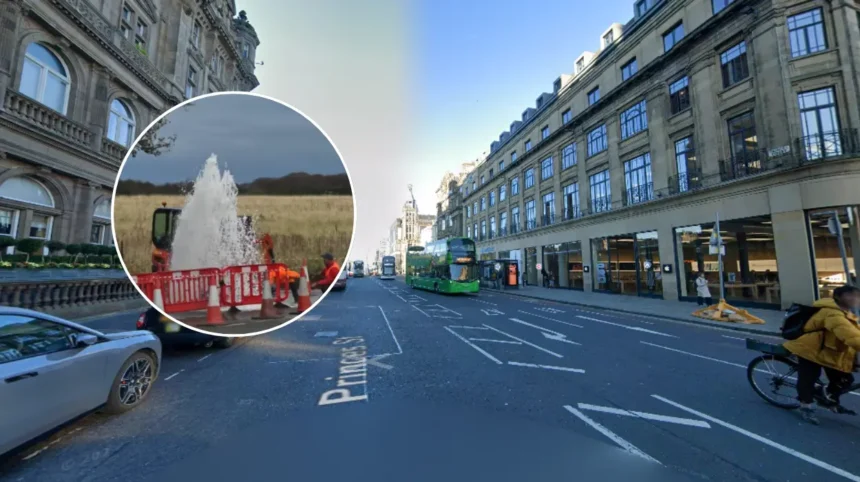
- A broken fire hydrant leaked thousands of litres of water, flooding a main road in East Lothian.
- Scottish Water and East Lothian Council dispatched emergency crews to shut off the broken valve and drain surface water.
- Traffic slowed significantly as drivers waded through water covering both lanes.
- Local households saw their water pressure temporarily drop during repair work.
East Lothian (Edinburgh Daily) November 6, 2026 – Emergency repair teams were deployed to a busy arterial route in East Lothian following reports that a damaged fire hydrant had burst open, sending vast quantities of water gushing onto the main road and rapidly inundating the surrounding carriageway.
Why Did the Fire Hydrant Break and Cause Road Flooding?
As reported by local reporters monitoring municipal infrastructure, the incident occurred during peak morning transit hours when a high-pressure fire hydrant connection failed along the roadside verge.
The mechanical failure released thousands of gallons of mains water directly onto the asphalt within minutes, quickly overflowing existing drainage gullies and spreading across both lanes of traffic. Emergency service vehicles and utility contractors were promptly alerted by passing commuters who noticed torrents of surface water obscuring the road surface.
As reported by Anna McAlinden of the East Lothian Courier, local authority spokespersons confirmed that emergency response teams were dispatched immediately to manage the scene, with municipal officials stating that “the volume and intensity of water put significant pressure on the drainage network, leading to standing water and localized flooding in some areas”.
How Did the Infrastructure Failure Impact Local Commuters and Residents?
The sudden rush of water created immediate hazards for drivers traveling along the main route. Vehicles were forced to slow to a crawl, with several cars attempting to navigate standing water that submerged curbs and breached adjacent footpaths.
Local police and highways personnel quickly set up temporary diversion routes and advisory signage to prevent vehicles from stalling in deeper sections of the floodwater.
As reported by Holly Lennon of STV News regarding regional water supply disruptions, utility engineers highlighted the operational impact on surrounding properties, with representatives from Scottish Water stating, “We would like to thank customers for their patience and understanding while these essential repairs are carried out and apologise for the inconvenience and disruption caused”.
Engineers from Scottish Water managed to isolate the affected section of the pipe network to stop the flow of water. Crews then began valve replacements and infrastructure repairs to restore normal water pressure to nearby homes and businesses while council teams cleared debris from blocked road gullies.
Background of Infrastructure and Hydrant Maintenance in East Lothian
Fire hydrants form a critical component of public safety infrastructure, connected directly to high-pressure municipal water mains to provide immediate water access for firefighting services. In East Lothian, routine maintenance and pressure testing are routinely conducted by utility authorities to ensure equipment remains operational under high pressure.
Mechanical failures in hydrants typically occur due to aged valve seals, physical impacts from road traffic, or sudden pressure surges within the distribution network. When an underground connection yields, the pressure can cause rapid surface flooding, requiring specialized utility teams to isolate supply zones without compromising local firefighting capabilities or broad residential water networks.
Predictions for Local Residents and Future Infrastructure Planning
This incident is expected to prompt increased inspection schedules across East Lothian’s municipal hydrant and water distribution networks to identify aging valves before failure occurs.
For local motorists and residents, the repair process will likely require temporary lane closures and resurfacing works on the affected road segment to repair water damage sustained by the asphalt base layer.
Community members in the immediate vicinity may also experience minor water clarity fluctuations as utility flows normalize, though service stability is projected to resume fully following final repairs.