Key Points
- Princess Sophie, the Duchess of Edinburgh, has arrived in Bangladesh for an official three-day visit.
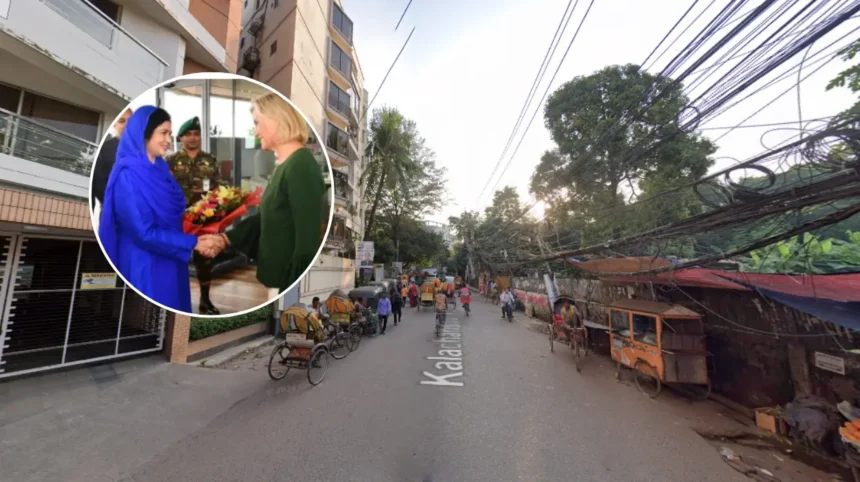
- She is scheduled to meet Dr Zubaida Rahman, wife of the Prime Minister, to discuss the welfare, protection, and empowerment of women and girls.
- Her schedule includes meetings with President Mirza Fakhrul Islam Alamgir, as well as visits to military training institutes, youth sports facilities, and the British Council.
- The Duchess will travel to Cox’s Bazar to inspect UK-funded aid and rehabilitation initiatives for displaced Rohingya refugees.
- The visit takes place at the request of the UK Foreign, Commonwealth and Development Office.
DHAKA (Edinburgh Daily) November 9, 2026 – The Duchess of Edinburgh has commenced an official high-level diplomatic visit to Bangladesh, where she is scheduled to hold key engagements, including calling on Dr Zubaida Rahman, spouse of the Prime Minister, to discuss bilateral humanitarian cooperation, community protection, and gender equality initiatives across the region.
As reported by royal communications correspondents of The Daily Star, official statements from Royal Communications confirmed that the Duchess of Edinburgh, Princess Sophie, arrived in the capital for a three-day official tour spanning 9 November to 11 November 2026. The visit has been undertaken at the specific request of the UK Foreign, Commonwealth and Development Office (FCDO) to deepen structural ties between London and Dhaka.
As reported by diplomatic affairs reporters of bdnews24.com, royal officials stated that “The Duchess will meet President Mirza Fakhrul Islam Alamgir and Dr Zubaida Rahman, to discuss shared interests in the welfare, protection and the empowerment of women and girls”.
The bilateral meeting with Dr Zubaida Rahman marks a significant milestone in advancing female-focused policy frameworks and diplomatic dialogue between both nations.
Why Is the Royal Tour Focus on Women and Girls Significant?
The primary diplomatic mandate of the Duchess’s itinerary centres upon reinforcing gender equality, education, and social safeguards for vulnerable groups. Her meeting with Dr Zubaida Rahman provides a formal venue to review existing humanitarian structures, joint education schemes, and community-led protection models.
Beyond executive dialogue in Dhaka, the diplomatic mission spans key security and development institutions. The Duchess is scheduled to inspect operations at the Bangladesh Institute of Peace Support Operation Training (BIPSOT) to observe the country’s military contributions to global United Nations peacekeeping missions.
Furthermore, the itinerary covers youth development and sports infrastructure. Princess Sophie will visit the Bangladesh Krira Shikkha Protishtan (BKSP) sports institute to engage with young athletes, with a specific focus on female hockey players pursuing professional athletic careers.
How Does the Visit Address the Rohingya Humanitarian Crisis?
A major component of the three-day itinerary involves a scheduled field visit to the refugee settlements located in Cox’s Bazar. The region hosts displaced Rohingya populations requiring ongoing international relief, healthcare support, and security provisions.
During her field assessment in Cox’s Bazar, the Duchess will inspect grassroots protection initiatives, rehabilitation centers, and educational projects operated by international aid agencies and funded through British humanitarian assistance.
As reported by foreign affairs correspondents of The Dhaka Tribune, diplomatic sources noted that “Sophie, the Duchess of Edinburgh, will arrive in Bangladesh on Monday on a three-day visit to strengthen Bangladesh-UK ties and highlight support for the Rohingya community”.
The schedule also highlights long-standing cultural and educational ties between the United Kingdom and Bangladesh. The Duchess will attend a commemorative event marking the 75th anniversary of the British Council’s operations in Bangladesh, celebrating decades of academic exchange and English language programmes.
Background of the Particular Development
The bilateral relationship between the United Kingdom and Bangladesh is built on historical ties, extensive trade links, and diplomatic cooperation within the Commonwealth of Nations. Royal engagements play a deliberate role in British public diplomacy, serving to highlight shared priorities in development, international security, and human rights.
Princess Sophie previously undertook an official visit to Bangladesh in 2017. Her return in 2026 follows a period of political transition and administrative updates within Bangladesh, during which both nations have sought to maintain continuity across key bilateral agreements.
The focus on female empowerment aligns directly with the Duchess’s long-standing advocacy work. For years, Princess Sophie has championed the UK’s Women, Peace and Security (WPS) agenda, alongside global campaigns aimed at preventing sexual violence in conflict zones and promoting accessible education for girls in developing nations.
Prediction: How This Development Can Affect the Particular Audience
This diplomatic initiative is expected to yield concrete policy and development outcomes for multiple key stakeholder groups across Bangladesh and the broader region:
- Displaced Rohingya Women and Vulnerable Refugee Families: High-level royal attention typically helps maintain international donor focus on Cox’s Bazar. Continued British aid commitment is expected to translate into sustained funding for frontline medical care, primary education, and gender-based violence prevention inside the refugee camps.
- Local Women and Girl Advocates: The high-profile discussions between the Duchess of Edinburgh and Dr Zubaida Rahman provide momentum for domestic non-governmental organisations and policymakers seeking to expand female literacy, healthcare infrastructure, and employment safeguards across urban and rural sectors.
- UK-Bangladesh Bilateral and Security Partners: Demonstrating strong high-level engagement reinforces bilateral cooperation in UN peacekeeping operations, trade partnerships, and cultural exchanges managed through institutions like the British Council.