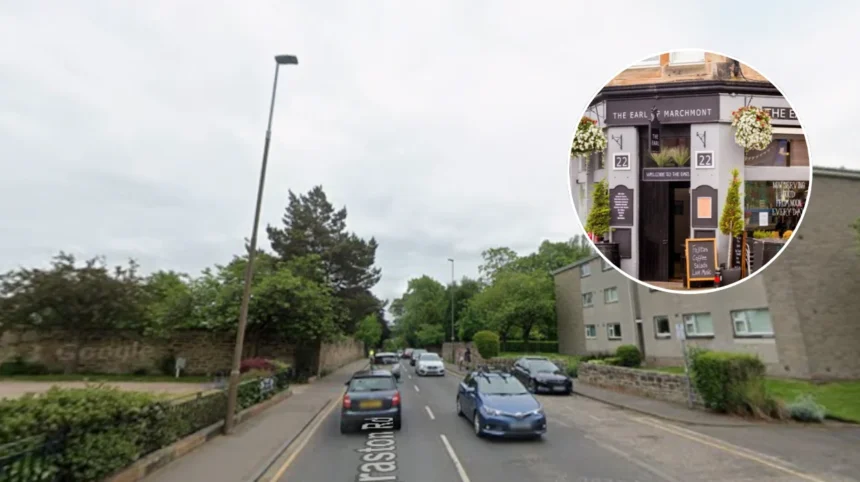
Marchmont Edinburgh stands as a vibrant residential haven just south of the city’s historic Old Town, blending Victorian elegance with modern student energy. This evergreen neighborhood offers endless appeal for locals, visitors, and those dreaming of calling it home, thanks to its leafy streets, cultural landmarks, and proximity to iconic green spaces.
- Rich History of Marchmont
- Architectural Marvels Defining the Neighborhood
- Vibrant Community and Demographics
- Proximity to The Meadows and Green Spaces
- Cultural Landmarks and Notable Residents
- Top Attractions and Things to Do
- Dining and Shopping Scene
- Property and Living in Marchmont
- Why Marchmont Endures as an Evergreen Destination
Rich History of Marchmont
Marchmont traces its roots to the mid-19th century, when rapid population growth in Edinburgh sparked a housing boom. Sir George Warrender, owner of Bruntsfield House and son-in-law to the 5th Earl of Marchmont, spearheaded its development as a planned middle-class suburb on what was once the Warrender Park estate. The name Marchmont itself honors Hugh Hume Campbell, the 5th Earl, linking back to ancient Brittonic origins meaning “the hill-pasture for horses” from the site of Roxburgh Castle.
Development accelerated in the 1870s and 1880s under architects like David Bryce, whose initial 1869 feuing plan envisioned terraced villas, though it evolved into uniform four- and five-story tenements by John Watherston & Sons. Early buildings featured pink sandstone in Scots Baronial style by Edward Calvert, while later ones used blonde sandstone in simpler designs by Hippolyte Blanc and others. Originally alcohol-free to maintain respectability, the area preserved its character, earning conservation area status in 1987, later expanded in 1996 to encompass the Meadows and Bruntsfield Links.
This planned layout reflected Edinburgh’s industrial-era expansion, transforming marshy lands north of the area—once Burgh Loch—into the verdant Meadows through 19th-century civic efforts. Today, that historical foresight ensures Marchmont remains a preserved slice of Victorian Edinburgh, immune to much modern alteration.
Architectural Marvels Defining the Neighborhood
Marchmont’s architecture captivates with its cohesive Victorian tenements, mostly four- to five-stories tall, showcasing Scots Baronial influences like crow-stepped gables and ornate cornicing. Streets like Marchmont Road and Thirlestane Street boast pink and blonde sandstone facades, a testament to the era’s craftsmanship. Key landmarks include the neo-Jacobean Warrender Baths on Thirlestane Road, opened in 1887 with its mosaic tiles and Category B listing, offering a glimpse into public leisure history.
Dominating the skyline south of Marchmont is Marchmont St Giles Church, designed by city architect Robert Morham and opened in 1871, its spire a south Edinburgh icon replacing an earlier iron structure. James Gillespie’s High School, on Lauderdale Street since the 1960s, incorporates refurbished Bruntsfield House, Sir George Warrender’s original villa, blending old and new after a 2016 rebuild.
Street names weave personal history: Thirlestane and Lauderdale honor Warrender’s mother from Thirlestane Castle, while Spottiswoode nods to family ties, and Arden references the Earl of Haddington. These elements create a visually harmonious district, ideal for architecture enthusiasts wandering its drumlin ridges.
Vibrant Community and Demographics
Marchmont buzzes with a diverse mix of older residents, young professionals, and students drawn to its city-center proximity. Popular with University of Edinburgh and Napier students—many in third or fourth-year undergrad or postgrad—it’s a hub for 15,000 university staff too, fostering a youthful vibe tempered by established families. Property prices reflect desirability, though tensions arise between permanent dwellers and short-term renters, as seen in 2005 campaigns by MAGPIE for HMO limits.
Demographics show high education levels, with over 58% degree-educated in spots like Marchmont Road, and a gender skew toward women at 62% in some wards. Ethnic diversity includes predominantly White residents alongside small Asian, Mixed, and other groups, with 64% UK-born—below national averages due to international students. Recent infrastructure like Scottish Water’s 2022-2025 sewer upgrade enhances flood resilience, supporting community growth.
This blend yields a lively social fabric, evident in local groups preserving the area’s charm amid Edinburgh’s evolution.
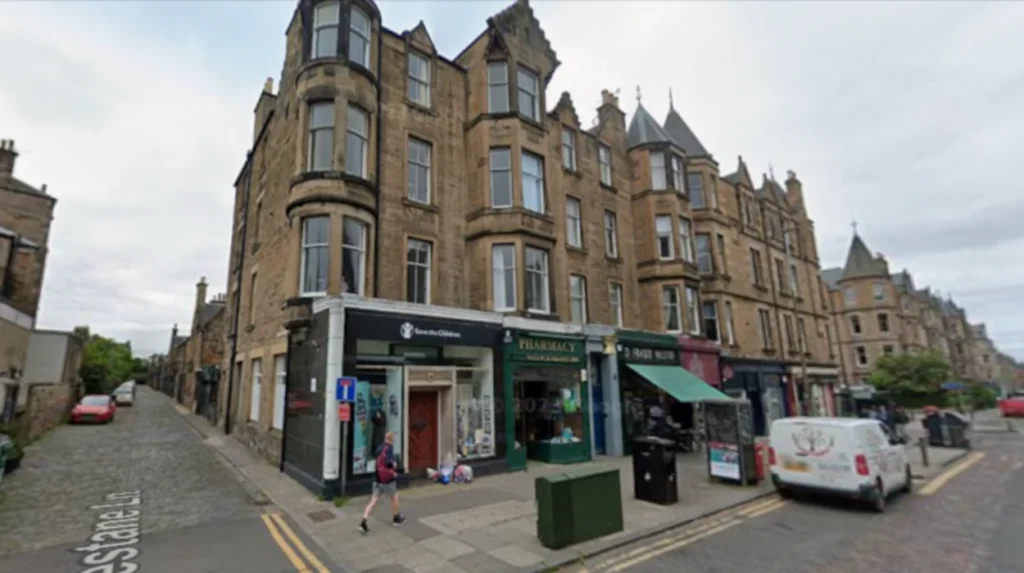
Proximity to The Meadows and Green Spaces
No exploration of Marchmont omits The Meadows, the expansive park separating it from the Old Town, perfect for morning walks, yoga, or cherry blossom viewing in May. Formed from drained Burgh Loch, it features paths like Middle Meadow Walk, established in the 18th century, and Melville Drive from 1858. Offering Arthur’s Seat vistas, it’s a haven for runners, families, and dog walkers, embodying Marchmont’s outdoor lifestyle.
Bruntsfield Links to the west adds golfing heritage, while nearby drumlin ridges enhance scenic strolls. These spaces not only buffer urban hustle but elevate Marchmont’s appeal as a green oasis minutes from Princes Street.
Cultural Landmarks and Notable Residents
Marchmont’s cultural cachet shines through famous former homes. Comedian Ronnie Corbett grew up at 55 Marchmont Crescent; WWII hero General Stanisław Maczek resided at 16 Arden Street until 1994, honored by a nearby path. Crime writer Ian Rankin lived on Arden Street—home to his fictional detective Rebus—before 2003; J.K. Rowling stayed briefly at 140 Marchmont Road in 1993, now plaque-marked.
Literary ties extend to Muriel Spark’s The Prime of Miss Jean Brodie, inspired by James Gillespie’s High School, and Alexander McCall Smith’s Pat McGregor on Spottiswoode Street. Warrender Baths and Marchmont St Giles further enrich this heritage, hosting community events that keep history alive.
Top Attractions and Things to Do
Wander Marchmont Crescent for Doodles cafe or Eddie’s Seafood Market, savoring local flavors near Red Box. Explore tenement-lined streets, pop into independent shops, or relax in Warrender Park. Day trips hit Edinburgh Castle, Royal Mile, or Arthur’s Seat, all walkable via The Meadows.
Fitness at Warrender Baths or school events at James Gillespie’s add variety. Bike or hike via Komoot routes around Marchmont and Sciennes for top sights. Foodies love cozy eateries; culture seekers visit churches or plaques tracing literary ghosts.
Dining and Shopping Scene
Marchmont thrives on independents: bakeries, cafes, and seafood spots like Eddie’s draw crowds. No alcohol ban now means pubs complement tenement-ground-floor shops. Proximity to Bruntsfield expands options, from farm-to-table to ethnic eats, suiting students and pros.
Shopping favors boutiques over chains, with Warrender Park Terrace markets offering artisanal finds. It’s a foodie’s delight, blending everyday convenience with Edinburgh’s culinary edge.
Property and Living in Marchmont
High demand drives premium prices for spacious tenements ideal for HMOs or families. Students favor it for university walks; professionals for amenities. Recent sewer works ensure modern living standards. Conservation rules preserve value, making it a smart long-term investment amid Edinburgh’s boom.
Why Marchmont Endures as an Evergreen Destination
Marchmont Edinburgh masterfully balances heritage, vibrancy, and accessibility, from Victorian stones to Meadows tranquility. Whether tracing Rowling’s steps, picnicking under cherry blossoms, or diving into local lore, it captivates year-round. This southside sanctuary invites endless discovery, securing its place in Scotland’s heart.