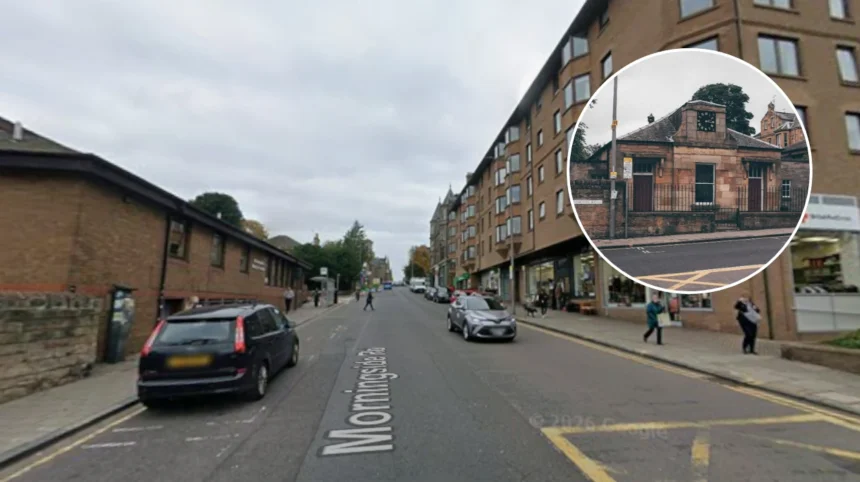
Morningside, Edinburgh, stands as one of the city’s most cherished residential enclaves, blending historic charm with modern vibrancy. This affluent suburb south of the city center offers a unique glimpse into Edinburgh’s evolution, attracting residents and visitors alike with its tree-lined streets and cultural depth.
Origins on the Burgh Muir
Nestled on the fringes of what was once the expansive Burgh Muir, Morningside traces its roots to the 12th century when King David I gifted this common land to Edinburgh. The area began as a modest agricultural village, supporting nearby farms and estates like Canaan, Egypt, and Plewlands, which dotted the landscape. By the late 16th century, the town council had feued the western portion of the muir to fund recovery from the devastating plague of 1585, laying the groundwork for gradual settlement.
This feued land transformed slowly into a cluster of thatched cottages, a blacksmith’s forge, and tree-shaded paths, as depicted in early maps like Richard Cooper’s 1759 plan of Edinburgh and its environs. Morningside’s position along the principal drove road from southern farms into the city made it a vital stop for livestock traders, fostering an economy tied to rural life. Historical accounts describe it as a distinct “Morning Side” entity, separate from larger estates, evoking a pastoral idyll amid Edinburgh’s urban sprawl.
As the 18th century waned, whispers of expansion stirred. The village’s elevation and fresh air appealed to those seeking respite from the city’s smoke-filled tenements. This quiet beginnings set the stage for Morningside’s rise as a desirable suburb, where farmland gave way to elegant homes.
Victorian Suburban Boom
The 19th century marked Morningside’s metamorphosis into a prosperous residential haven. Wealthy Edinburgh citizens, drawn by its salubrious setting overlooking the Braid Hills, subdivided nearby estates to erect grand villas and mansion houses on generous plots. By the 1850s, the street pattern familiar today—anchored by Morningside Road—had taken shape, reflecting Victorian ideals of spacious living and garden retreats.
Railway development accelerated this growth. The Edinburgh Suburban and South Side Junction Railway opened in 1885, linking Morningside Road Station to Waverley Station and facilitating passenger and freight transport, including coal and livestock to Maxwell Street’s goods yard. This connectivity spurred further development, notably the Braid Estate in the 1890s around Nile Grove, Cluny Avenue, and Cluny Drive, where terraced housing blended seamlessly with the landscape.
Churches, schools, a public library, cinema, and ballroom emerged by the early 20th century, cementing Morningside’s status. The suburb’s architecture, characterized by sturdy sandstone tenements and Arts and Crafts influences, embodies this era’s optimism. Today, these structures stand as testaments to a time when Morningside symbolized upward mobility for Edinburgh’s professional class.
Architectural Gems and Landmarks
Morningside’s built heritage captivates with diversity. Dominating the skyline is the Royal Edinburgh Hospital, originally the Edinburgh Lunatic Asylum, founded in 1809 by physician Andrew Duncan on purchased Morningside land. Funded in 1806 and opened in 1813 under royal charter for fee-paying patients, it later admitted the poor in 1842 and absorbed Bedlam Asylum’s residents in 1844. Renamed in 1922, it pioneered mental health care, with a 1965 clinic honoring Duncan.
Christ Church on Morningside Road, a Category A-listed Episcopal gem completed in 1876, showcases Gothic Revival splendor with its spire piercing the heavens. Designed by architect Hippolyte Blanc, its interior features intricate stained glass and carved stonework, drawing worshippers and architecture enthusiasts. Nearby, the former Morningside Library, now a community hub, reflects Edwardian Baroque style from 1908.
Villas along Canaan Lane and Cluny Drive exemplify Victorian and Edwardian opulence, with bay windows, turrets, and manicured gardens. The Braid Hills Hotel, perched high, offers panoramic views and nods to the area’s golfing heritage. These landmarks not only define Morningside’s aesthetic but also preserve its narrative of progress and philanthropy.
Green Spaces and Natural Beauty
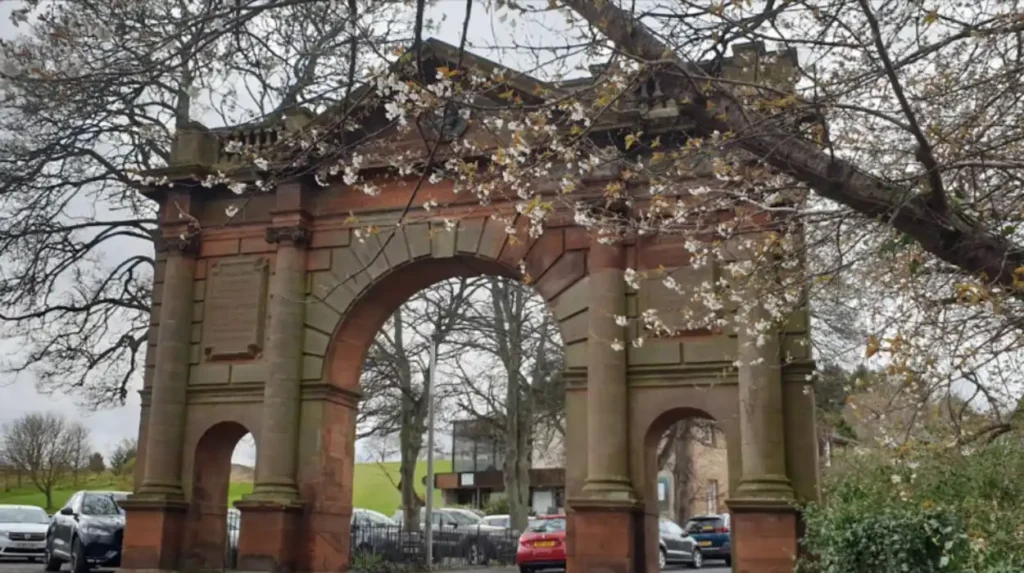
Morningside’s allure lies partly in its embrace of nature. The Braid Burn winds through the suburb, feeding into community greenways that invite leisurely strolls. Bordering the area, the Braid Hills form a natural amphitheater, their slopes managed by the Braid Hills Golf Courses—among Scotland’s oldest, dating to 1891 and favored by locals for their challenging fairways and sweeping city vistas.
Hermitage of Braid, a lush glen just east, encompasses 37 hectares of woodland owned by the Royal Society for the Protection of Birds. Paths meander past the 18th-century Hermitage House, once home to lawyer Thomas Hutcheson, revealing wild garlic carpets in spring and birdlife year-round. To the west, Craiglockhart Hill provides hiking trails with fossil-strewn outcrops, linking to the Pentland Hills Regional Park.
These spaces foster biodiversity and recreation, from birdwatching to picnics. Morningside residents cherish this green buffer, which tempers urban life with tranquility. In an era of climate awareness, these areas underscore the suburb’s sustainable legacy, where conservation efforts protect ancient hedgerows and native flora.
A Hub of Independent Commerce
Morningside Road pulses as the commercial heart, lined with family-run shops, cafes, and boutiques that resist chain dominance. Renowned for its “village feel,” the street hosts delis stocking Scottish cheeses and smoked salmon, alongside artisanal bakers offering sourdough and Eccles cakes. Coffee houses like Urban Angel brew ethically sourced beans, drawing crowds for brunch amid exposed brick and hanging plants.
Antique emporiums and bookstores, such as Dominic Lewis, curate rare tomes on Scottish history, appealing to bibliophiles. Florists display seasonal blooms from local growers, while butchers like L.A. Hunter provide prime cuts since 1964. This independent ethos supports a creative economy, with galleries showcasing contemporary Scottish artists.
Seasonal markets amplify this vibrancy. The Morningside Farmers’ Market, held bi-weekly, features organic produce, handmade crafts, and live music, strengthening community ties. Evening strollers encounter pop-up events and street performers, blending commerce with culture in a quintessentially Edinburgh way.
Culinary Delights for Every Palate
Food in Morningside elevates the everyday. Fine dining shines at places like The Witchery by the Castle—though slightly north—while local stars include Namaste Susie, fusing Indian and Scottish flavors in a cozy nook. Casual eateries like Cafe St Honoré serve modern Scottish fare, emphasizing hyper-local ingredients like Orkney beef and Hebridean seafood.
Bakeries dominate mornings: Peter’s Yard crafts rye loaves with Nordic precision, paired with strong coffee. For sweets, Patisserie Florentin tempts with French pastries and afternoon tea. Pubs such as The Cumberland Bar pour cask ales beside hearty platters of haggis and neeps, evoking traditional warmth.
Health-conscious options abound, from vegan spots offering avocado toast to juice bars pressing fresh apples from nearby orchards. This diversity caters to families, professionals, and tourists, positioning Morningside as a gastronomic gem. Chefs here innovate respectfully, honoring Scotland’s larder while embracing global influences.
Cultural and Community Life
Morningside thrives on active citizenship. The Morningside Community Council, rooted in local governance, advocates for heritage preservation and green initiatives. Annual events like the Morningside Festival celebrate with street fairs, music, and historical reenactments, drawing thousands.
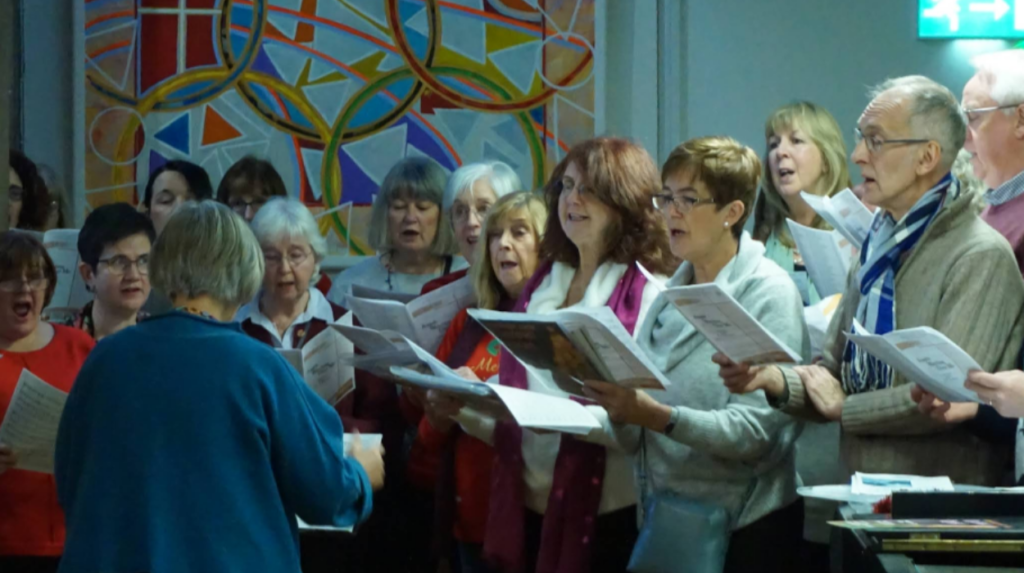
Schools such as Morningside Primary and James Gillespie’s High foster excellence, with Victorian redoubts like South Morningside School blending tradition and tech. Churches host concerts; Christ Church’s choir rivals professionals. Libraries and theaters, including the King’s Theatre nearby, stage plays and pantomimes.
Sports knit the fabric: Bowling clubs on the Braid Hills host leagues, while tennis courts buzz in summer. Book groups and art classes flourish in community centers. This engagement ensures Morningside remains a living tapestry, where history informs present-day passions.
Property and Lifestyle Appeal
Morningside’s real estate commands premium prices, reflecting its desirability. Victorian tenements with ornate cornicing average £500,000 for flats, while detached villas exceed £1.5 million. Buyers seek period features like high ceilings and fireplaces alongside modern extensions.
The lifestyle suits professionals commuting via efficient buses to Waverley or the tram network. Families appreciate low crime, top schools, and playgrounds. Young creatives flock to cafes for remote work, fueled by reliable broadband. Proximity to the University of Edinburgh adds academic buzz.
Sustainability grows: Electric vehicle chargers dot streets, and cycling paths link to Holyrood Park. This blend of heritage and forward-thinking makes Morningside a magnet for discerning dwellers.
Navigating Morningside Today
Getting around is effortless. Lothian Buses 5, 38, and 41 connect to Princes Street in 15 minutes. Morningside Road Station, though freight-focused historically, inspires walks to Blackford Hill Observatory. Cycling the Quiet Routes network offers scenic commutes.
Parking challenges encourage car-free living, with car clubs filling gaps. For visitors, the Airlink 100 reaches Edinburgh Airport in 30 minutes. Exploring on foot reveals hidden closes and murals, rewarding the curious.
Lasting Legacy
Morningside endures as Edinburgh’s elegant southside jewel, where history whispers from every stone. Its evolution from rural outpost to cultured suburb inspires, offering timeless appeal. For those seeking authentic Scottish living, it delivers in spades.