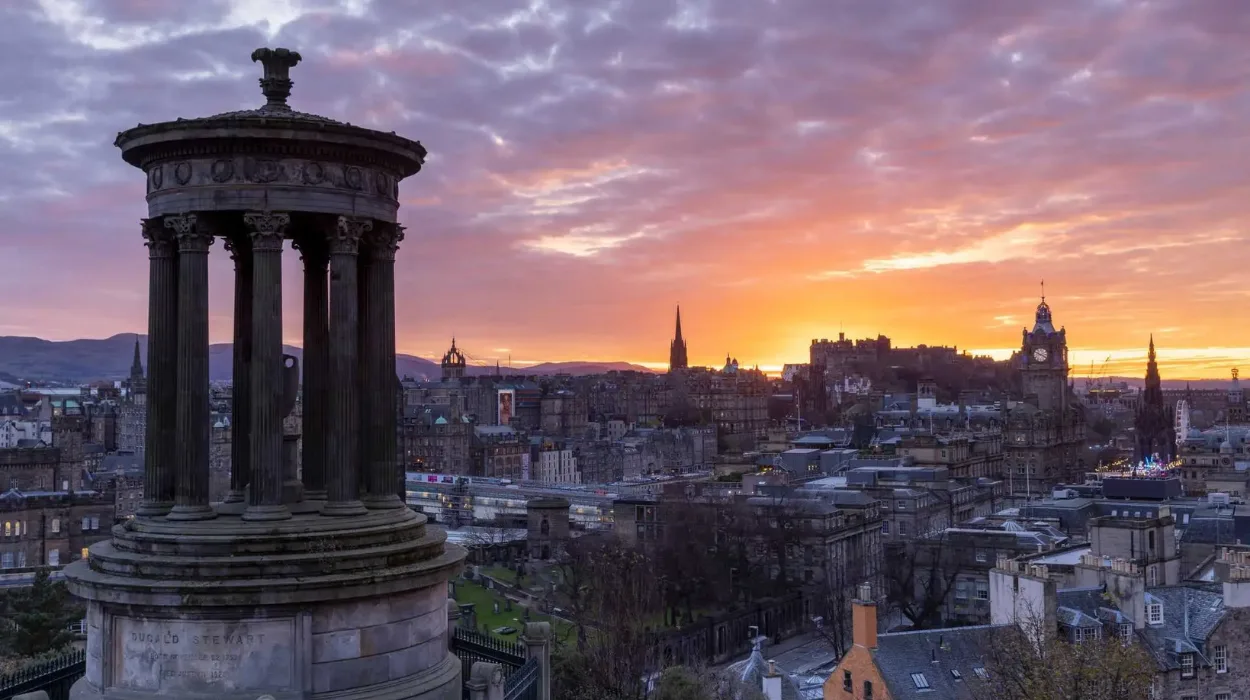
Edinburgh, perched atop ancient stormy gemstone conformations overlooking the Firth of Forth, embodies over 3,000 times of mortal history. From its neolithic roots to its status as a UNESCO World Heritage Site and ultramodern artistic hustler, the megacity has witnessed vital moments that shaped Scotland and told the world. crucial events from royal foundations and brutal wars to intellectual revolutions and cultural explosions reveal a flexible civic shade saved in its medieval wynds, Georgian sundecks, and vibrant carnivals.
Prehistoric Settlements and Early Foundations
The story begins in the Mesolithic period around 8500 BC, when huntsman- gatherers first exploited the rich coffers of the Edinburgh area. Archaeological digs at Cramond, on the props of the Firth of Forth, uncovered flint tools, shell middens, and substantiation of seasonal camps where communities gathered seafood, berries, and game from the rich creek. These early occupants navigated rising ocean situations post-Ice Age, establishing patterns of littoral agreement that persisted for glories.
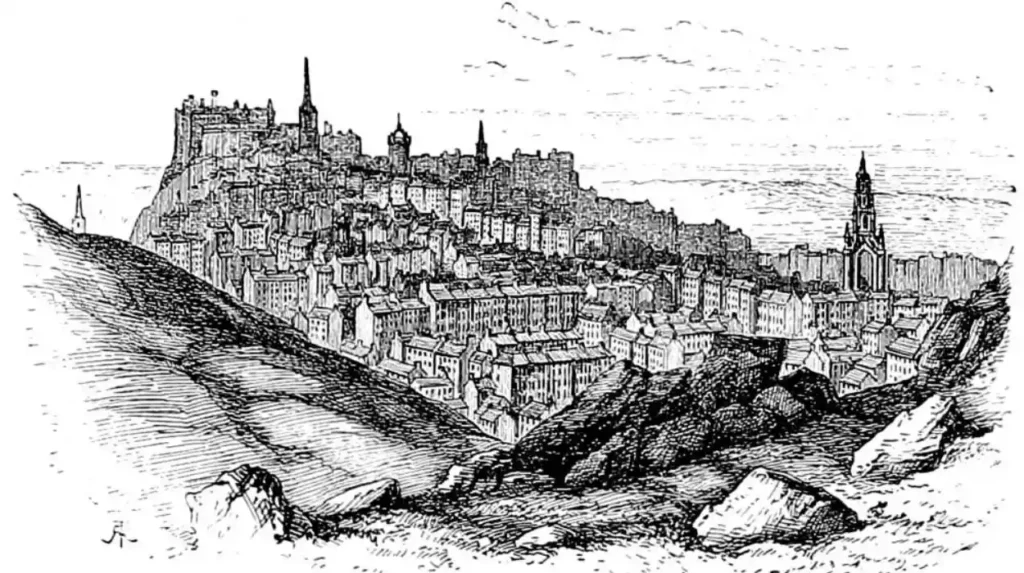
Transitioning into the Citation Age around 2000 BC, ritual cairns appeared on prominent milestones like Arthur’s Seat and Calton Hill. These gravestone burial mounds, aligned with solstices, suggest organized societies performing observances amid Scotland’s arising metalworking culture. By the Iron Age, circa 600 BC, the Votadini, a Celtic lineage, erected fortified hillforts on Castle Rock, Traprain Law, and the Pentland Hills. These structures featured timber- laced ramparts and La Tène- style vestiges, including ornate brands and brooches, indicating trade links across Britain and international Europe.
Roman expansion reached the region in the 1st century announcement under Agricola, who campaigned north of the Forth by 79 – 84 announcements. Legionaries constructed castles at Cramond( a force base for the Antonine Wall) and Inveresk, casing up to 500 dogfaces each. Crockery, coins, and stages to divinities like Jupiter reveal relations occasionally tense with original Votadini. Though Romans no way completely subdued the area, their presence introduced roads, estates, and Latin place names like” Carriden” from” Carractacus.” The pullout around 410 announcement left a power vacuum filled by Brythonic fiefdoms.
Birth of Din Eidyn and Medieval Emergence
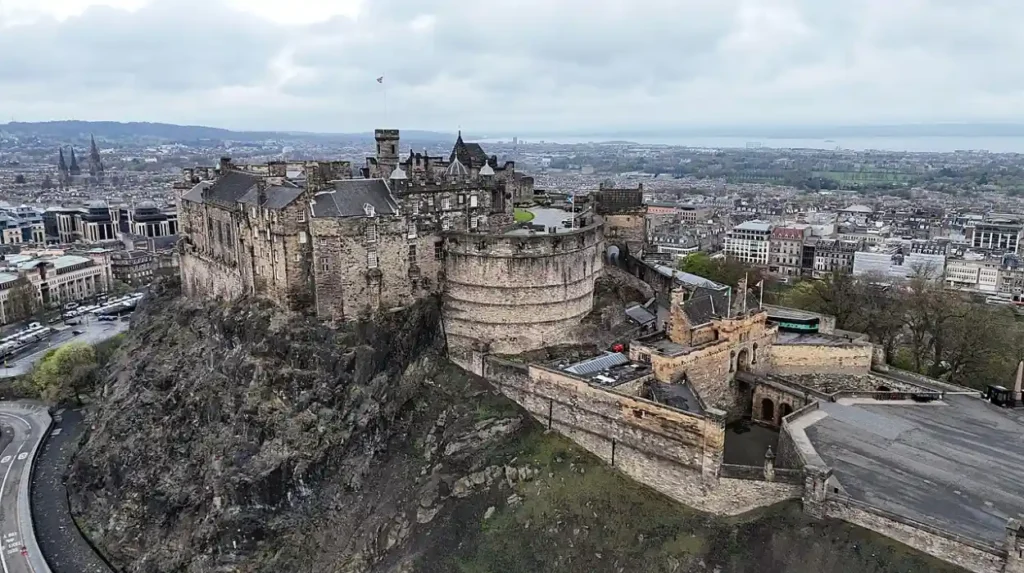
Around 600 announcements, the Gododdin area erected Din Eidyn, a strategic hillfort on Castle Rock, guarding Lothian passes. The 7th- century Welsh lyric Y Gododdin celebrates 300 soldiers feasting there before their doomed stage at the Battle of Catraeth( likely Catterick, Yorkshire), blending heroism with tragedy in early Brittonic literature. Northumbrian Angles under Oswald besieged and captured it in 638 announcement, renaming the point Edwinesburch after their king Edwin.
Control seesawed through the 8th – 10th centuries amid Pictish, Scottish, and Norse raids. By 854 announcement, chronicles note a church on the Rock, conceivably devoted to St. Cuthbert. Scottish King Indulf definitively seized Edinburgh from Northumbria around 960 announcement, integrating it into Alba. Malcolm II( r. 1005 – 1034) fortified it further, feting its protective scars and propinquity to rich plains.
David I( r. 1124 – 1153), a pious leftist, elevated Edinburgh to royal burgh status circa 1130, granting merchandisers” tofts” plots along an incipient High Street for requests and crafts. He innovated Holyrood Abbey in 1128 to house bones of the True Cross, spawning the Canongate burgh eastward. St. Margaret’s Tabernacle, arguably Scotland’s oldest structure( circa 1130), honors his mama , the expatriated English queen who introduced Norman customs. By 1170, a mint struck tableware pennies, and the castle hosted coronations like Malcolm IV’s in 1153.
Wars of Independence and Defensive Walls
The First War of Scottish Independence( 1296 – 1328) thrust Edinburgh into the limelight. Edward I’s 1296 siege captured the castle, which held the Black Rood and crown jewels. Thomas Randolph reclaimed it in 1314 after Bannockburn, spanning escarpments in an enterprising night assault. English forces regained it 1335 – 1341 under Edward III, egging David II’s rescue- rebuilt bastionspost-1357 Burnt Candlemas raid, when dears lit the downtime sky.
Flodden Field( 1513) catastrophe James IV and nobility burned protective vehemence. The Flodden Wall, constructed 1513 – 1560, stretched 1.2 long hauls, stood 24 bases high and 6 bases thick, enclosing 140 acres with six gates like Potterrow Port and Croft an- Righ. sloggers toiled amid fears of English irruption, using excavated sandstone that still stands in Grassmarket particles.
The Rough Wooing( 1543 – 1550) saw Hertford’s armies raze cities in 1544 and 1547, destroying Holyrood Abbey and killing thousands. Plague compounded straits the 1349 Black Death halved the crowd; 1498 – 1514’s 16- time outbreak was Europe’s longest; 1645’s scourge felled nearly half of 30,000 residers, with insulations on Burgh Muir and mass burials at Greyfriars Kirkyard.
Mary Queen of Scots and Reformation Fires
Mary Stuart’s 1561 entry into Edinburgh dazed with unqualified pageantry triumphal bends at West Port depicted her triumphs, while Tolbooth and Mercat Cross hosted tableaux of biblical merits. Holyrood Palace came after conspiracy’s center David Rizzio picked 56 times in her supper room( 1566); Henry Darnley exploded at Kirk o’ Field( 1567), gunpowder beneath his sickbed.
Leftist John Knox reviled against” the rascal multitude” at St. Giles’ in 1564, sparking screams where Jenny Geddes hurled her coprolite at the doyen. The 1560 Reformation Parliament abolished papal authority, banned millions, and embraced Protestantism. Mary’s adoption( 1567) after Carberry Hill led to castle sieges; her sympathizers surrendered 1573 after Lang Siege, starving amid cannon fire.
University of Edinburgh entered its duty in 1582 from James VI, with Robert Rollock speaking in a tolbooth by 1583. Early classes emphasized theology and drug, drawing Europe’s brightest amid Presbyterian connection.
Covenanters, Union Riots, and Jacobite Storms
17th- century Covenanters defied Charles I’s liturgy; the 1637 Jenny Geddes incident escalated to Bishops’ Wars. Cromwell’s 1650 siege slighted castle defenses, garrisoning 1,600 Parliamentarians. Restoration under Charles II saw episcopacy compactly revive, crushing thepost-1688 noble Revolution.
Acts of Union (1707) dissolved Scotland’s Parliament in Edinburgh amid fury, screams and burned structures; 96 desires reprobated treason. Porteous screams( 1736) lynched Captain Porteous for firing on bootleggers. Jacobite Risings gripped the megacity 1715 saw castle repel Argyll; 1745 Bonnie Prince Charlie entered unopposed( garrison fled to Arthur’s Seat), placarded his father at Mercat Cross, before retreating south, leaving Edinburgh scarred bypost-Culloden damages.
Prosecutions marked dogmatism: the last witch burned 1724( Lady Christian Dalyell); Thomas Aikenhead hanged 1697 for sacrilege, Britain’s final similar case.