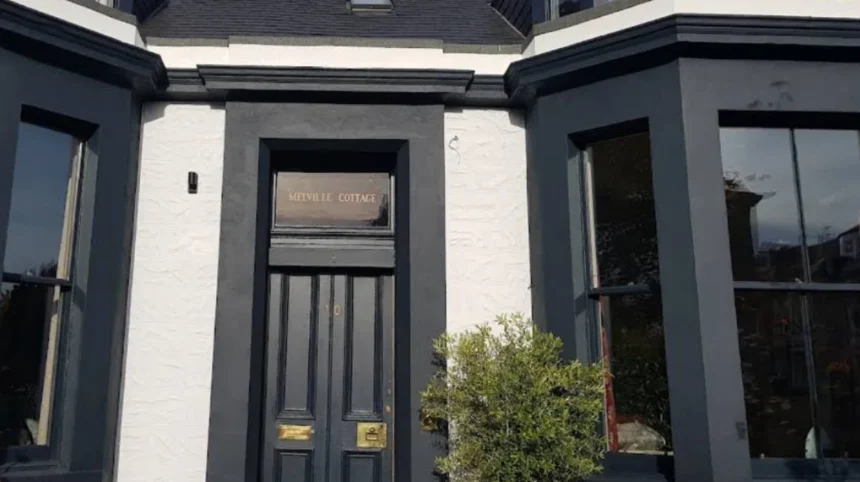
Exterior painting in Edinburgh refers to the application of specialized weather-resistant coatings onto the outer masonry, render, timber, and metal surfaces of residential and commercial properties situated across Scotland’s capital city to prevent atmospheric moisture damage and architectural degradation.
- What Are the Key Architectural Materials Used in Edinburgh Buildings?
- How Does Edinburgh Weather Impact Exterior Paint Durability?
- What Steps Are Required for Proper Exterior Paint Preparation?
- What Are the Best Paint Types for Historic and Modern Properties?
- What Are the Regulations for Exterior Painting in Edinburgh?
- How Much Does Professional Exterior Painting Cost in Edinburgh?
- Frequently Asked Questions
- What Is the Best Time of Year to Paint a Building Exterior in Edinburgh?
- Can You Paint Over Unpainted Sandstone on an Edinburgh Property?
- Do I Need Listed Building Consent to Repaint My Front Door in Edinburgh?
- How Long Does an Exterior Paint Job Last on an Edinburgh Property?
- How Do You Remove Mold and Algae Before Painting Exterior Walls?
Edinburgh properties face severe maritime climate challenges, including annual precipitation averages exceeding seven hundred millimeters and high levels of salt-laden air. Exterior paint functions as a protective barrier against continuous freeze-thaw cycles that expand micro-cracks within traditional stone and mortar joints. Historic structures built with porous Craigleith sandstone require specific breathable paint formulations to allow moisture vapor transmission while locking out liquid rain penetration. Neglecting exterior surface coatings leads to internal dampness, structural timber rot, and costly masonry repairs across Scottish property portfolios.
Proper surface preparation forms fifty percent of the total protection system efficiency on local buildings. Painting contractors must scrape away degraded existing coatings, treat biological growth like algae with fungicidal washes, and prime bare substrates before paint application. Historic Scotland guidelines stipulate that listed structures and properties within Edinburgh’s eleven conservation areas must maintain original aesthetic standards using breathable limewash or silicate paint systems. Applying modern non-breathable acrylic paints over traditional lime render traps water within the structural walls, accelerating masonry spalling and severe structural decay over winter months.
Substrate moisture content must remain below fifteen percent prior to applying any specialized liquid exterior coating system. Surface preparation requires complete stabilization of crumbling masonry through lime pointing repairs and stone consolidation mortars before painting begins. Modern silicone-based masonry paints offer water repellency alongside high vapor permeability, offering up to twenty years of protection against severe Scottish weather systems. Investing in routine professional exterior painting protects property valuation, reduces recurring maintenance costs, and preserves the architectural integrity of Edinburgh’s distinct urban heritage.
What Are the Key Architectural Materials Used in Edinburgh Buildings?
Edinburgh buildings primarily feature Craigleith and Hailes sandstone, lime-based render coatings known as harl, Scandinavian softwood joinery, and cast iron rainwater goods, all requiring unique chemical paint formulations and specific surface preparation strategies for durable adhesion.
Sandstone dominates the central historic areas like the Old Town and New Town, presenting extreme porosity that easily absorbs rainwater. Harled surfaces cover many suburban homes in regions such as Colinton and Morningside, providing a textured lime and aggregate shield that demands flexible exterior coatings. Timber components appear on traditional sash windows, fascia boards, and entrance doors, where moisture exposure causes swelling, warping, and peeling paint if untreated. Cast iron gutters, downpipes, and decorative railings suffer rapid oxidation and rust formation when exposed to Edinburgh coastal air environments.
Mineral paints and silicate-based coatings represent the optimal technical choice for raw or previously limewashed sandstone walls. Silicate paint forms a chemical bond directly with the mineral substrate, forming a durable silicate structure that never blisters or peels under thermal expansion. Softwood timber joinery requires micro-porous wood stains or flexible alkyd primers followed by durable exterior gloss or satin finishes designed for dynamic movement. Cast iron elements mandate complete wire-brushing to remove rust, followed by zinc-phosphate anti-corrosive primers and weather-resistant ironwork enamel coatings.
Selecting mismatched materials causes rapid coating failure within twelve to twenty-four months of original professional application. Modern synthetic masonry paint applied over traditional lime render blocks moisture movement, forcing water back into inner structural brick or stone layers. Professional painters evaluate the building epoch, existing substrate integrity, and historic classification before selecting matching chemical primers, undercoats, and topcoats. Correct material compatibility ensures maximum aesthetic appeal, extended maintenance intervals, and complete protection against aggressive atmospheric decay.
How Does Edinburgh Weather Impact Exterior Paint Durability?
Edinburgh weather impacts paint durability through continuous damp conditions, low average temperatures, high wind velocities, and extreme freeze-thaw cycles that cause rigid paint films to crack, flake, blister, and fail prematurely throughout the winter seasons.
The capital city experiences an average of one hundred and twenty-four rainy days each year, keeping external surfaces continually wet. Cold ambient temperatures during winter months prevent wet paint films from coalescing correctly, which impairs adhesion and shortens coating lifespans significantly. High winds blowing off the Firth of Forth drive salt spray and moisture deep into fine structural cracks, degrading standard decorative finishes. Freeze-thaw cycles occur when absorbed water freezes, expands by nine percent, and breaks the adhesion bond between paint coatings and solid masonry walls.
The operational window for exterior painting in Edinburgh stretches strictly from May through late September when ambient temperatures consistently exceed ten degrees Celsius. Relative humidity levels must remain under eighty percent during application and cure times to ensure proper solvent or water evaporation from the wet paint matrix. Rain falling within six hours of application causes latex wash-off and ruinous surface streaking across freshly painted exterior elevations. Surface temperature monitoring with infrared thermometer instruments prevents applying paints onto freezing or excessively solar-heated masonry substrates.
High-performance exterior paints incorporate flexible acrylic resins and elastomeric polymers that stretch and contract alongside seasonal temperature fluctuations. Silicate coatings offer higher thermal stability compared to conventional latex emulsions, avoiding surface cracking during rapid winter temperature shifts. UV radiation during summer months breaks down low-quality chemical paint binders, causing color fading and surface chalking over time. Selecting premium weather-tested paint formulations designed specifically for northern European maritime climates extends re-coating schedules from five years up to fifteen years.
What Steps Are Required for Proper Exterior Paint Preparation?
Proper exterior paint preparation requires high-pressure washing, scraping flaking paint, treating biological growth with fungicidal wash, repairing cracked masonry or rotted wood, and applying substrate-specific primers before any topcoats are applied onto the building.
Initial cleaning removes accumulated urban pollution, sea salt deposits, and grime using controlled pressure washing equipment set below one hundred bar to prevent stone damage. Biological contaminants including green algae, lichen, and black mold spores require application of industrial fungicidal solutions left to work for twenty-four hours before rinsing. Scraping away all loose, flaking, or degraded paint layers with mechanical sanders and hand scrapers establishes a stable underlying substrate foundation. Filling cracks in stone or render requires lime-based repair mortars matching the original density and breathability of the wall material.
Failing to remove underlying rot or moisture before painting seals structural problems inside the timber or stone assembly. Rotted joinery sections must be cut back to sound timber and repaired using two-part epoxy wood fillers or traditional timber splicing techniques. Sanding all glossy wood or metal surfaces creates a mechanical key necessary for new primer coats to form maximum mechanical adhesion bonds. Applying alkali-resistant primers over fresh mortar repairs prevents saponification, a process where natural lime salts break down wet paint resin matrices.
Masking window frames, glass, copper roof flashings, and adjacent paved walkways prevents overspray and accidental paint splatter damage during application processes. Professional painters spend roughly sixty percent of total project timeline schedules solely executing substrate preparation procedures before opening paint cans. Masking tapes must feature UV resistance and low-tack adhesives to prevent leaving residue or tearing fresh paint during removal. Thorough preparation guarantees that subsequent primer, undercoat, and protective topcoat applications adhere properly for their full engineered service life.
What Are the Best Paint Types for Historic and Modern Properties?
The best paint types for historic properties are silicate mineral paints and traditional limewashes due to high breathability, whereas modern properties benefit from advanced elastomeric acrylics and silicone-enhanced masonry coatings offering high elasticity.
Silicate mineral paints react chemically with mineral substrates like sandstone and lime render, creating a permanent, non-film-forming bond that allows ninety-five percent vapor permeability. Traditional limewash offers authentic historical aesthetics for Georgian and Victorian structures, absorbing water during storms and releasing it naturally through evaporation without trapping moisture. Modern properties built with concrete blocks, cement renders, and movement joints utilize elastomeric acrylic coatings that can bridge fine structural cracks up to two millimeters wide. Silicone-based masonry paints blend water resistance with breathability, shedding rain via the lotus-effect while allowing trapped moisture out.
| Property Classification | Preferred Paint System | Vapor Permeability | Average Service Lifespan | Key Application Benefit |
| Historic Sandstone | Silicate Mineral Paint | Extremely High | 15 – 20 Years | Chemical bond, zero peeling |
| Traditional Lime Render | Authentic Limewash | High | 3 – 5 Years | Historically accurate, fully breathable |
| Modern Cement Render | Elastomeric Acrylic | Moderate | 8 – 12 Years | Flexible, bridges structural hairline cracks |
| Timber Joinery | Microporous Alkyd | Moderate | 6 – 8 Years | Flexes with seasonal wood expansion |
| Cast Iron Railings | Zinc Phosphate Enamel | Low | 5 – 7 Years | High corrosion resistance, salt defense |
Selecting non-breathable vinyl or acrylic coatings for historical masonry represents a major cause of moisture entrapment and structural decay across older buildings. Modern synthetic finishes seal moisture inside soft historic stone, causing internal frost damage that spalls stone faces during Scottish winters. Modern timber frames perform best when coated with microporous stains or paints that allow wood to dry out while blocking external liquid water penetration. Matching paint chemistry strictly to property age and substrate construction guarantees long-term durability while preserving underlying structural integrity.
Consulting heritage specialists ensures compliance with strict local architectural preservation regulations enforced across listed Edinburgh districts. Modern silicone coatings feature self-cleaning technology where rainwater washes away airborne soot and traffic pollution automatically. Acrylic paints dry rapidly within two hours, making them useful for fast-changing Scottish weather patterns during summer operational periods. Balancing substrate chemistry, historical status, local weather factors, and aesthetic goals dictates the correct paint selection for every property type.
What Are the Regulations for Exterior Painting in Edinburgh?
Regulations for exterior painting in Edinburgh require Planning Permission or Listed Building Consent from The City of Edinburgh Council when altering paint colors or applying paint to unpainted historic masonry within conservation areas.
Edinburgh contains over forty-five hundred listed buildings and thirteen distinct conservation areas where strict statutory planning guidance governs external building modifications. Painting unpainted historic sandstone or brickwork is generally prohibited because it permanently alters historic character and harms natural masonry breathability. Changing paint colors on windows, doors, or render surfaces in listed buildings requires Listed Building Consent to ensure historical aesthetic harmony across streetscapes. Properties within World Heritage Sites like the Old and New Towns face stringent scrutiny regarding paint color palettes, gloss levels, and chemical compositions.
Unapproved painting work on listed buildings constitutes a criminal offense under Scottish planning legislation, leading to formal enforcement notices and mandatory restoration costs. Property owners must submit formal planning applications detailing exact paint manufacturer names, chemical formulations, and color swatches prior to beginning work. Maintenance work that repaints existing surfaces in the identical color and chemical paint type typically falls under permitted development rights and requires no formal application. Council planning guidelines encourage muted, historically accurate tones like off-whites, greys, and traditional earth pigments for residential elevations.
Working at height to paint exterior walls or roofs mandates strict compliance with the Work at Height Regulations 2005 enforced by the Health and Safety Executive. Scaffolding structures erected on public sidewalks or roads require formal scaffolding permits from The City of Edinburgh Council alongside pedestrian safety barriers. Professional contractors must carry comprehensive public liability insurance coverage of at least five million pounds when executing elevated exterior painting contracts. Following local municipal regulations prevents costly legal fines, project delays, and mandatory paint removal orders from statutory enforcement teams.
How Much Does Professional Exterior Painting Cost in Edinburgh?
Professional exterior painting costs in Edinburgh range from fifteen hundred pounds for a small terraced home up to eight thousand pounds for large multi-story tenement flats requiring complete scaffolding and specialist masonry repairs.
Cost factors include total building surface area, current substrate condition, material selection quality, and necessary access equipment like scaffolding or mobile elevated work platforms. A standard two-story detached house requires approximately three thousand to five thousand pounds for complete cleaning, preparation, priming, and two topcoats of premium paint. Tenement building repairs and painting carry higher costs due to complex scaffolding requirements over busy public footpaths and higher labor demands. Timber sash window repainting costs between one hundred and fifty and three hundred pounds per window depending on rot repair needs and glazing bar density.
Scaffolding setup costs represent roughly twenty to thirty percent of the overall budget on multi-story residential and commercial painting projects across urban streets. Labor rates for qualified professional painter and decorator tradespeople in Edinburgh average between two hundred and three hundred pounds per day per operative. High-performance silicate paints or specialized breathability coatings cost two to three times more per liter than standard trade acrylic masonry paints. Investing in higher upfront material quality and professional application yields lower long-term costs by extending re-coating schedules significantly.
Requesting itemized estimates from three fully insured local painting contractors helps property owners compare preparation methods, coating systems, and project timelines accurately. Estimates should explicitly detail surface washing procedures, repair mortar specifications, primer brands, topcoat coat numbers, and cleanup protocols. Homeowners should avoid overly cheap quotes that skimp on essential surface preparation or utilize low-grade non-breathable paint products on old stone. Quality exterior painting increases property valuation, improves curb appeal, and prevents expensive underlying structural moisture damage over time.
Frequently Asked Questions
What Is the Best Time of Year to Paint a Building Exterior in Edinburgh?
The optimal time for exterior painting in Edinburgh is between May and September. During these months, ambient temperatures consistently stay above ten degrees Celsius, and relative humidity remains low enough to allow proper paint adhesion and drying.
Can You Paint Over Unpainted Sandstone on an Edinburgh Property?
Painting over previously unpainted sandstone is strongly discouraged and often restricted by planning laws in Edinburgh’s conservation areas. Paint traps moisture inside porous sandstone, leading to severe frost spalling and irreversible structural damage over time.
Do I Need Listed Building Consent to Repaint My Front Door in Edinburgh?
If your property is listed, changing the color or finish of your front door typically requires Listed Building Consent from The City of Edinburgh Council. Repainting the door in the exact same color and finish usually does not require consent.
How Long Does an Exterior Paint Job Last on an Edinburgh Property?
A professionally applied exterior paint system lasts between eight and fifteen years depending on the material used. Silicate mineral paints on masonry last up to twenty years, whereas traditional timber coatings typically require repainting every five to seven years.
How Do You Remove Mold and Algae Before Painting Exterior Walls?
Algae and mold are removed by applying an industrial fungicidal wash across the entire surface and leaving it to penetrate for twenty-four hours. The surface is then gently scrubbed and washed down with clean water to eliminate all active spores before priming.