Edinburgh Castle has occupied its dramatic perch on Castle Rock for over 3,000 years, with evidence of human activity dating back to the Bronze Age and Iron Age. The first documented royal castle emerged around 1093 during the reign of Malcolm III Canmore, while St Margaret’s Chapel—the oldest surviving structure—dates to circa 1130.
- Why Edinburgh Castle’s Age Matters to Local Residents
- Historical Timeline of Edinburgh Castle
- Architectural Evolution and Surviving Structures
- Step-by-Step Guide to Verifying the Castle’s Age
- Which Council Service Handles Castle Information
- Information or Documents Needed for Research
- Expected Response Time for Enquiries
- What to Do if Follow-Up is Required
- Rights and Responsibilities Under UK Heritage Rules
- Practical Tips to Avoid Misinformation on the Castle’s Age
- The Castle’s Role in Edinburgh’s Community Today
- Visiting Tips for Local Residents
- Broader Historical Significance
Why Edinburgh Castle’s Age Matters to Local Residents
For residents of Balerno, Bruntsfield, Calton Hill, Colinton, Corstorphine, Currie, Dean Village, Duddingston, Edinburgh Council areas, and Grassmarket, understanding how old is Edinburgh Castle deepens appreciation of their surroundings. This iconic landmark shapes daily life, from the bustle of tourists in Grassmarket to the views from Calton Hill.
The castle’s ancient origins connect locals to Scotland’s heritage, influencing property values, tourism jobs, and community pride in areas like Bruntsfield and Dean Village. Edinburgh Daily News highlights how such history fosters a sense of belonging for families in Corstorphine and Duddingston.
Preservation efforts ensure this shared legacy endures, benefiting everyone from commuters in Currie to walkers in Colinton.
Historical Timeline of Edinburgh Castle
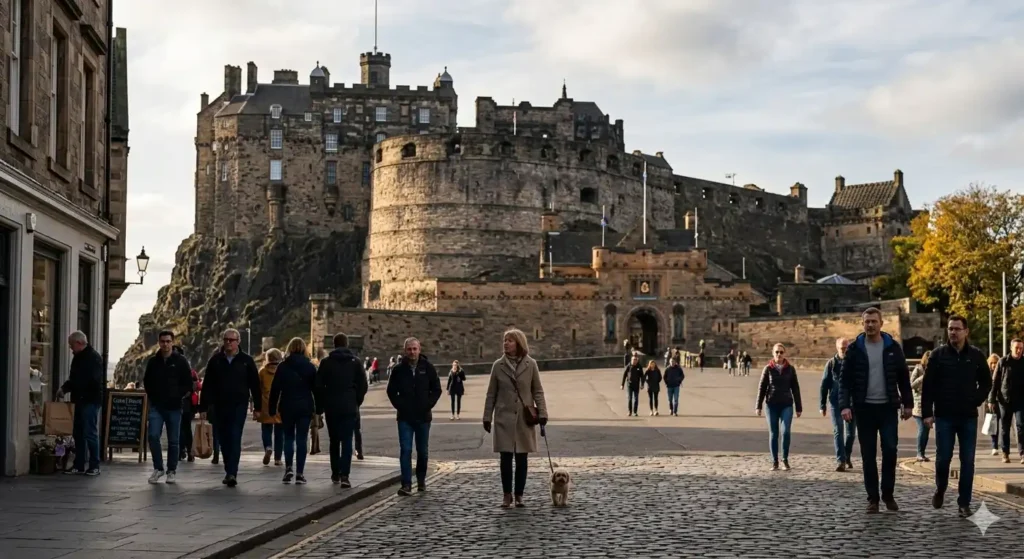
Edinburgh Castle’s story spans millennia, making “how old is Edinburgh Castle” a question of layers rather than a single date. Archaeological finds reveal Bronze Age use around 1000 BC, with Iron Age hillforts by the 2nd century AD.
By the 11th century, Malcolm III established it as a royal stronghold, though timber structures left little trace. David I’s stone chapel in 1130 marked the shift to enduring architecture, surviving sieges and rebuilds.
The castle evolved through Wars of Independence, Renaissance expansions under James IV, and later military roles, embodying over 900 years of continuous occupation.
Architectural Evolution and Surviving Structures
Little pre-16th century fabric remains due to repeated destruction, but key elements reveal the castle’s age. St Margaret’s Chapel, built around 1130, stands as Edinburgh’s oldest building, its simple Romanesque design intact.
James IV’s Great Hall (completed 1512) showcases Renaissance hammerbeam roofing from Norwegian oak, while 19th-century restorations added Victoria-era grandeur. These phases illustrate how the site has adapted over centuries.
For local residents, exploring these layers offers a tangible link to history, whether hiking from Balerno or strolling Dean Village.
Step-by-Step Guide to Verifying the Castle’s Age
Curious locals can confirm how old is Edinburgh Castle through reliable sources. First, visit the official Historic Environment Scotland site or castle displays for timelines backed by excavations.
Next, cross-reference with Edinburgh Daily News archives or local libraries in Bruntsfield and Corstorphine for contextual articles. Join guided tours from Grassmarket to hear expert insights on archaeological phases.
Finally, consult academic resources like Britannica for peer-reviewed dates, ensuring accuracy beyond tourist pamphlets.
- Review primary sources: Castle signage and official guides.
- Compare excavations: Bronze Age to medieval findings.
- Note milestones: 1130 chapel as the fixed starting point for structures.
Which Council Service Handles Castle Information
Edinburgh Council supports heritage queries through its Culture and Communities service, which promotes sites like the castle. While Historic Environment Scotland manages the site directly, the council provides local context via planning archives.
Residents in Duddingston or Currie can contact community development teams for educational materials. Edinburgh Daily News often liaises with these services for accurate reporting on local landmarks.
This collaboration ensures information on how old is Edinburgh Castle reaches all neighbourhoods, from Calton Hill to Colinton.
Information or Documents Needed for Research
No formal documents are required for basic enquiries, but locals researching deeply should gather timelines from castle visits. Photos of plaques or brochures from Dean Village tours serve as personal records.
For school projects in Balerno or community talks in Grassmarket, request free heritage packs from Edinburgh Council libraries. Official histories from Historic Environment Scotland outline excavation reports without needing ID.
Keep notes on key dates: 3000+ years occupation, 1130 chapel, to share with fellow residents.
Expected Response Time for Enquiries
Council heritage desks typically respond within 10 working days to emailed queries about local history. On-site castle information desks offer immediate answers during opening hours.
Edinburgh Daily News reports swift replies from tourism boards, ideal for urgent facts on how old is Edinburgh Castle. Volunteers in Bruntsfield events provide same-day insights.
Patience yields detailed responses, enriching knowledge for Corstorphine families.
What to Do if Follow-Up is Required
If initial council replies lack depth, resubmit with specific questions like “excavation dates for Castle Rock.” Reference prior correspondence for priority.
Escalate to Historic Environment Scotland’s education team for archaeological specifics. Local history groups in Currie and Duddingston host Q&A sessions for persistent queries.
Document all steps to build a clear record, aiding neighbours in Colinton.
Rights and Responsibilities Under UK Heritage Rules
Under the Ancient Monuments and Archaeological Areas Act 1979, locals have rights to access public heritage information without charge. Responsibilities include respecting site rules to protect structures over 900 years old.
UK law mandates accurate representation of sites like Edinburgh Castle, avoiding misinformation. Residents enjoy freedom to study and share facts, balanced by duties to preserve for future generations in Grassmarket and beyond.
Edinburgh Council upholds these via transparent procedures.
Practical Tips to Avoid Misinformation on the Castle’s Age
Rely on verified sources like Historic Environment Scotland over uncredited blogs when asking how old is Edinburgh Castle. Cross-check claims against multiple timelines from Edinburgh Daily News.
Discuss with community groups in Dean Village to spot common myths, such as pinpointing a “build date” instead of phased occupation.
Visit annually from Balerno trails to stay informed, fostering accurate local pride.
The Castle’s Role in Edinburgh’s Community Today
For residents across Calton Hill, Bruntsfield, and Currie, the castle symbolises resilience, hosting events that unite neighbourhoods. Its age—spanning 3,000 years—inspires festivals drawing locals from Corstorphine.
Edinburgh Council integrates it into urban planning, ensuring views from Colinton remain unobstructed. This living history enhances daily life in Duddingston and Grassmarket.
Understanding its timeline empowers residents to champion preservation.

Visiting Tips for Local Residents
Plan off-peak visits from Bruntsfield to avoid crowds, focusing on the chapel for a glimpse of 12th-century origins. Free resident discounts via Edinburgh Council passes ease access for Balerno families.
Combine with Grassmarket markets for a full day, noting how the castle’s elevated position has guarded the city for centuries. Share photos responsibly to promote accurate history.
Broader Historical Significance
Edinburgh Castle’s endurance through 26 sieges underscores its strategic age and importance. From David I’s foundations to modern custodianship, it mirrors Scotland’s story.
Local residents benefit from UNESCO World Heritage status, boosting economies in Dean Village and Currie. Edinburgh Daily News covers these links regularly.
Grasping how old is Edinburgh Castle—over three millennia in occupation—enriches life for all residents. From ancient hillforts to royal fortress, it remains a beacon.
Embrace this heritage through informed exploration, strengthening community ties across Edinburgh Council areas.
How old is Edinburgh Castle?
Edinburgh Castle is over 900 years old, with the oldest surviving structure, St Margaret’s Chapel, dating back to around 1130 AD.