Visiting Edinburgh Castle without feeling rushed requires advance strategy, structured route selection, precise entry timing, and an understanding of physical layout navigation.
- Why Does Visiting Edinburgh Castle Require Strategic Planning?
- What Is the Ideal Time to Visit Edinburgh Castle?
- How Long Should You Plan for a Relaxed Castle Visit?
- How Do You Avoid the Longest Queues Inside the Grounds?
- Which Walking Route Minimizes Physical Strain and Backtracking?
- How Should You Manage Ticket Purchases and Audio Guides?
- What Key Historical Exhibits Deserve Priority During a Unrushed Tour?
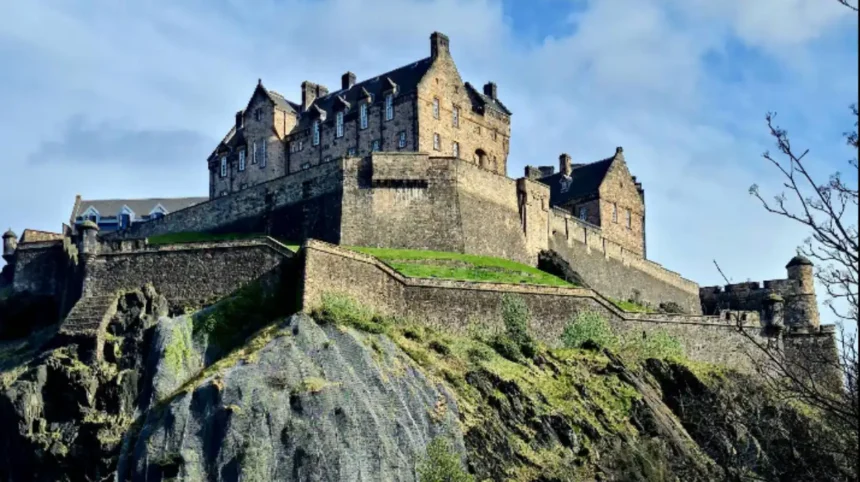
Edinburgh Castle sits atop Castle Rock, an extinct volcanic plug elevated 130 meters above sea level in central Scotland. The site spans 35,000 square meters and contains complex historic architecture, narrow stone thoroughfares, steep inclines, and multiple indoor museums.
Visitors who arrive without a timed reservation encounter extensive ticketing queues, dense crowd bottlenecks, and unexpected physical fatigue. Historic Environment Scotland manages the site, which receives over 2 million visitors annually. Proper planning eliminates delays, spreads out physical exertion, and secures uninterrupted access to major exhibits.
Why Does Visiting Edinburgh Castle Require Strategic Planning?
Visiting Edinburgh Castle requires strategic planning because high daily visitor volumes, strict timed-entry quotas, and steep terrain create physical bottlenecks across the complex.
Edinburgh Castle operates under a capacity-management system designed to protect its historical structures. Historic Environment Scotland releases timed-entry tickets online, capping simultaneous admissions to prevent overcrowding. High seasonal demand between May and September leads to fully sold-out daily allocation weeks in advance. Visitors attempting walk-up ticket purchases face severe delays or flat refusal at the gate.
The physical geography of Castle Rock introduces mandatory vertical climbing across cobblestone pathways. Moving from the outer Esplanade through the Portcullis Gate to Crown Square requires ascending multiple graded levels. The Crown Room, housing the Honors of Scotland, forms a permanent bottleneck due to strict indoor occupancy limits. Unplanned visits result in spending most of the time waiting in linear queues rather than exploring historic interiors.
What Is the Ideal Time to Visit Edinburgh Castle?
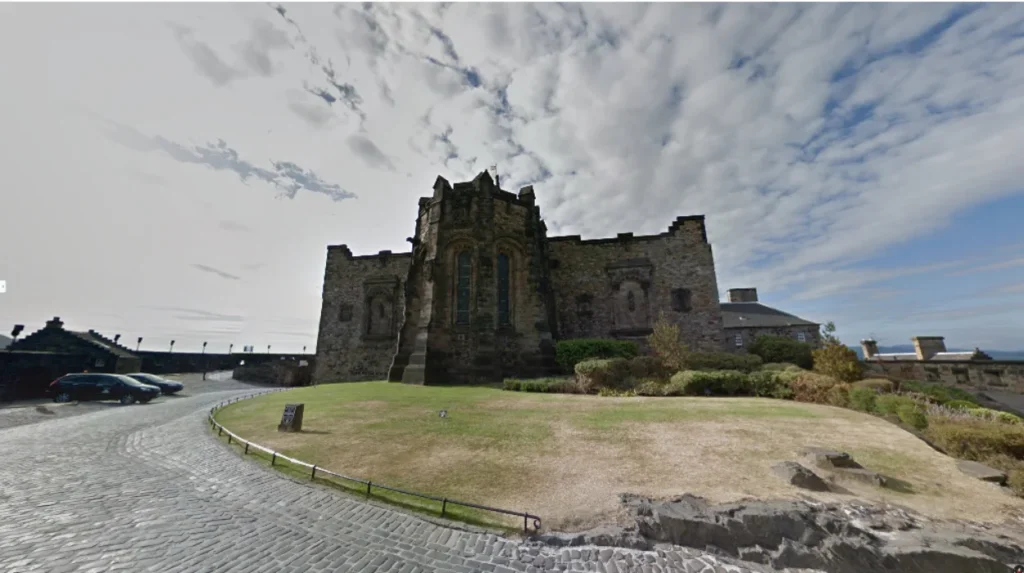
The ideal time to visit Edinburgh Castle is at the 09:30 AM opening slot or after 15:00 PM on weekdays.
Daily foot traffic follows a predictable curve tied to tour group schedules and daily programmed events. Booking the first morning slot at 09:30 AM allows visitors to pass through the Esplanade before commercial tour buses arrive. Morning visitors gain direct access to the Upper Ward and Crown Square before internal indoor lines form.
The late afternoon slot after 15:00 PM offers a secondary window of low crowd density. Most large tour groups depart by mid-afternoon to meet regional transport schedules. Operating hours run from 09:30 AM to 18:00 PM during summer and 09:30 AM to 17:00 PM during winter.
Midweek days, specifically Tuesday through Thursday, exhibit consistently lower attendance than weekends and Mondays. Winter months from November to February show the lowest overall seasonal visitor numbers.
How Long Should You Plan for a Relaxed Castle Visit?
A relaxed visit to Edinburgh Castle requires between 2.5 to 3.5 hours of dedicated time on site.
A standard tour of the castle grounds covers multiple distinct historical zones. Allocating 3 full hours ensures sufficient time to explore indoor museums without skipping exhibits. Visitors spending under 90 minutes miss key areas such as the Military Prisons or the Royal Scots Museum.
Time allocation must account for walking transit between geographic levels. The climb from the lower Argyle Battery to the high Crown Square takes 10 to 15 minutes of continuous walking.
Security screening at the main entrance consumes 10 to 20 minutes during mid-morning arrivals. Dedicated exhibit time requires 45 minutes for the Crown Room, 30 minutes for the Great Hall, and 30 minutes for the National War Museum.
How Do You Avoid the Longest Queues Inside the Grounds?
You avoid the longest queues inside Edinburgh Castle by heading directly to Crown Square and the Honors of Scotland immediately upon entry.
Queue Mitigation Strategy vs Standard Path:
- Standard Tourist Path: Entry Gate $\rightarrow$ Lower Battery $\rightarrow$ Shops $\rightarrow$ Upper Ward $\rightarrow$ Long Crown Jewels Queue.
- Optimized Strategy: Entry Gate $\rightarrow$ Direct to Upper Ward $\rightarrow$ Crown Jewels (Zero Wait) $\rightarrow$ Lower Exhibits at Leisure.
The primary interior queue forms outside the Crown Room, where the Crown Jewels and the Stone of Destiny reside. Most tourists stop at the lower ramparts, Argyle Battery, and souvenir shops immediately after passing the gate. This behavior builds a dense line at Crown Square by 10:30 AM. Skipping lower attractions upon entry allows direct access to the Crown Jewels with minimal waiting.
The One O’Clock Gun tradition creates another major concentration of crowds. The gun is fired from Mills Mount Battery precisely at 13:00 PM every day except Sundays. Crowds begin gathering around the battery platform at 12:15 PM, blocking surrounding pathways. Skipping the immediate gun area during the firing window opens up empty pathways in the Great Hall and National War Museum.
Which Walking Route Minimizes Physical Strain and Backtracking?
The optimal walking route moves top-down, ascending directly to Crown Square before descending through lower battery levels and museums.
A top-down walking strategy eliminates repeated uphill climbs across cobblestone terrain. Entering through the Main Gate and moving straight up the Royal Mile ramp takes visitors directly to the highest elevation at Crown Square. This zone contains the Royal Palace, the Crown Room, and the Scottish National War Memorial.
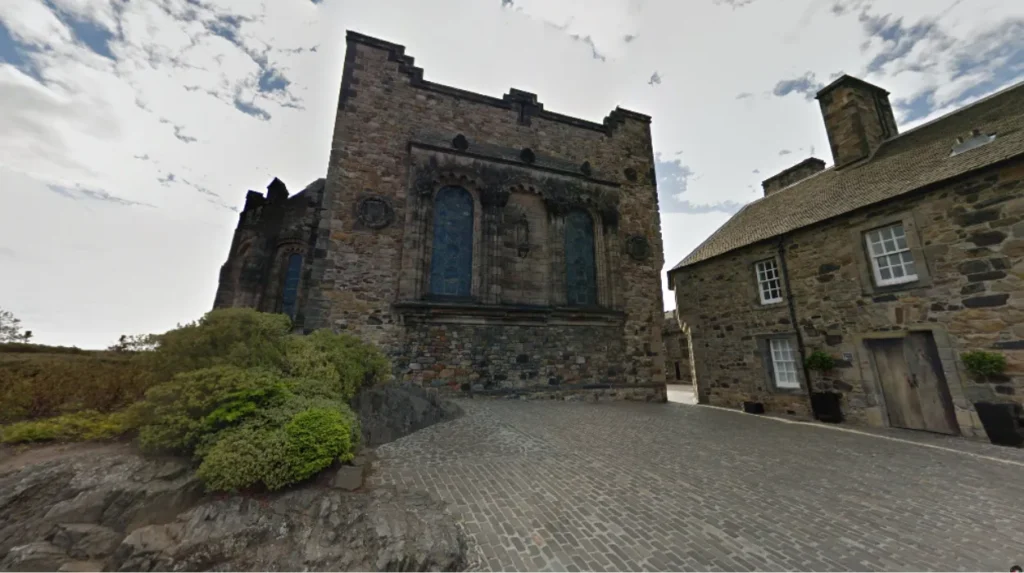
After finishing Crown Square, visitors drop down slightly to St Margaret’s Chapel, the oldest surviving building in Edinburgh, built around 1130 AD. From this mid-tier level, the route moves downhill past Mons Meg, a 15th-century siege cannon, toward the Great Hall built by James IV in 1511. The final portion of the route descends into the lower ward, covering the Military Prisons and the National War Museum before exiting smoothly.
How Should You Manage Ticket Purchases and Audio Guides?
Manage ticket purchases by booking advance timed-entry passes online and pre-downloading official audio guide content.
Historic Environment Scotland charges lower prices for advance online bookings compared to walk-up gate tickets. Standard adult tickets online cost £23.50, whereas walk-up tickets cost £26.00. Online purchasing guarantees entry during peak operational capacity.
Audio guides provide detailed historical context without forcing visitors to keep pace with large tour groups. Visitors can purchase downloadable audio apps directly to personal smartphones prior to arrival. Thick stone walls within medieval structures interrupt mobile network connectivity, making pre-downloading essential. Personal headphones improve clarity in loud, crowded rooms.
What Key Historical Exhibits Deserve Priority During a Unrushed Tour?
The essential historical exhibits requiring priority are the Honors of Scotland, St Margaret’s Chapel, the Great Hall, and the Vaults.
Primary Exhibit Matrix:
- The Crown Room: Houses the Scottish Regalia, created in 1540, and the ancient Stone of Destiny.
- St Margaret’s Chapel: Built in 1130 AD by King David I, standing as the oldest structural monument in the city.
- The Great Hall: Completed in 1511 under King James IV, featuring an original hammerbeam roof structure.
- Prisons of War: Restored subterranean vaults that held foreign military captives during the 18th and 19th centuries.
The Honors of Scotland represent the oldest royal regalia in Britain, comprising the Crown, Sword of State, and Sceptre. They sit alongside the Stone of Destiny inside a secured room in the Royal Palace. Viewing this room early prevents long physical queues.
The Great Hall contains a medieval timber roof supported by stone corbels decorated with carved symbols. It held Scottish Parliament meetings before Oliver Cromwell’s forces converted it into military barracks in 1650. Below the Great Hall lie the vaulted prisons, which housed over 1,000 prisoners during the American War of Independence and the Napoleonic Wars.
Is the audio guide worth it for Edinburgh Castle?
The audio guide is worth purchasing for independent travelers who want deep context without joining rigid tour groups. It offers downloadable audio tracks that explain complex royal history and architecture directly on your phone. Pre-downloading the app before entering avoids mobile network coverage drops inside thick castle walls.
Is Edinburgh Castle hard to walk around for seniors or disabled visitors?
Edinburgh Castle features steep inclines, uneven cobblestones, and historic stairs that present physical challenges. However, a dedicated mobility vehicle transports mobility-impaired visitors from the Esplanade up to Crown Square. Wheelchairs are available for free loan on site, and major exhibit areas offer ramp access.
What happens if you miss your timed entry slot at Edinburgh Castle?
Staff allow a small grace period for late arrivals, but entry remains subject to site capacity constraints. Arriving significantly past your assigned timeslot can lead to delays or denied entry during sold-out hours. It is best to arrive at the Esplanade 15 minutes prior to your ticket time.
Can you see the One O’Clock Gun without paying castle admission?
You cannot view or hear the One O’Clock Gun up close without purchasing a full castle admission ticket. The gun fires inside the secure castle grounds from the Mills Mount Battery. The blast can be heard lightly from Princes Street Gardens below, but the actual military ceremony requires entry.