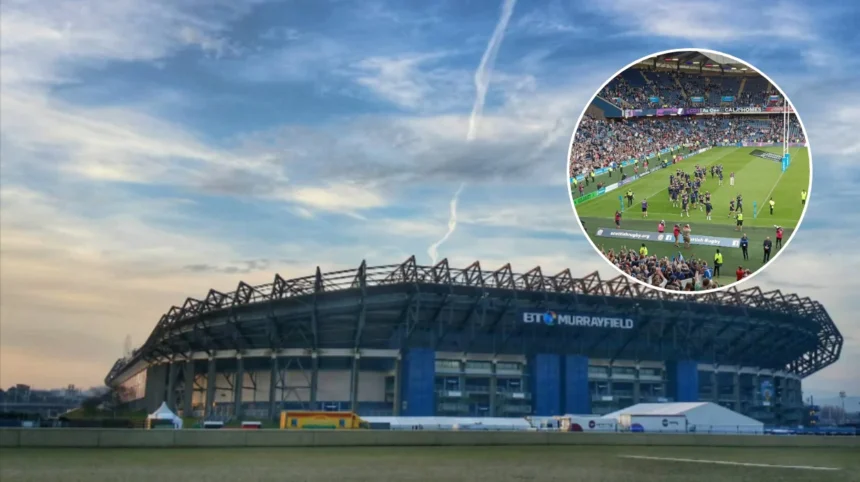
Murrayfield Edinburgh stands as one of the city’s most iconic landmarks, a colossal arena where the roar of crowds echoes through history and the spirit of Scottish rugby thrives. Nestled in the Roseburn area of Edinburgh, this stadium has evolved from a modest rugby ground into a world-class venue that draws global attention year after year.
- Origins of Murrayfield Stadium
- Architectural Evolution and Expansions
- Heart of Scottish Rugby
- Beyond Rugby: A Multi-Purpose Venue
- Legendary Matches and Historic Moments
- Visiting Murrayfield: A Fan’s Guide
- Cultural and Economic Impact on Edinburgh
- Fan Culture and Traditions
- Modern Innovations and Future Prospects
- The Enduring Legacy of Murrayfield
Origins of Murrayfield Stadium
The story of Murrayfield begins in the early 1920s when the Scottish Rugby Union (SRU) faced a pressing challenge. Previous international matches had been held at Inverleith Sports Ground, but surging spectator numbers demanded a larger space. The SRU turned its eyes to a 19-acre plot owned by the Edinburgh Polo Club at Roseburn Street in Murrayfield. This land, strategically located near Edinburgh’s bustling West End, was purchased for £4,752 and five shillings from Sir Archibald Spencer Lindsey Campbell of Succoth, a prominent landowner.
Construction commenced swiftly, with funds raised through debentures sold to enthusiastic supporters. A main stand and three terraced embankments took shape over two years, transforming the polo fields into a purpose-built rugby venue. Arthur Sellers, the groundsman from Inverleith, brought his expertise to ensure the pitch met the highest standards. On March 21, 1925, Murrayfield officially opened with a historic clash between Scotland and England. A record 70,000 fans packed the stands, witnessing Scotland’s triumphant 14-11 victory—a Grand Slam win in the Five Nations Championship that set the tone for the stadium’s legacy.
This inaugural match was more than a game; it symbolized Scotland’s rugby ambition. The atmosphere was electric, with fans enduring rudimentary facilities to cheer their heroes. From that day, Murrayfield became synonymous with Scottish sporting pride, hosting nearly every home international match for the national team.
Architectural Evolution and Expansions
Murrayfield’s growth mirrored Scotland’s passion for rugby. Early expansions addressed capacity demands, with back pitches incorporated in 1936 to support training and additional games. The stadium’s layout expanded to include Hive Stadium nearby, enhancing its role as a rugby hub.
World War II interrupted progress, as Murrayfield served as an army supply depot from 1939 to 1944. Post-war, reconstruction focused on modernization. The 1970s saw the iconic North and South Terraces develop into towering stands, boosting capacity to over 67,000 by the 1990s. A pivotal redevelopment occurred between 2005 and 2011, where the East Stand was rebuilt at a cost of £45 million, incorporating corporate hospitality suites, improved media facilities, and a roof that maximized acoustics for that legendary roar.
Today, known as Scottish Gas Murrayfield Stadium for sponsorship purposes, it boasts a capacity of 67,144, making it Scotland’s largest sports venue and the fifth-largest in the United Kingdom. Sustainability upgrades include solar panels and energy-efficient lighting, aligning with modern environmental standards. The pitch, a hybrid of natural grass and synthetic fibers, ensures durability for high-intensity matches.

Heart of Scottish Rugby
Murrayfield pulses with the rhythm of rugby union. It hosts Scotland’s home tests in the Six Nations Championship, where rivalries like the Calcutta Cup clash against England ignite fervor. Iconic victories, such as the 1990 Grand Slam triumph over England, have etched moments into folklore. The stadium also stages finals for the Premiership Rugby Cup (formerly the Scottish Hydro Electric Cup) and United Rugby Championship (URC) matches featuring Edinburgh Rugby.
Beyond internationals, Murrayfield serves as a stage for European Rugby Champions Cup fixtures. Edinburgh Rugby, the professional team backed by the capital’s supporters, calls it home. The venue’s versatility shines in women’s rugby too, hosting Scotland Women’s internationals and the Women’s Six Nations, promoting gender inclusivity in the sport.
Rugby’s community fabric thrives here through clubs like Boroughmuir RFC and RHC Murrayfield, which use adjacent facilities. Annual events like the Edinburgh Rugby Festival nurture young talent, ensuring Murrayfield’s legacy endures across generations.
Beyond Rugby: A Multi-Purpose Venue
While rugby defines Murrayfield, its footprint extends far wider. In the 1980s and 1990s, it hosted American football exhibition matches, drawing NFL stars to thrill Scottish crowds. Association football (soccer) has graced the turf occasionally, including Scottish Cup finals and charity games. Rugby league encounters, though rarer, have tested the stadium’s adaptability.
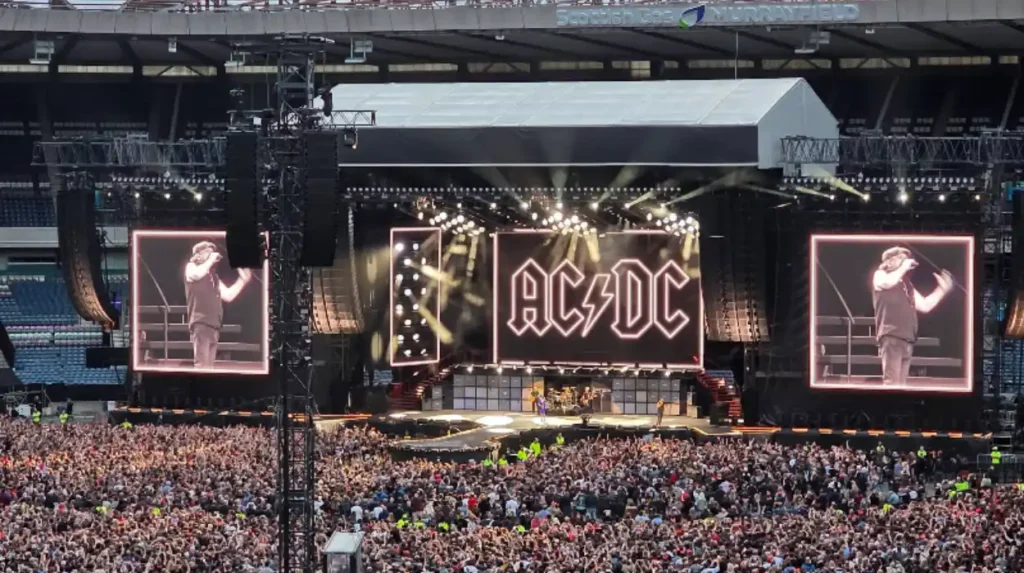
Music concerts have transformed Murrayfield into a rock amphitheater. Legends like The Rolling Stones, U2, and Beyoncé have performed to sold-out crowds, with the stadium’s natural bowl amplifying sound. In 2022, Harry Styles’ Love On Tour broke attendance records, underscoring its concert prowess. These events inject economic vitality, with local hotels and restaurants booming during show seasons.
Corporate events, conferences, and even film shoots utilize the venue’s grandeur. The SRU’s hospitality suites offer bespoke experiences, from pitch-side dinners to team-building days, cementing Murrayfield’s status as Edinburgh’s premier event space.
Legendary Matches and Historic Moments
Murrayfield’s annals brim with drama. The 1925 opener remains a cornerstone, but the 1990 Five Nations finale—Scotland’s 13-7 win over England—clinched a second Grand Slam, with fans invading the pitch in jubilation. The 2017 British & Irish Lions tour warm-up tests packed the stands, previewing triumphs Down Under.
Tragedy struck in 2005 when a record 67,834 attended a Six Nations match against France, but losses tested resilience. Triumphs like the 2021 Autumn Nations Series victory over Australia restored glory. Women’s rugby milestones include Scotland’s 2023 win over Wales, signaling rising prowess.
These moments foster a palpable atmosphere—the “Murrayfield Roar”—a thunderous wave that unnerves opponents. It’s not just noise; it’s a cultural phenomenon, amplified by the stadium’s design.
Visiting Murrayfield: A Fan’s Guide
For Edinburgh visitors, Murrayfield offers immersive experiences. Guided stadium tours delve into dressing rooms, the pitch tunnel, and the SRU museum, showcasing trophies like the Six Nations Trophy. Tickets start at affordable rates, with premium options including player meet-and-greets.
Match days transform the area. Pre-game rituals unfold in Roseburn Street pubs, where tartan-clad fans belt out “Flower of Scotland.” Public transport via tram or bus ensures easy access, with Haymarket station a short walk away. Families appreciate kid-friendly zones and halftime entertainment.
Hospitality packages cater to all, from casual lounges to executive boxes with gourmet dining. Year-round, the Murrayfield Ice Rink operates adjacent, blending sports with leisure.
Cultural and Economic Impact on Edinburgh
Murrayfield transcends sport, weaving into Edinburgh’s tapestry. It bolsters the local economy, generating millions annually through events. The 2025 centenary celebrations highlighted its role, with exhibitions at the National Records of Scotland chronicling a century of rugby heritage.
Architecturally, it complements Edinburgh’s skyline, visible from Corstorphine Hill. Community initiatives, like SRU’s grassroots programs, tackle health and inclusion, using rugby to unite diverse groups. During festivals like Edinburgh Fringe, Murrayfield hosts overflow crowds, easing city pressure.
Globally, it elevates Scotland’s profile. Tourists flock for Six Nations weekends, blending rugby with castle visits and whisky tours. This synergy positions Edinburgh as a sports tourism powerhouse.
Fan Culture and Traditions
Murrayfield’s soul lies in its supporters. The Tartan Army, clad in kilts and saltires, creates a sea of blue. Chants, flares, and painted faces build tension pre-kickoff. The national anthem, “Flower of Scotland,” swells into an anthem of defiance, hairs standing on necks worldwide.
Tailgating evolves into street parties, with food trucks serving haggis nachos and craft beers. Post-match, victory parades snake through the city. Loyal clubs like the 1872 Cup holders preserve history, passing torches to youth academies.
Inclusivity grows, with family sections and accessibility ramps welcoming all. Digital engagement via apps and VR tours extends the experience virtually.
Modern Innovations and Future Prospects
Murrayfield embraces technology. LED scoreboards, 5G connectivity, and AI-driven fan analytics enhance visits. The SRU invests in fan zones with interactive exhibits and e-sports tie-ins.
Sustainability drives upgrades: rainwater harvesting and zero-waste policies align with net-zero goals. Future plans include potential capacity tweaks for safety and hybrid events.
As host for Rugby World Cup 2025 qualifiers and beyond, Murrayfield eyes World Rugby events. Expansions could integrate mixed-use developments, like hotels and training centers, solidifying its hub status.
The Enduring Legacy of Murrayfield
Murrayfield Edinburgh embodies resilience, from wartime repurposing to post-pandemic revivals. It stands as a monument to collective passion, where history unfolds on hallowed turf. For locals and visitors, it’s more than a stadium—it’s a heartbeat of Scottish identity, promising thrills for generations.