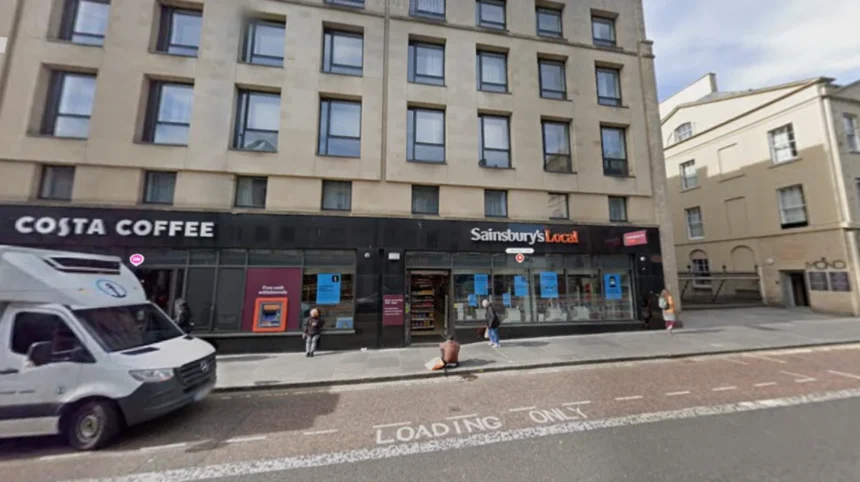
A single person living in Edinburgh requires a total monthly budget of £1,500 to £2,100 to cover housing, utilities, groceries, and local transport, whereas a family of four spends between £3,800 and £4,600 per month.
- How much does residential rent cost across Edinburgh neighbourhoods?
- What are the standard monthly costs for energy and water utilities?
- How is Council Tax calculated for Edinburgh properties?
- What is the average monthly cost of public transport in Edinburgh?
- How much do groceries and daily food items cost per month?
- What are the typical monthly costs for dining out and leisure?
- How do Edinburgh living costs compare to other UK major cities?
- What salary is required to live comfortably in Edinburgh?
- Is Edinburgh more expensive to live in than Glasgow?
- How much do students spend per month on living expenses in Edinburgh?
- Are utilities higher in Edinburgh tenement flats compared to modern apartments?
- What upfront costs are required when moving into an Edinburgh rental property?
Living in the capital city of Scotland involves balancing essential overheads against variable lifestyle choices across diverse municipal zones. The city serves as the financial and cultural hub of the region, driving demand for residential properties, commercial services, and public infrastructure.
Financial planning requires a precise evaluation of fixed expenditures such as residential rent, council tax, energy tariffs, and public transport passes. Variable costs include food items, leisure, clothing, and domestic household supplies.
Single occupants face higher per-capita costs due to sole responsibility for standing charges and fixed housing contracts, whereas multi-person households achieve scale efficiencies by sharing domestic utility accounts and general accommodation fees. Historical economic shifts, legislative adjustments in Scottish housing law, and broader inflationary cycles directly impact local price structures.
Residents in central locations pay higher accommodation charges but save on transport costs through physical proximity to commercial sectors, whereas suburban residents trade longer transit times for reduced residential square-footage rates. Overall, Edinburgh stands as the second most expensive city in the United Kingdom behind London, requiring structured monthly financial allocation.
How much does residential rent cost across Edinburgh neighbourhoods?
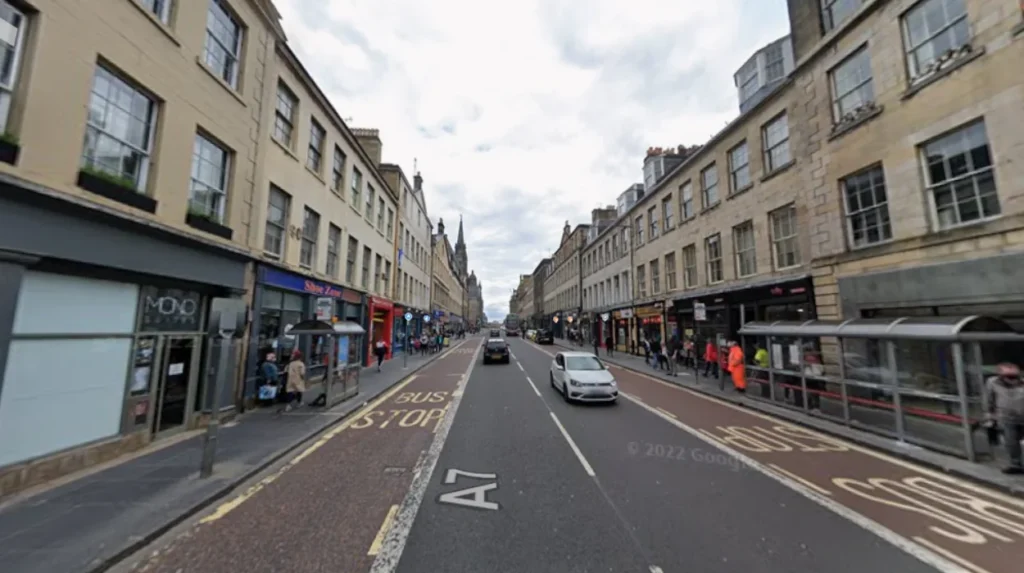
Average monthly rents in Edinburgh range from £825 for a studio flat up to £2,140 for a three-bedroom family property, depending strictly on the geographical district and proximity to the city centre.
Accommodation represents the single largest expenditure category for households situated within the boundaries of the City of Edinburgh Council. Market values vary significantly across distinct postcodes due to historical architecture, local amenities, and spatial supply constraints.
A one-bedroom residential unit commands an average monthly rate of £1,150, while a two-bedroom property averages £1,450 per month across active municipal listings.
Central zones like New Town and Old Town record premium tenancy figures due to high commercial demand, historic property conservation rules, and concentration of financial services.
Suburban or western sectors present lower entry costs for long-term residential leases. Renters entering private tenancy agreements in Scotland operate under the Private Housing (Tenancies) (Scotland) Act 2016, which provides open-ended tenancies and restrictions on arbitrary rent adjustments.
Landlords routinely require a security deposit equivalent to one or two months of rent prior to contract initiation, which is secured in a government-approved tenancy deposit scheme. The seasonal influence of cultural gatherings, including the Edinburgh International Festival every August, reduces long-term private rental availability as landlords pivot toward short-term accommodation options.
High property acquisition prices and strict planning regulations regarding short-term lets continue to limit overall housing supply, maintaining steady upward pressure on baseline rental rates.
Examples of budget, mid-range, and premium tenancy markets include:
- Budget residential zones: Gorgie, Dalry, Sighthill, and Wester Hailes.
- Mid-range residential zones: Leith, Abbeyhill, Newington, and Tollcross.
- Premium residential zones: New Town, Old Town, Stockbridge, and Bruntsfield.
What are the standard monthly costs for energy and water utilities?
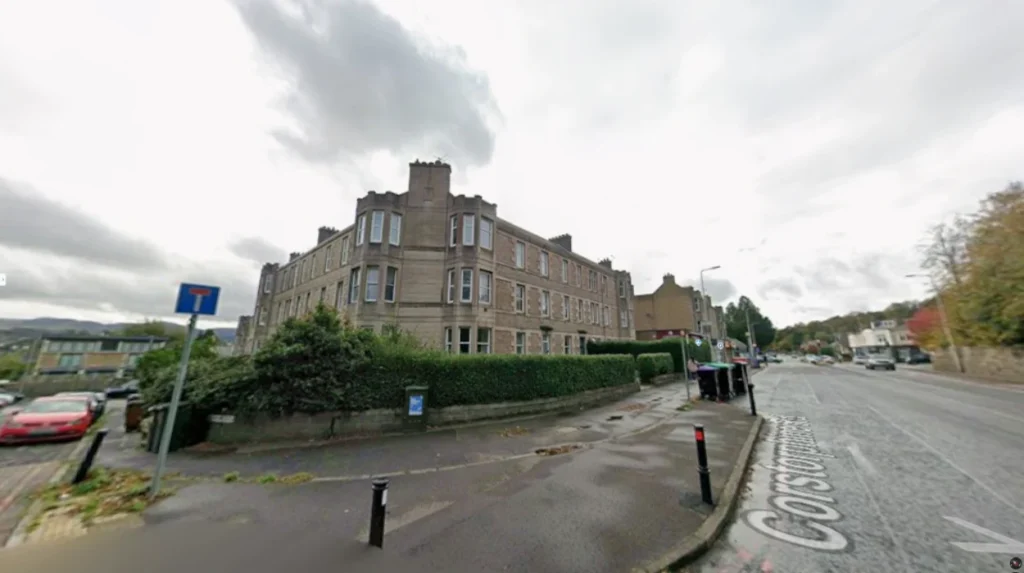
Monthly household utility bills in Edinburgh average between £110 for a single occupant in a small studio and £194 for a two-person household residing in a standard two-bedroom flat.
Domestic utility expenses encompass mains electricity, natural gas heating, broadband internet, and municipal water supply obligations. Gas and electricity tariffs operate under national energy price caps determined by the Office of Gas and Electricity Markets, creating baseline unit rates across the country.
Edinburgh contains a high concentration of stone tenement buildings dating from the Victorian and Georgian eras, which often possess lower energy efficiency ratings due to solid stone walls and single-glazed timber windows.
Older properties require increased thermal energy input during winter months, driving up natural gas usage for central heating systems. Modern purpose-built flats feature improved insulation standards, double glazing, and modern heat pump systems, resulting in lower monthly energy expenditure.
Broadband services add an additional monthly expense ranging from £20 to £35, depending on connection speeds and service provider contracts. Water and sewerage charges in Scotland are not billed through private metered companies as seen in England; instead, Scottish Water collects these fees directly alongside municipal council tax payments based on property value bands.
Occupants must factor in seasonal energy variations, as winter consumption levels routinely double summer baseline figures due to colder regional temperatures and reduced daylight hours. Efficient thermostat management and modern insulation retrofits remain critical mechanisms for controlling variable utility costs in older properties.
How is Council Tax calculated for Edinburgh properties?
Council tax charges in Edinburgh range from £1,000 to over £4,000 annually per property, divided into ten monthly payments based on historical property valuation bands ranging from Band A to Band H.
Council tax represents a mandatory local authority levy collected by the City of Edinburgh Council to fund municipal public services, including waste management, street maintenance, public parks, and local state schools. Every residential property receives a specific band designation based on its estimated market value as recorded on April 1, 1991.
Band A applies to properties at the lowest valuation tier, whereas Band H applies to high-value executive estates. Water and waste services charges are listed alongside council tax on the annual municipal demand note issued to householders every March.
Certain statutory reductions apply based on household composition and occupant status. Single adult occupants qualify for a statutory 25 percent single-person discount on their total annual council tax charge.
Full-time university students enrolled at institutions such as the University of Edinburgh or Napier University receive a complete 100 percent council tax exemption for the duration of their academic course. Properties occupied exclusively by care leavers or specific categories of severely mentally impaired individuals also qualify for total council tax relief.
Non-payment or delayed payment of scheduled monthly installments leads to immediate administrative enforcement actions, summary warrants, and statutory 10 percent penalty additions under Scottish debt recovery laws. Understanding the specific council tax band of a target address is essential for maintaining accurate domestic financial forecasts.
Examples of residential property classifications under the local valuation system include:
- Entry-level domestic property bands: Band A, Band B, and Band C.
- Mid-tier domestic property bands: Band D, Band E, and Band F.
- Upper-tier domestic property bands: Band G and Band H.
What is the average monthly cost of public transport in Edinburgh?
A monthly public transport pass for unlimited bus and tram travel throughout Edinburgh costs £65 for a standard adult Ridacard and approximately £48 for registered students.
Public transportation in the city is primarily operated by Lothian Buses and Edinburgh Trams, which together form an integrated, municipally owned transit network serving the entire urban area and surrounding regions.
Single bus journey tickets cost a fixed fare of £2.00, while daily capped fares using contactless card payments allow unlimited travel for £4.80 per day. The Edinburgh Tram network provides direct light-rail connections linking Newhaven in the north through the city centre out to Edinburgh Airport in the west.
Travel within the central city zone is covered under standard transit tariffs, whereas journeys extending into the specialized Airport Zone require higher single fares or upgraded travel cards.
Residents living within the urban core frequently rely on walking or cycling due to the compact layout of the city and extensive pedestrianized infrastructure, eliminating vehicular transit overheads entirely. Owning a private motor vehicle introduces substantial secondary costs, including resident parking permits issued by the council, fuel prices averaging £1.45 per litre, annual Ministry of Transport testing, vehicle excise duty, and comprehensive insurance policies.
Central Edinburgh features extensive Controlled Parking Zones where on-street parking requires hourly payments or expensive annual residential permits, making public transportation the preferred and cost-effective option for the vast majority of local commuters.
How much do groceries and daily food items cost per month?
An individual living in Edinburgh spends between £180 and £250 monthly on household groceries, while a four-person family allocates between £500 and £700 for basic food requirements.
Grocery pricing is dictated by store selection, product choices, and seasonal supply chain mechanics across national supermarket operators. Supermarket chains operating within the city boundary fall into distinct market segments, ranging from deep-discount stores to premium food halls.
Basic pantry staples maintain relatively stable pricing structures, with a litre of milk costing roughly £1.25, a loaf of fresh bread costing £1.30, a dozen eggs priced at £3.55, and a kilogram of chicken breast costing around £9.60.
Residents shopping predominantly at discount grocery outlets achieve lower monthly expenditures compared to those sourcing items at high-street express stores located in central tourist districts. Convenience stores situated in high-density locations charge premium prices on small everyday items, increasing total monthly food costs for nearby residents.
Preparing meals at home remains significantly more economical than consuming prepared food from commercial dining establishments. Dining out at a standard mid-range restaurant in Edinburgh costs approximately £20 to £35 per person for a main course, while a casual fast-food meal averages £8 to £10.
Environmental regulations in Scotland require a statutory 10 pence charge on single-use carrier bags, prompting residents to utilize reusable shopping bags to eliminate minor incidental fees during weekly grocery visits.
Examples of retail supermarket categories available in the city include:
- Discount grocery retailers: Aldi and Lidl.
- Mid-range national supermarkets: Tesco, Sainsbury’s, Asda, and Morrisons.
- Premium food retailers: Waitrose and Marks & Spencer Foodhall.
What are the typical monthly costs for dining out and leisure?
Monthly leisure and social expenses in Edinburgh average £150 to £300 per person, depending on dining frequency, fitness memberships, and entertainment choices.
Social activity costs vary widely based on individual lifestyle choices and frequency of participation in the local night-time economy. The city boasts a rich cultural landscape comprising historical theatres, independent cinemas, music venues, and traditional pubs.
A pint of draft domestic beer or cider in a standard pub costs between £4.50 and £6.50, whereas specialty cocktail lounges and historic city-centre bars charge higher rates. Ticket prices for main-run cinema screenings average £10 to £15 per adult, with independent picture houses offering discounted subscription models for frequent moviegoers.
Fitness and wellness overheads represent another routine monthly expenditure. Commercial gym memberships range from £20 per month at budget automated facilities up to £80 per month at private health clubs featuring swimming pools and sauna amenities.
Municipal sports facilities managed by Edinburgh Leisure offer subsidized access to public swimming pools, gymnasiums, and sports halls across multiple neighbourhood locations. The city also features extensive public parks, including Holyrood Park, The Meadows, and the Royal Botanic Garden, which provide cost-free recreational opportunities for residents year-round.
Attending major cultural events during the summer festival season increases discretionary spending due to ticketed performances, street food vendors, and pop-up entertainment venues operating throughout the central municipality.
How do Edinburgh living costs compare to other UK major cities?
Edinburgh maintains a cost of living that is roughly 15 to 25 percent lower than Central London, but 10 to 15 percent higher than regional cities like Glasgow, Manchester, or Newcastle.
A comparative economic analysis demonstrates that Edinburgh is the most expensive urban location in Scotland while remaining more affordable than the Greater London area. Rental housing costs drive the primary divergence between these regional markets.
While a average one-bedroom flat in London commands monthly rents exceeding £1,800, a comparable property in Edinburgh averages £1,150. Conversely, sister cities such as Glasgow offer lower residential rental entry points, with average one-bedroom units costing significantly less per month.
Public transport pricing in Edinburgh remains highly competitive relative to other major national networks, benefited by flat-fare structures on local bus lines. Local wage structures in the city reflect its economic orientation toward high-value sectors, including financial technology, higher education, software development, tourism, and civil service administration.
Average net salaries in Edinburgh rank among the highest in the UK outside of London, helping residents absorb elevated housing and service costs. Council tax valuations remain higher on average than in smaller Scottish local authorities, reflecting urban property valuation baselines established in 1991. Overall, Edinburgh offers a balanced capital-city cost profile, delivering high quality of life, historical green spaces, and urban connectivity at a structural discount relative to the primary financial centers of Southern England.
What salary is required to live comfortably in Edinburgh?
A single individual generally needs an annual gross salary of at least £30,000 to £35,000 to cover average rental housing, utility bills, transportation, and personal savings without financial strain. Earners making under £25,000 per year typically rely on shared flats or live in suburban postcodes to maintain manageable monthly expenses. Households earning combined salaries above £60,000 can comfortably afford two-bedroom properties in central or desirable residential neighbourhoods.
Is Edinburgh more expensive to live in than Glasgow?
Yes, Edinburgh is consistently more expensive than Glasgow across housing, private rentals, dining out, and daily consumer services. Rental prices in Edinburgh run approximately 20 to 30 percent higher than in Glasgow due to supply shortages, tourism demand, and a higher concentration of white-collar professional jobs. Public transit costs remain broadly comparable between both cities due to public transport regulation and capped fare structures.
How much do students spend per month on living expenses in Edinburgh?
Full-time students in Edinburgh require an estimated monthly budget of £1,200 to £1,800 to cover accommodation, food, study supplies, and personal leisure. Student housing rates range from £600 per month for shared flat arrangements up to £1,100 for private studio units in specialized student complexes. Students receive complete exemption from municipal council tax and access discounted monthly public transit passes, reducing overall baseline expenditures.
Are utilities higher in Edinburgh tenement flats compared to modern apartments?
Traditional stone tenement flats usually have higher gas and electricity heating bills due to high ceilings, solid stone exterior walls, and historic single-glazed windows. Modern timber or steel-frame apartments feature updated thermal insulation, cavity walling, and energy-efficient heating systems that keep monthly energy bills significantly lower. Installing heavy window curtains, draught excluders, and smart heating controls helps reduce winter energy costs in older properties.
What upfront costs are required when moving into an Edinburgh rental property?
Tenants moving into an Edinburgh rental home must pay one month of rent in advance along with a tenancy deposit equivalent to one or two months of rent. Landlords in Scotland cannot charge separate holding fees, tenancy setup charges, or referencing fees under the Renting Scotland legislation. Total initial move-in costs for an average one-bedroom flat typically range between £2,200 and £3,450 before utility connection fees and initial grocery purchases.