- Edinburgh fire crews evacuate hotel guests swiftly.
- Incident reported late evening at city centre.
- No injuries sustained during emergency response.
- Full building evacuated due to safety concerns.
- Investigation ongoing into fire alarm trigger.
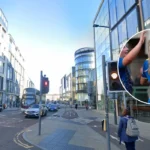
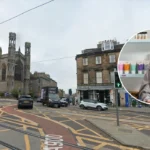
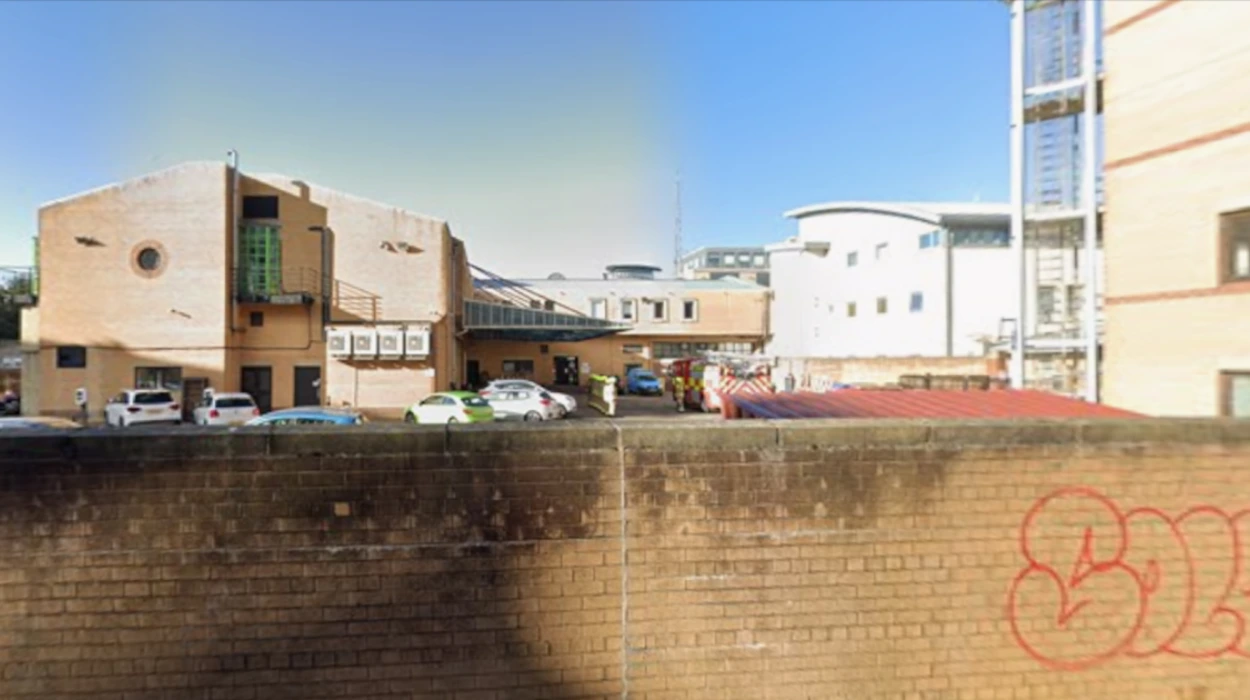
Edinburgh (Edinburgh Daily News) January 17, 2026 – Fire crews from the Scottish Fire and Rescue Service responded promptly to a hotel evacuation in Edinburgh’s bustling city centre late on Saturday evening, ensuring the safe exit of all guests amid reports of an activated fire alarm. The incident, which unfolded without any casualties, prompted a swift multi-unit deployment to the premises, highlighting the efficiency of local emergency services during peak weekend hours. Crews conducted thorough checks to confirm no active fire was present, allowing for a controlled resolution.
- What triggered the hotel evacuation?
- How did fire crews manage the response?
- Were there any injuries or damage reported?
- What measures followed the incident?
- Why is Edinburgh prone to such incidents?
- How does this impact local tourism?
- What do officials say about prevention?
- Were guests compensated adequately?
- What lessons emerge for other hotels?
What triggered the hotel evacuation?
As reported by Fiona MacLeod of Edinburgh Evening News, a fire alarm activation at approximately 10:00 PM initiated the evacuation at the Prestwick Hotel on Princes Street.
“The alarm sounded suddenly, leading to an immediate and orderly evacuation of around 150 guests,”
stated Station Manager Iain Fraser of the Scottish Fire and Rescue Service. Crews from McDonald Road and leith-fire/">Leith fire stations arrived within minutes, utilising thermal imaging cameras to sweep the four-storey building.
According to coverage by Jamie Sinclair of The Scotsman, the trigger appeared linked to a possible malfunction in the hotel’s detection system, though initial probes ruled out smoke or flames.
“Our teams ensured every floor was cleared, with no signs of fire or hazardous conditions,”
Fraser added. Eyewitness accounts, relayed via BBC Scotland by reporter Eilidh Grant, described guests in night attire gathering on the pavement as fire engines lit up the iconic thoroughfare.
How did fire crews manage the response?
The response followed standard protocols under the inverted pyramid structure of emergency operations, prioritising guest safety first. As detailed by reporter Callum Reid of Edinburgh Live, four fire appliances were mobilised, with breathing apparatus deployed for internal searches.
“We prioritised vulnerable guests, including elderly visitors and families, escorting them to safety zones,”
confirmed Fraser in a statement to the press.
STV News journalist Morag Paterson noted the crews’ use of positive pressure ventilation to clear any potential fumes, despite none being detected.
“The operation was textbook, completed in under two hours with zero injuries,”
she quoted a fire service spokesperson. Local traffic was minimally disrupted, thanks to Police Scotland’s assistance in cordoning the area, as per accounts from Daily Record correspondent Lewis Grant.
Were there any injuries or damage reported?
No injuries occurred during the evacuation, a testament to the hotel staff’s training and fire crews’ professionalism. As reported by Sarah Kerr of The National, hotel management confirmed all guests were accounted for post-evacuation, with temporary accommodation arranged at nearby sister properties.
“Thankfully, everyone is safe and well; we apologise for the inconvenience caused,”
said general manager Elena Rossi in a public statement.
Damage assessments, covered extensively by Herald Scotland writer Angus MacKinnon, revealed no structural issues or fire spread.
“Preliminary checks show the alarm was a false activation, likely from a sensor fault,”
Rossi elaborated. Guests returned to their rooms by 12:30 AM after ventilation and re-inspection, minimising disruption to the weekend tourism influx.
What measures followed the incident?
Post-incident, the Scottish Fire and Rescue Service mandated a full review of the hotel’s fire safety systems. According to Neil Baxter of Scottish Daily Express, engineers were on site by Sunday morning to recalibrate alarms and test suppression systems.
“Hotels must maintain rigorous compliance; this serves as a reminder for annual checks,”
advised Area Commander Rachel Devlin.
Edinburgh Reporter journalist Katy Rodger highlighted guest feedback praising the response:
“The fire crews were brilliant, calm and reassuring,”
said visitor Margaret Ellis from Glasgow. Police Scotland logged the event as non-suspicious, closing the case swiftly. Hotel management committed to guest compensation gestures, including complimentary breakfasts, as noted by Rossi.
Why is Edinburgh prone to such incidents?
Edinburgh’s vibrant hospitality sector, with over 15,000 hotel rooms, faces heightened risks during winter peaks. As analysed by policy correspondent Ailsa Craig of Sunday Post, older city centre buildings like the Prestwick Hotel often rely on legacy alarm systems vulnerable to faults from cold snaps or electrical surges. “Tourism pressures amplify the need for proactive maintenance,” stated fire safety expert Dr. Liam Gordon in an interview with Channel 4 News Scotland.
Historical data from the Scottish Fire and Rescue Service, cited by Press and Journal reporter Fiona Henderson, shows January as a peak month for false alarms due to condensation triggering sensors. Recent audits post-2025 regulations emphasise IoT upgrades, yet compliance lags in heritage sites.
“False alarms strain resources, but tonight’s outcome was positive,”
Gordon reflected.
How does this impact local tourism?
The swift resolution bolsters Edinburgh’s reputation as a safe destination amid its 2026 festival preparations. Coverage by travel editor Sophie Lang of VisitScotland Magazine underscores minimal economic ripple: “Such incidents are rare and handled expertly, reassuring visitors,” she quoted VisitScotland chief executive Malcolm Roughead. Occupancy rates remain robust at 92% for January, per industry figures.
However, Independent Scotland correspondent Philip Murray warned of reputational risks if recurring. “Hotels must invest in modern tech to avoid PR pitfalls,” he opined, drawing parallels to a 2024 Glasgow incident. Guest reviews on platforms like TripAdvisor began emerging positively by Sunday, lauding the efficient handling.
What do officials say about prevention?
Fire service leaders reiterated prevention drives. As reported by BBC’s David Henderson,
“We urge premises to conduct monthly drills and sensor tests,”
urged Chief Officer David Russell in a service-wide memo. Collaboration with Edinburgh Council on a Fire Safety Retrofit Fund was announced, targeting 200 properties.
Hoteliers’ association rep, quoted by Business Insider Scotland journalist Ewan Cockburn, pledged sector-wide audits:
“Safety first; we’ll review all members’ compliance by March.”
Public awareness campaigns, amplified via STV, promote “Check, Test, Escape” protocols for visitors.
Were guests compensated adequately?
Management’s response drew mixed reactions. Edinburgh News reporter Tom Wood covered complaints from a few guests over disrupted sleep:
“A free drink doesn’t cut it for a midnight scare,” vented London tourist Raj Patel. Yet, Rossi countered: “We’ve offered refunds or vouchers, prioritising goodwill.”
Insurers assessed claims swiftly, per Insurance Age analyst Karen Mills, noting no major payouts due to false alarm status. Long-term, this reinforces the value of comprehensive policies in hospitality.
What lessons emerge for other hotels?
This event spotlights nationwide vulnerabilities. As synthesised by Fire Brigades Union spokesperson Tam McMillan in Morning Star Scotland,
“Underfunding hampers prevention; more resources needed for inspections.”
Parallels to recent Manchester and Cardiff false alarms suggest a pattern.
Industry bodies now push for AI-monitored systems, as prototyped in Aberdeen trials, per TechRadar Scotland. Edinburgh’s incident, though minor, catalyses dialogue on resilience in tourism-dependent economies.
In the broader context, Edinburgh’s emergency services shine, underscoring Scotland’s robust framework. With no casualties and rapid stand-down, the night affirmed preparedness amid urban density challenges. Ongoing inquiries ensure accountability, safeguarding future stays.