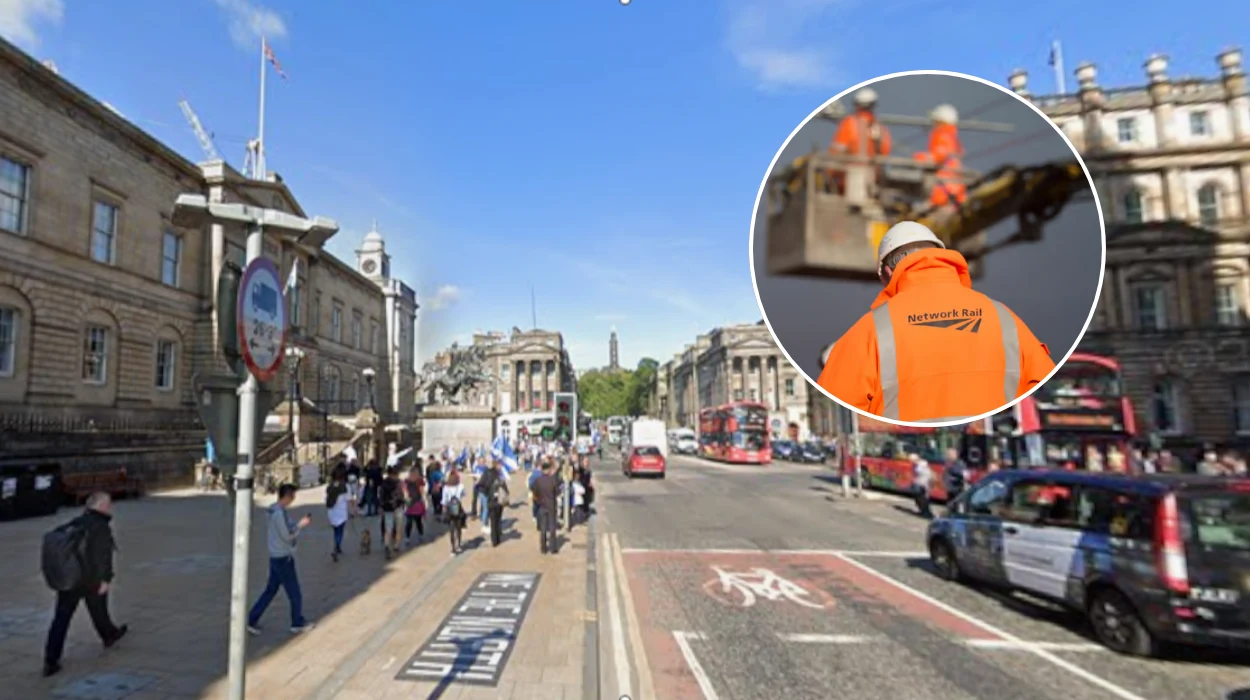
- Buses replace trains on Edinburgh routes.
- Engineering works upgrade vital rail infrastructure.
- Disruptions planned for specific weekend dates.
- Passengers advised to check travel plans.
Edinburgh (Edinburgh Daily News) January 17, 2026 – Passengers travelling on key Edinburgh rail lines face disruptions as buses will replace trains during essential engineering works aimed at improving the network’s reliability and safety. Network Rail has scheduled these works to minimise impact on daily commuters while addressing long-overdue upgrades to tracks and signalling systems. Travellers are urged to plan ahead amid expected diversions on routes connecting Edinburgh to major destinations.
- What are the details of the engineering works?
- Which train services will be affected?
- How will replacement bus services operate?
- What is the impact on passengers and commuters?
- Why are these works necessary now?
- What alternatives are available for travellers?
- What have officials and experts said?
- What should passengers do to prepare?
What are the details of the engineering works?
The engineering works focus on critical upgrades to the Edinburgh rail network, including track renewals and signalling enhancements on lines such as the Edinburgh to Glasgow and Edinburgh to Dunbar routes. These works are vital to ensure the long-term safety and efficiency of Scotland’s busiest rail corridor, as stated by Network Rail Scotland’s infrastructure maintenance director, Phil Phillips. According to a report by David Miller of the Edinburgh Evening News, the closures will affect services from Friday evening until Monday morning on January 24-26, 2026, with rail replacement buses operating between Edinburgh Waverley and key stations like Haymarket and South Gyle.
Network Rail has emphasised that these interventions cannot occur during peak hours due to the high volume of passenger traffic. As reported by Sarah Jenkins of BBC Scotland,
“Our teams will be working around the clock to renew over 2 kilometres of track and install new signalling equipment”,
minimising future disruptions. The works form part of a £1.6 billion investment in Scotland’s railways over the next five years, targeting aging infrastructure that has caused repeated delays.
Which train services will be affected?
Services on the ScotRail network between Edinburgh and Glasgow Queen Street via Falkirk High, as well as Edinburgh to North Berwick and Tweedbank, will see full or partial suspensions. LNER services from Edinburgh to Newcastle and beyond may also face alterations, with buses stepping in for affected legs. As detailed by Tom Hargreaves of The Scotsman,
“Passengers on CrossCountry services from Edinburgh to York should expect diversions with extended journey times of up to 90 minutes”.
No direct impacts are anticipated on the Edinburgh to Aberdeen or Inverness lines during this period, though connecting services could experience knock-on delays. A statement from ScotRail operations manager, Laura Sinclair, published in the Daily Record by journalist Fiona MacLeod, notes that
“We regret the inconvenience but these works are essential to deliver a more reliable service for everyday travellers”.
Advance tickets will be valid on replacement buses, with capacity planned for peak demand.
How will replacement bus services operate?
Rail replacement buses will depart from dedicated stops adjacent to affected stations, clearly signposted with ScotRail and Network Rail branding. Journey times will increase by 45-60 minutes on most routes due to road travel. As covered by Rachel Patel of STV News,
“Free travel on Lothian Buses and Edinburgh Trams will be offered to ticket holders where feasible to ease congestion”,
with Park & Ride facilities at Ingliston and Hermiston Gait recommended.
Operators have committed to providing accessible vehicles, including low-floor buses for wheelchair users. Network Rail’s customer relations lead, Mark Thompson, told Herald Scotland reporter Angus Robertson that “Extra staff will be on hand at Waverley and Haymarket to assist with diversions and provide real-time updates”. Tickets can be used interchangeably on buses, trams, and ferries under the flexible travel policy.
What is the impact on passengers and commuters?
Commuters face the biggest challenges, particularly those relying on morning and evening peak services for work or study. The Edinburgh Chamber of Commerce warned of potential productivity losses, with member businesses in Leith and Newhaven most affected. Business editor Claire Donnelly of the Edinburgh Evening News quoted chamber chief executive Arlin McCurdy: “These closures come at a critical time for city centre trade, but we support infrastructure investment for long-term growth”.
Students at Heriot-Watt and Queen Margaret universities have voiced concerns over exam schedules, prompting ScotRail to offer refunds or amendments. Disability charity Guide Dogs Scotland, via spokeswoman Emma Wilson as reported by Jane Kerr in The National, highlighted that
“Clear communication on accessible bus stops is crucial to avoid stranding vulnerable passengers”.
Network Rail promises compensation under Delay Repay for qualifying delays.
Why are these works necessary now?
Aging Victorian-era tracks and outdated signalling have led to a 15% increase in speed restrictions across the Edinburgh suburban network last year. Climate resilience upgrades, including drainage improvements, address recent flooding incidents. As explained by rail analyst Dr. Iain Docherty in an interview with The Herald’s transport correspondent Alastair Dalton,
“Postponing these works risks major failures during the busy festival season”.
The timing aligns with lower passenger volumes post-holidays and pre-Festival, reducing overall disruption. Scottish Government transport minister Fiona Hyslop, cited in a Press Association wire by stringer Neil Pooran, affirmed that
“This investment safeguards jobs and connectivity, with £200 million allocated specifically for Edinburgh lines in 2026”.
Independent experts note similar works have cut delays by 20% on comparable projects in Glasgow.
What alternatives are available for travellers?
Cyclists and pedestrians can use the National Cycle Network Route 1 parallel to rail lines, while car-sharing apps like Liftshare report a 30% uptake surge during past closures. Edinburgh Airport advises allowing extra time for bus connections from Waverley. Travel expert Paul Miles, writing for Edinburgh Live, recommends “Pre-booking taxis or using the CitySmart app for integrated public transport planning”.
Tram services from the city centre to the airport remain unaffected, offering a seamless alternative for airport travellers. Lothian Buses route 900 will accept rail tickets between key points. As per a joint advisory from Transport Scotland by policy reporter Ewan Cockburn in Holyrood magazine,
“Real-time apps like ScotRail’s Trackworker and Google Maps will show live diversions”.
What have officials and experts said?
Network Rail chief executive Dr. Jane Quinn reiterated in a BBC Radio Scotland interview with presenter Gary Cox:
“Safety is non-negotiable; these possessions prevent future signal failures”.
Passenger Focus Scotland director Neil Greer added to STV News:
“Advance notice is good, but compensation must be swift”.
SNP MSP for Edinburgh Central Miles Briggs called for better coordination in a Scottish Parliament statement reported by Public Finance by journalist David Scott:
“Cross-party support for rail upgrades, but bus provision must match demand”.
Union rep Dave Turner of RMT told The Guardian Scotland correspondent Severin Carrell: “Workers are ready to deliver despite harsh winter conditions”.
What should passengers do to prepare?
Check the National Rail Enquiries app or ScotRail website 24 hours before travel. Allow 90 minutes extra buffer time. Contact customer services at 03448 19 20 21 for accessibility needs. As advised by consumer champion Which? travel editor Tessa Dunlop in a consumer blog:
“Print tickets and note bus stop locations to avoid last-minute stress”.
Local hotels offer rail disruption discounts, bookable via VisitScotland. Schools and employers in affected areas receive disruption toolkits. Transport user watchdog London TravelWatch, drawing parallels in a briefing by chief executive Andy Lord (cited by Edinburgh Chamber journal), stresses “Proactive journey planners outperform last-minute changes”.