Key Points
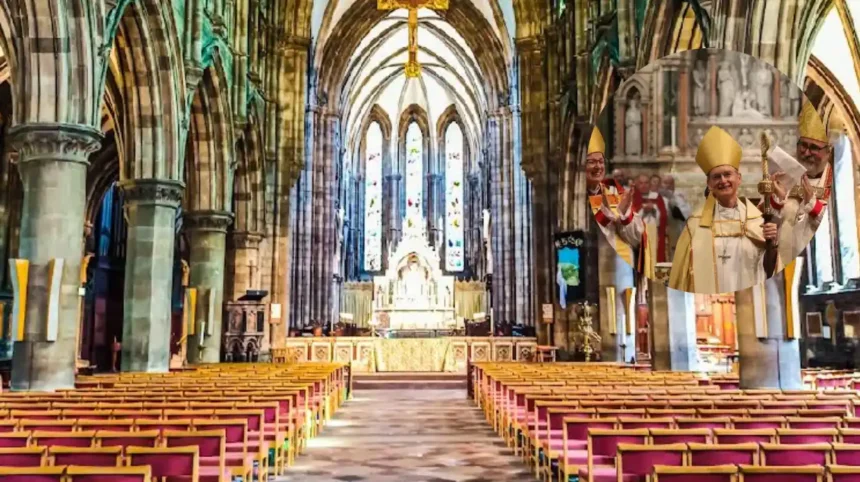
- The Rt Revd Dr Dagmar Winter has been officially installed as the 27th Bishop of Edinburgh at St Mary’s Episcopal Cathedral
- Winter was elected on 14 February 2026 by the Scottish Episcopal Church to succeed the retired Bishop John Armes
- The installation ceremony took place at a packed St Mary’s Episcopal Cathedral in Edinburgh on 31 May 2026
- Winter previously served as Bishop of Huntingdon in the Diocese of Ely since 2019, becoming East Anglia’s first female bishop
- She is the second woman to serve as a bishop in the Scottish Episcopal Church following Anne Dyer
- The Diocese of Edinburgh has a pioneering history with women’s ministry, ordaining its first deaconess in 1978 and first priests in 1994
- Winter brings over a decade of episcopal experience to her new role in Scotland
- The ceremony marked a significant moment for the Scottish Episcopal Church’s leadership diversity
Edinburgh(Edinburgh Daily)June 02, 2026 — The Rt Revd Dr Dagmar Winter became the 27th Bishop of Edinburgh following her installation ceremony at a packed St Mary’s Episcopal Cathedral, marking a significant milestone in the Scottish Episcopal Church’s leadership history. The joyous installation took place on 31 May 2026, with congregation members filling the historic cathedral to witness the ecclesiastical ceremony.
- Key Points
- Who Is Dagmar Winter and What Is Her Episcopal Background?
- Why Does This Appointment Matter for Women in the Scottish Episcopal Church?
- What Happened During the Installation Ceremony at St Mary’s Cathedral?
- How Does Winter’s Election Process Work in the Scottish Episcopal Church?
- Background of the Bishop of Edinburgh Appointment Development
- How Will This Development Affect the Anglican Community in Edinburgh and Scotland?
As reported by Anglican News, Bishop Dagmar becomes the 27th Bishop of Edinburgh, succeeding Bishop John Armes who retired last year, and before him Bishop Brian Smith. The election for Winter’s position occurred on 14 February 2026, when she was formally chosen by the Scottish Episcopal Church to take on this prestigious role.
Who Is Dagmar Winter and What Is Her Episcopal Background?
The Right Reverend Dr Dagmar Winter was born in 1965 and has established herself as a prominent figure in the Anglican Church. According to Wikipedia, she is a British Anglican bishop who has served as Bishop of Edinburgh in the Scottish Episcopal Church from 2026. Before her Edinburgh appointment, Winter served as Bishop of Huntingdon in the diocese of Ely since 2019, where she became East Anglia’s first female bishop.
As reported by The Church Times, Dr Dagmar Winter was elected on Sunday, 14 February 2026, as the next Bishop of Edinburgh, having been Bishop of Huntingdon since 2019. The Diocese of Ely posted heartfelt congratulations to Bishop Dagmar following her election, noting she would take up her new post later in the year.
Why Does This Appointment Matter for Women in the Scottish Episcopal Church?
Winter’s appointment represents continued progress for women’s leadership within the Scottish Episcopal Church, though she is not the first woman bishop in the denomination. As reported by Christian Century, Anne Dyer became the first woman to be elected bishop in the Scottish Episcopal Church earlier in December 2017, 14 years after the vote that allowed such elections. Dyer serves as bishop of the united Diocese of Aberdeen and Orkney.
The Diocese of Edinburgh itself has a pioneering role in women’s ministry history. According to the diocese’s official history page, it ordained the first deaconess in 1978 (Pam Skelton), the first priests in 1994, and appointed the first female Dean, Susan Macdonald, in 2012. This historical context makes Winter’s installation particularly meaningful within Edinburgh’s specific ecclesiastical tradition.
What Happened During the Installation Ceremony at St Mary’s Cathedral?
The installation ceremony was described as a “joyous day” at St Mary’s Episcopal Cathedral, with the Instagram account of the cathedral posting about the event on 31 May 2026. The cathedral was packed with attendees, demonstrating the significance of the occasion for the local Anglican community and the broader Scottish Episcopal Church.
The ceremony followed traditional Anglican liturgical practices for ordaining and installing bishops, with Winter formally taking up the episcopal office that has been held by 26 predecessors since the diocese’s establishment. The packed attendance indicates strong community interest in this leadership transition.
How Does Winter’s Election Process Work in the Scottish Episcopal Church?
The election process for Bishop of Edinburgh follows the Scottish Episcopal Church’s canonical procedures. Winter was elected on 14 February 2026, as confirmed by multiple sources including the Diocese of Ely and Anglican News. The election occurred several months before her installation, allowing time for the formal processes of translation from her previous see as Bishop of Huntingdon.
As reported by The Church Times, the election took place on a Sunday, following the church’s standard practice for major ecclesiastical decisions. The gap between election in February and installation in May is typical for such transitions, allowing for administrative preparations and the scheduling of the ceremonial installation.
Background of the Bishop of Edinburgh Appointment Development
The development of Dagmar Winter becoming the 27th Bishop of Edinburgh emerges from a broader context of evolving leadership within the Scottish Episcopal Church. The Diocese of Edinburgh, one of the oldest in Scotland, traces its origins to William Forbes (1585–1634), the first Bishop of Edinburgh who sought to heal divisions in the Church.
The appointment continues a trajectory of progressive leadership changes in the Scottish Episcopal Church. The denomination voted 14 years before 2017 to allow women’s episcopal ordination, with Anne Dyer becoming the first woman bishop in December 2017. Winter’s election in February 2026 represents the second woman to hold episcopal office in the church, demonstrating sustained commitment to gender diversity in church leadership.
Winter’s previous role as Bishop of Huntingdon since 2019 positioned her as East Anglia’s first female bishop, giving her over six years of episcopal experience before her translation to Edinburgh. Her election followed the retirement of Bishop John Armes, who served as the 26th Bishop of Edinburgh before stepping down in 2025.
The Scottish Episcopal Church’s election process involves clergy and lay representatives from across the diocese, ensuring broad consultation in selecting episcopal leadership. Winter’s election on 14 February 2026 was announced publicly shortly thereafter, with the formal installation delayed until May to facilitate proper ceremonial arrangements.
How Will This Development Affect the Anglican Community in Edinburgh and Scotland?
The installation of Dagmar Winter as Bishop of Edinburgh will have multifaceted effects on the Anglican community across Edinburgh and the wider Scottish Episcopal Church. For local parishioners in the Diocese of Edinburgh, Winter brings substantial episcopal experience that can strengthen diocesan leadership and pastoral oversight. Her six years as Bishop of Huntingdon provide her with proven administrative and spiritual leadership capabilities that will benefit the diocese’s 200+ congregations.
For women pursuing ecclesiastical leadership in Scotland, Winter’s appointment reinforces the viability of women’s episcopal ministry following Anne Dyer’s pioneering role. This normalisation of female bishops may encourage more women to pursue ordination and advanced church leadership roles, potentially increasing gender diversity in the clergy pipeline over the coming decade.
The broader Anglican Communion in Scotland will benefit from Winter’s international perspective as a British bishop with experience across English and Scottish church contexts. Her presence strengthens ecumenical relationships and provides continuity with the Church of England’s episcopal tradition while maintaining the Scottish Episcopal Church’s distinct identity.
For the packed congregation at St Mary’s Cathedral and attendees nationwide who witnessed or followed the installation, the ceremony represents institutional stability and continuity during leadership transition. Such public ceremonies reinforce community identity and provide visible affirmation of the church’s commitment to diverse leadership, potentially strengthening lay engagement and participation in diocesan life.
The appointment may also affect the diocese’s public profile and media relations, as Winter’s experience as East Anglia’s first female bishop includes navigating public attention surrounding women’s episcopal ministry. This experience could prove valuable as the Scottish Episcopal Church engages with contemporary social issues and maintains its public witness in Scottish society.