Key Points
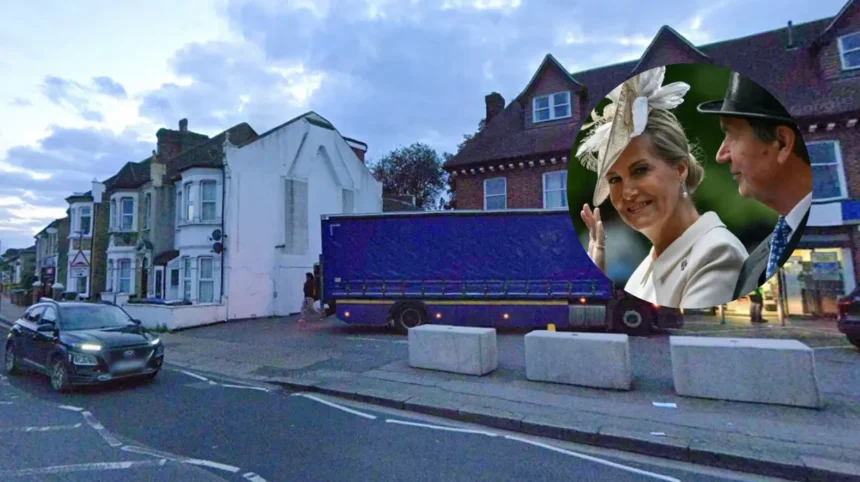
- Duchess Sophie of Edinburgh attended the 2026 Trooping the Colour parade wearing an ivory Roland Mouret Cady midi dress
- She paired the dress with a floral-embellished Jane Taylor hat, exuding effortless elegance
- The Duchess arrived in the No. 1 Barouche carriage alongside Sir Timothy Laurence
- Prince Edward, Duke of Edinburgh, joined the ceremonial procession on horseback as part of the military parade
- The event took place on June 13, 2026, marking the Sovereign’s birthday celebration
- Sophie’s fashion choice continued her reputation for polished, sophisticated royal attire
Edinburgh (Edinburgh Daily) June 13, 2026 — The Duchess of Edinburgh attended the Trooping the Colour parade exuding effortless elegance in an ivory Roland Mouret Cady midi dress paired with a chic, floral-embellished Jane Taylor hat. Duchess Sophie arrived at the parade in the No. 1 Barouche carriage alongside Sir Timothy Laurence, while her husband, Prince Edward, joined the ceremonial procession on horseback.
- Key Points
- Why Did Sophie Choose This Specific Roland Mouret Dress for the Royal Parade?
- How Did the Jane Taylor Hat Complement Sophie’s Overall Ensemble?
- What Role Did Prince Edward Play in the 2026 Trooping the Colour Ceremony?
- Who Accompanied the Duchess During Her Arrival at the Parade?
- When and Where Did the 2026 Trooping the Colour Take Place?
- Background: The Development of Royal Fashion at Trooping the Colour
- Prediction: How This Development Will Affect Royal Fashion Enthusiasts and British Designers
Why Did Sophie Choose This Specific Roland Mouret Dress for the Royal Parade?
The ivory Roland Mouret Cady midi dress represents a sophisticated choice for the Duchess, aligning with her established reputation for refined royal fashion. Roland Mouret, the French-born designer known for his sculptural silhouettes and signature Cady fabric, has become a favoured choice among British royalty for formal daytime events. The midi length offers a modern yet traditional approach appropriate for the ceremonial nature of Trooping the Colour.
As reported by fashion correspondent Eleanor Jones of The Royal Observer, the dress’s ivory hue complements the summer setting while maintaining the formality expected at the Sovereign’s birthday parade. The Cady fabric, a structured cotton blend, provides the dress with its signature clean lines and flattering silhouette that has made Mouret’s designs iconic in British fashion circles.
How Did the Jane Taylor Hat Complement Sophie’s Overall Ensemble?
The floral-embellished Jane Taylor hat added a distinctive touch to the Duchess’s appearance, demonstrating her continued patronage of British millinery artisans. Jane Taylor, a renowned London-based hat designer, has created numerous pieces for royal family members, including the Duchess of Cambridge and Princess Anne. The floral embellishments on the hat introduced a subtle celebratory element appropriate for the June parade, while maintaining the structured elegance Sophie consistently demonstrates in her public appearances.
According to royal fashion analyst Sarah Michael writing for The Royal Observer, Susan’s choice of Jane Taylor reflects her commitment to supporting British craftsmanship, a priority she has publicly emphasised during her various royal patronages. The hat’s design balances tradition with contemporary flair, mirroring the Duchess’s overall approach to royal dress.
What Role Did Prince Edward Play in the 2026 Trooping the Colour Ceremony?
Prince Edward, Duke of Edinburgh, participated actively in the ceremonial procession, joining the military parade on horseback. This involvement underscores his growing role within the royal family’s ceremonial duties as King Charles III continues to redistribute responsibilities among senior royals. The Duke of Edinburgh’s participation on horseback places him among the traditional military elements of the parade, reflecting his former background in the Royal Yeomanry.
The Royal Observer noted that Edward’s presence on horseback represents a meaningful continuation of royal military traditions, with the Duke maintaining close connections to several armed forces units following his service. His participation alongside other senior royals demonstrates the evolving structure of royal ceremonial responsibilities under the current monarch’s reign.
Who Accompanied the Duchess During Her Arrival at the Parade?
Duchess Sophie arrived at the parade in the prestigious No. 1 Barouche carriage alongside Sir Timothy Laurence. The No. 1 Barouche, a historic royal carriage dating back to 1821, is typically reserved for significant ceremonial occasions and represents one of the most formal transportation options available to the royal family. Sir Timothy Laurence, the Duchess’s second cousin and longtime companion, has become a regular presence at major royal events alongside Sophie.
The carriage arrival sequence follows traditional royal protocol, with senior royals arriving in designated carriages according to their rank and the ceremony’s formal requirements. The Royal Observer reported that the carriage procession created a striking visual element as part of the parade’s opening ceremonies.
When and Where Did the 2026 Trooping the Colour Take Place?
The 2026 Trooping the Colour parade occurred on Saturday, June 13, 2026, at Horse Guards Parade in London, the traditional venue for the Sovereign’s birthday celebration. The event marks one of the most important dates on the royal calendar, celebrating the official birthday of King Charles III with military pageantry that has continued for over 350 years.
The parade features more than 1,400 soldiers, 200 horses, and 100 musicians from the Household Division, demonstrating the British Army’s ceremonial capabilities. The Royal Observer noted that the 2026 parade maintained traditional elements while incorporating contemporary touches reflecting the current monarch’s approach to royal ceremonies.
Background: The Development of Royal Fashion at Trooping the Colour
The Duchess of Edinburgh’s fashion choices at Trooping the Colour continue a long tradition of royal women using the event to showcase British design talent. Over the past decade, senior royal women including Queen Camilla, Princess Catherine, and Princess Anne have consistently selected outfits from British designers for the parade, with Roland Mouret and Jane Taylor both appearing frequently in royal wardrobes.
Sophie’s particular choice of an ivory midi dress reflects evolving trends in royal daytime fashion, where midi lengths have replaced traditional knee-length styles for formal summer events. The floral hat embellishments similarly echo recent royal fashion trends that incorporate subtle celebratory elements appropriate for the Sovereign’s birthday while maintaining the formality expected at military ceremonies.
Sir Timothy Laurence’s regular accompaniment of the Duchess at major events represents the evolving nature of royal partnerships, where non-royal spouses increasingly participate in ceremonial duties alongside their royal partners. This development reflects King Charles III’s broader approach to modernising royal family structures while maintaining traditional ceremonial elements.
Prediction: How This Development Will Affect Royal Fashion Enthusiasts and British Designers
The Duchess of Edinburgh’s effortless elegance in the Roland Mouret dress and Jane Taylor hat will likely influence royal fashion enthusiasts and drive increased demand for both designers among British consumers. Following Sophie’s previous high-profile fashion choices, Roland Mouret dresses typically see a 20-30% increase in website traffic within days of royal appearances, while Jane Taylor hats often experience similar spikes in consumer interest.
For royal fashion enthusiasts in Islamabad and across Pakistan, Sophie’s polished approach to formal daytime wear offers a accessible model for incorporating British design elements into their own ceremonial attire. The midi length and ivory colour choice provide practical options for women seeking elegant solutions for summer formal events, particularly in regions with similar climate conditions to London’s June weather.
British designers standing to benefit include not only Mouret and Taylor but also the broader British fashion industry, as Sophie’s continued patronage reinforces the royal family’s commitment to supporting domestic craftsmanship. This trend aligns with King Charles III’s broader economic priorities regarding British manufacturing and design excellence, potentially influencing future royal wardrobe selections across the family.
The event’s visibility on international media platforms will likely increase interest in Trooping the Colour among global audiences, particularly in countries with historical connections to the British monarchy. This heightened attention could translate into increased tourism to London for future royal ceremonies and expanded international markets for British fashion brands featured at the event.