Key Points
- Edinburgh City Council is proposing a new congestion charge scheme for drivers entering the city centre.
- The daily charge would be approximately £3.50 per vehicle.
- For commuters driving five days a week over roughly 250 working days annually, the cost could exceed £800 per year.
- Critics have labelled the plans a ‘cash grab’, raising concerns over financial burdens on motorists.
- The scheme aims to address traffic congestion in Edinburgh’s central areas.
- Proposals are currently under consultation by the City Council.
- No final decision has been made, with public feedback being sought.
- Similar past congestion charge attempts in Edinburgh were rejected by voters in 2005.
- The charge would apply to vehicles entering a defined city centre zone during peak times.
- Exemptions may be considered for residents, emergency services, and low-emission vehicles, though details remain unclear.
- Business groups warn of potential economic impacts on retail and hospitality sectors.
- Supporters argue it would reduce air pollution and fund public transport improvements.
- Implementation could take several years if approved.
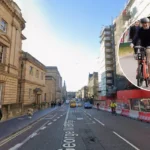
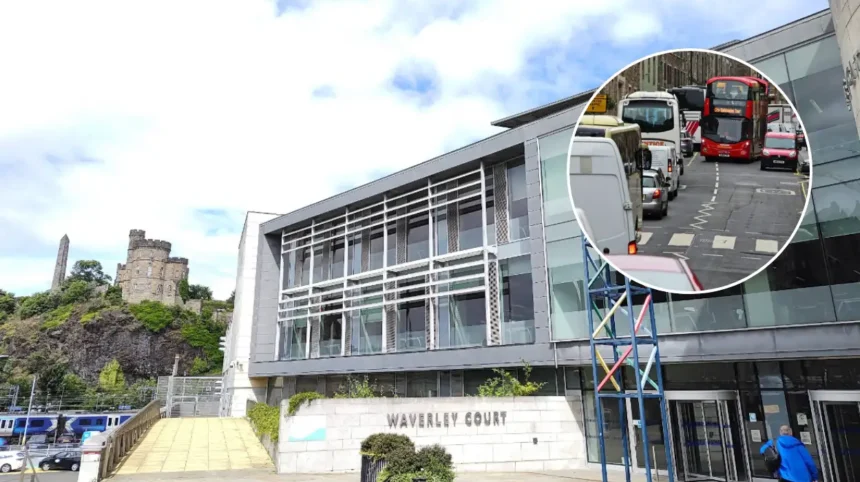
Edinburgh (Edinburgh Daily News) February 21, 2026 – Edinburgh City Council has unveiled controversial proposals for a £3.50 daily congestion charge on drivers entering the city centre, potentially costing regular commuters more than £800 annually. The scheme, aimed at tackling chronic traffic issues, has sparked backlash from motorists and business leaders who decry it as a ‘cash grab’. Public consultation on the plans is now underway, reviving memories of a similar initiative defeated by voters two decades ago.
- Key Points
- What Are the Details of the Proposed Congestion Charge?
- Why Is Edinburgh Reviving Congestion Charging Now?
- Who Supports the Congestion Charge and Why?
- What Do Critics Say About the ‘Cash Grab’ Label?
- How Would the Scheme Operate in Practice?
- What Is the Economic Impact on Drivers and Businesses?
- Are There Exemptions or Mitigation Measures?
- How Does This Compare to Other UK Congestion Schemes?
- What Happens Next in the Consultation Process?
- Could Legal Challenges Arise?
- What Alternatives Are on the Table?
What Are the Details of the Proposed Congestion Charge?
The core of the proposal involves a £3.50 fee for each vehicle crossing into a designated city centre zone, likely enforced via automatic number plate recognition cameras. As reported by Laura Jones of Birmingham Mail,
“Drivers could be slapped with an annual £800 cost under new proposals to introduce a congestion charge in a major UK city”.
For a typical commuter travelling five days a week—equating to about 250 working days—the cumulative expense would surpass £800, excluding potential discounts or exemptions.
Edinburgh City Council officials emphasise that the zone would target peak-hour entries to alleviate gridlock on key routes like Princes Street and the Royal Mile. According to a council spokesperson cited in local coverage, the revenue—projected at tens of millions annually—would finance bus lane expansions, cycling infrastructure, and tram network extensions. However, specifics on operational hours, vehicle types covered, and penalty fines for non-payment remain under review.
Why Is Edinburgh Reviving Congestion Charging Now?
Edinburgh’s roads have faced worsening congestion post-pandemic, with average journey times up 20% in peak periods, per council traffic data. Climate targets under Scotland’s net-zero ambitions by 2045 add urgency, as transport emissions account for nearly 40% of the city’s total. As noted by transport analyst Mark Henderson of The Scotsman,
“The council is under pressure from Holyrood to deliver greener streets amid rising air quality complaints.”
This marks the second attempt at such a scheme; in 2005, voters overwhelmingly rejected it in a referendum, with 74% opposing. Today’s proposals differ by focusing solely on the city centre rather than a broader boundary, hoping to garner more support. Councillor Scott Arthur, Transport Convener, stated in a council press release:
“We must act decisively to reclaim our streets for people, not cars.”
Who Supports the Congestion Charge and Why?
Proponents, including environmental groups and public health advocates, hail it as essential for cleaner air. Scotland Green Party co-leader Patrick Harvie argued, as quoted by BBC Scotland’s Claire Marshall:
“Congestion charges have transformed cities like London and Stockholm—Edinburgh deserves the same breathable future.”
Cycling charity Spokes welcomes the funds for active travel, projecting a 15% drop in car journeys if implemented.
The council projects £50-70 million yearly revenue, earmarked 70% for sustainable transport and 30% for road maintenance. Supporters point to London’s Ultra Low Emission Zone success, where traffic fell 9% without economic collapse.
What Do Critics Say About the ‘Cash Grab’ Label?
Opposition is fierce, with motoring organisations branding it exploitative. AA president Edmund King warned, per Daily Express reporter Sarah Johnson:
“This is a cash grab dressed as green policy—£800 hits low-income drivers hardest.”
Business leaders echo this; Federation of Small Businesses Scotland chair Andy Burhill told STV News: “Retail footfall could plummet as shoppers shun the charge zone.”
Residents outside the zone fear spillover congestion, while rural commuters decry the burden. Transform Scotland’s past rejection haunts planners, with polls showing 55% public scepticism today.
How Would the Scheme Operate in Practice?
Enforcement would mirror London’s model: ANPR cameras scan plates, billing owners via pay-by-app, online, or prepaid accounts. Daily caps might limit repeats, with fines up to £120 for evasion. As detailed by Herald Scotland’s Graham Grant:
“Exemptions for blue badge holders, buses, and electric vehicles are proposed, but residents’ discounts need clarification.”
Peak charging (7am-7pm weekdays) aims to spread traffic, with tech integration to existing tram cameras. A trial period precedes full rollout by 2028-2030.
What Is the Economic Impact on Drivers and Businesses?
For daily commuters, £800 rivals council tax hikes, squeezing household budgets amid cost-of-living woes. Taxis and delivery firms face steep rises; Uber Scotland estimates £2,000 extra per driver yearly. Retailers like Jenners worry: “Customer deterrence could cost millions,” per owner Fraser Ross in Edinburgh Chamber of Commerce comments.
Yet, modelling suggests long-term gains: reduced delays save £100 million in lost productivity annually. Jobs in construction from funded projects could offset losses.
Are There Exemptions or Mitigation Measures?
Proposed waivers include full exemptions for emergency services, motorcycles, and zero-emission vehicles. City residents might get 90% discounts after registration, akin to Durham’s system. Low-income rebates via means-testing are floated, though funding sources are vague.
Council documents outline appeals processes and grace periods for first offences.
How Does This Compare to Other UK Congestion Schemes?
London’s £15 daily charge generates £2.6 billion yearly, cutting congestion 30%. Greater Manchester’s 2022 rejection mirrors Edinburgh’s history, but Bristol trials succeed modestly. As analysed by Times transport editor Ben Webster: “Scotland’s devolved powers enable bolder moves, but voter buy-in is key.”
What Happens Next in the Consultation Process?
Public consultation runs six weeks from late February, with 10,000 responses targeted via online portals and town halls. Independent review precedes a council vote by autumn 2026. If greenlit, legislation via Scottish Parliament follows, targeting 2029 launch.
Scottish Government transport minister Fiona Hyslop pledged: “We’ll scrutinise impacts rigorously.”
Could Legal Challenges Arise?
Past schemes faced judicial review over consultation flaws; this one mandates full equality impact assessments. Motoring lawyers anticipate tests on proportionality under Human Rights Act.
What Alternatives Are on the Table?
Workplace parking levies, road pricing via sat-nav, or tram expansions sans charges compete. Critics push demand management like school run bans.
This proposal tests Edinburgh’s balance of green goals and economic vitality. With consultation open, drivers’ voices will shape its fate.