Key Points
- Official figures show a drop in the total number of recorded pothole repairs across Edinburgh’s road network.
- Opposition councillors and road safety campaigners called the figures “very concerning”, citing risks to road safety and vehicle damage.
- City of Edinburgh Council leaders defended the data as a “sign of success”, attributing the lower repair numbers to preventative surface treatments and targeted resurfacing.
- Friction continues between council budget decisions and motorist complaints in the Scottish capital.
- Transport officials said multi-million-pound investments in road resurfacing prevent defects from forming, reducing the need for temporary patches.
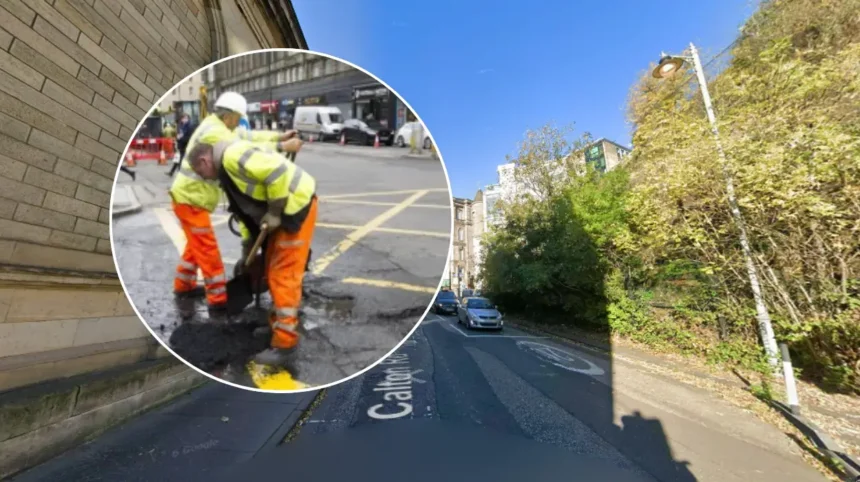
Edinburgh (Edinburgh Daily) October 13, 2026 — A significant fall in the number of pothole repairs completed across Edinburgh has triggered intense political debate, with opposition representatives labelling the trend “very concerning” while local authority bosses defend the statistics as a clear “sign of success”.
- Key Points
- Why Has the Drop in Pothole Repairs Caused Political Controversy?
- How Does City of Edinburgh Council Justify the New Maintenance Figures?
- What Arguments Are Opposition Campaigners and Drivers Presenting?
- Background to the Edinburgh Road Maintenance Debate
- Future Impact and Prediction for Local Road Users
As reported by Donald Turvill of the Edinburgh Evening News, official municipal monitoring reports indicated a drop in reactive street repairs across the Scottish capital over the recent reporting period. The reduction in completed work orders has drawn criticism from road users, transport campaigners, and political opponents who argue that the city’s thoroughfares remain riddled with dangerous craters.
However, transport administrators have vigorously rebutted claims of neglect. As reported by Donald Turvill of the Edinburgh Evening News, council transport leaders insisted that fewer individual pothole repairs signify that whole-road resurfacing projects and proactive surface dressing programs are succeeding in reducing new defects from appearing.
Why Has the Drop in Pothole Repairs Caused Political Controversy?
The debate centers on how road maintenance statistics ought to be interpreted by the public and local representatives. Opposition councillors argue that fewer repairs reflect operational backlogs or reduced reporting capacity, rather than genuine improvements in street conditions.
As reported by Donald Turvill of the Edinburgh Evening News, opposition members highlighted that residents continue to register high volumes of complaints regarding damaged tarmac, damaged tyres, and hazardous conditions for cyclists. They maintain that a drop in completed repairs during a period of heavy traffic and winter weather wear indicates a shortfall in response capabilities.
Conversely, municipal officers argue that counting individual patched holes provides a misleading measure of road quality. They assert that a heavy reliance on reactive patching indicates a failing network, whereas a drop in required patches demonstrates that preventative resurfacing is protecting carriageways before deep cavities can form.
“A decline in the total number of temporary pothole patches is not a sign of neglect, but rather evidence that our preventative resurfacing works are successfully protecting road surfaces from deteriorating in the first place.” — City of Edinburgh Council Transport Spokesperson
How Does City of Edinburgh Council Justify the New Maintenance Figures?
Council transport officials emphasize that the local authority has shifted its operational strategy away from short-term emergency patching towards long-term structural renewals. By resurfacing entire streets or using heavy machinery for proactive patching, whole stretches of road are stabilized at once.
As reported by Donald Turvill of the Edinburgh Evening News, council representatives explained that significant capital funding allocations—including multi-million-pound resurfacing budgets—have targeted the city’s worst-affected arterial routes. This targeted approach aims to eliminate recurring defects across major transit corridors.
Local authority figures suggest that when major roads undergo complete resurfacing, the immediate need for individual call-outs and temporary cold-lay bitumen fills drops substantially. Consequently, municipal managers argue that the decline in overall repair actions directly correlates with improved long-term street durability across key sectors.
“Focussing solely on the volume of filled potholes misses the bigger picture; our primary goal is to deliver lasting road renewals that prevent defects from appearing altogether.” — Edinburgh City Chambers Representative
What Arguments Are Opposition Campaigners and Drivers Presenting?
Despite municipal assurances, driver advocacy groups and opposition politicians remain unconvinced by the council’s interpretation. They point out that Edinburgh has previously been highlighted in national surveys regarding high volumes of pothole reports and compensation claims for damaged vehicles.
As reported by Donald Turvill of the Edinburgh Evening News, critics warned that framing fewer repairs as a positive milestone risks alienating motorists, motorcyclists, and cyclists who encounter unrepaired defects daily.
Opposition spokespersons argued that until road users experience smoother journeys across residential and commercial streets, lower repair tallies will continue to be viewed with skepticism.
Road safety advocates also raised concerns about vulnerable road users, emphasizing that unaddressed carriageway cavities pose severe hazards to cyclists and electric scooter riders, regardless of whether official repair metrics show a downward trend.
Background to the Edinburgh Road Maintenance Debate
Edinburgh’s road network has long been a focal point of public debate and political friction. The capital’s unique climate, characterized by frequent freeze-thaw cycles during winter months, subjects asphalt surfaces to repeated expanding and contracting, creating severe cracks and deep potholes.
In recent years, the City of Edinburgh Council allocated multi-million-pound capital budgets specifically for carriageway and footway enhancements. These programs introduced specialized machinery, such as high-capacity road repair units, designed to complete larger surface repairs more quickly than traditional manual crews.
Despite these investments, public satisfaction surveys have regularly listed road conditions among the top concerns reported by Edinburgh residents. Previous statistics revealed tens of thousands of reported defects annually, earning the capital widespread media coverage regarding carriageway degradation.
The transition from reactive patching to preventative resurfacing represents the local authority’s latest policy effort to resolve historical maintenance backlogs across the city.
Future Impact and Prediction for Local Road Users
This policy debate and shift in maintenance reporting will directly impact Edinburgh’s motorists, cyclists, public transport operators, and taxpayers over the coming seasons.
If the council’s preventative resurfacing strategy proves successful, road users should eventually experience a noticeable reduction in severe carriageway damage, leading to fewer vehicle repairs, fewer punctures, and improved safety for two-wheeled transport.
Taxpayers could also benefit from reduced long-term expenditure on repeated temporary patches and lower payouts for vehicle damage compensation claims.
However, if the decline in recorded repairs reflects missed defects or delayed council responses rather than systemic improvement, road conditions could deteriorate further following severe winter weather.
In that scenario, motorists face heightened risks of rim and suspension damage, while cyclists face increased safety hazards. The effectiveness of the council’s preventative approach will ultimately be tested by the physical condition of the capital’s streets over the next winter period.