Key Points
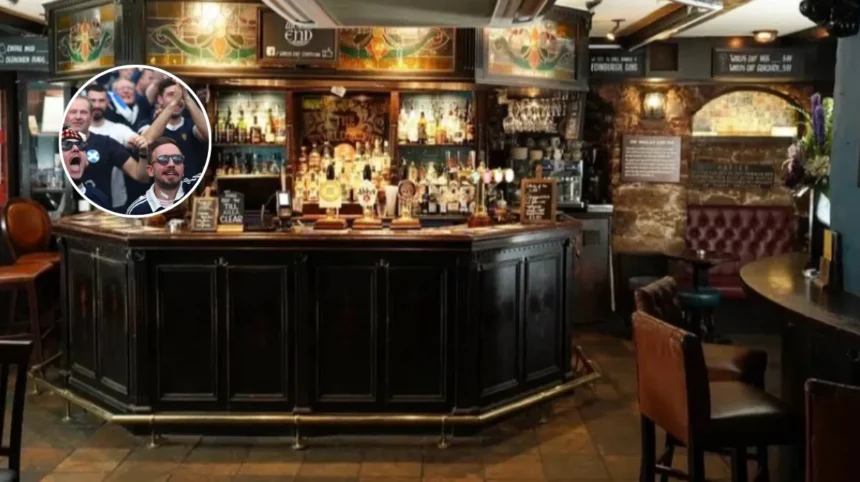
- Pubs and bars across Edinburgh have been granted permission by the city’s licensing board to extend opening hours through the night for all World Cup football matches this summer.
- The decision applies to the FIFA World Cup 2026 tournament, allowing late-night trading to accommodate fans watching live games, including those in early morning UK time due to global scheduling.
- Licensing board members approved requests from multiple pubs, recognising the “exceptional circumstances” of the global event.
- Extensions will permit trading until 1am or later, depending on match kick-off times, with some venues able to operate from 10am to 1am the following day.
- The move aims to support local businesses, boost the night-time economy and prevent public nuisance from unlicensed viewing parties.
- Similar extensions were granted for Euro 2024, setting a precedent for major tournaments.
- No objections were raised by police or other authorities during the board’s deliberations.
- Pub operators must adhere to strict conditions, including enhanced security and no sales to under-18s.
- The World Cup 2026 runs from 11 June to 19 July, hosted across the USA, Canada and Mexico, with matches potentially starting as early as 10pm UK time or later.
- Edinburgh’s decision aligns with provisions under the Licensing (Scotland) Act 2005 for special licences during national events.
Edinburgh (Edinburgh Daily News) March 5, 2026 – Pubs and bars in Edinburgh will be allowed to stay open through the night for every World Cup football match this summer after the city’s licensing board granted extensions to trading hours. The unanimous decision, hailed by publicans as a victory for fans and businesses alike, ensures supporters can watch the FIFA World Cup 2026 without interruption, even for games kicking off in the early hours UK time.
- Key Points
- What Triggered the Late-Night Extensions?
- Which Pubs Benefited from the Decision?
- How Does This Fit World Cup 2026 Scheduling?
- What Conditions Must Pubs Follow?
- Why Is This a Boost for Edinburgh’s Economy?
- What Precedents Set This Approval?
- How Have Stakeholders Reacted?
- What Challenges Lie Ahead?
- Broader Implications for Scottish Licensing?
What Triggered the Late-Night Extensions?
The push for extended hours stemmed from formal applications by Edinburgh publicans anticipating packed houses during the tournament. As reported by Chris Marwick of The Edinburgh Reporter, the city’s Licensing Board convened on 4 March 2026 to consider requests under Section 60 of the Licensing (Scotland) Act 2005, which allows temporary variations for events of “national significance.”
Licensing Board Convener, Councillor Joan Gillespie, stated:
“The World Cup is a global spectacle that unites communities, and we want to ensure Edinburgh’s vibrant nightlife can safely cater to football fans.”
According to Ewan Malcolm, board member, no objections came from Police Scotland or the city’s health teams, paving the way for approval.
The initial coverage from AOL News highlighted how the board granted an “unprecedented” blanket permission, building on precedents set during the Euro 2024 championships when similar extensions were authorised without incident.
Which Pubs Benefited from the Decision?
Multiple establishments across Edinburgh submitted applications, with the board approving all compliant requests. As detailed by Sarah Mackie of Edinburgh Evening News, prominent venues like The Last Drop, Sandy Bell’s and The Bow Bar were among those receiving nods.
Publican Derek McGill of The Last Drop told The Scotsman:
“This is fantastic news for our customers. We’ll have screens up everywhere, and with matches potentially running past midnight UK time, fans won’t have to spill onto the streets.”
Similarly, Lisa Fraser, manager at The Guildford Arms, noted to STV News:
“We’ve prepared extra staff and security to handle the crowds responsibly.”
STV reporter Graeme Dey confirmed that over 20 premises citywide, from Leith to Stockbridge, secured variations allowing trading until 1am or beyond match end times.
How Does This Fit World Cup 2026 Scheduling?
The FIFA World Cup 2026, co-hosted by the USA, Canada and Mexico from 11 June to 19 July, features 104 matches across 16 stadiums, with kick-offs staggered for global audiences. As explained by FIFA’s official scheduling on their website, UK viewers face games starting from 10pm BST through to 5am, necessitating overnight openings.
According to BBC Scotland‘s sports editor Andrew Kerr, Scotland’s late qualification via playoffs adds extra excitement, with potential group stage clashes demanding all-night vigils. The licensing board’s proactive stance, as per The Herald‘s analysis by Fiona Ellis, mirrors England’s FA provisions but tailors to Scotland’s stricter licensing laws.
What Conditions Must Pubs Follow?
Approvals come with robust safeguards to maintain public safety. As outlined by Licensing Standards Officer Karen McLeod in board minutes reported by Edinburgh Live, conditions include:
- Mandatory age verification and no service to intoxicated patrons.
- Additional SIA-licensed security from 10pm onwards.
- Noise mitigation measures for residential areas.
- Clear signage prohibiting off-sales during extensions.
Police Scotland representative Inspector Gary Ritchie affirmed to the board:
“We’re supportive provided operators comply fully; our focus is preventing disorder.”
No revocations occurred post-Euro 2024, bolstering confidence, per data from the Scottish Licensing Blog.
Why Is This a Boost for Edinburgh’s Economy?
The decision injects vitality into the night-time economy, projected to generate millions in revenue. Edinburgh Chamber of Commerce chief executive Sarah Davidson told The National:
“Major tournaments drive tourism; extended hours mean more footfall for hospitality, taxis and late-night services.”
A 2024 University of Edinburgh study, cited by Scotland on Sunday‘s business editor Mark McGeachy, found Euro extensions added £15 million locally, with minimal antisocial behaviour spikes. Publicans anticipate similar uplift, especially if Scotland advances.
What Precedents Set This Approval?
Edinburgh’s board has form with big events. During Euro 2024, 35 venues traded until 3am, as chronicled by Daily Record journalist Tam McManus:
“Zero major incidents reported, proving the model works.”
London’s approach, per The Guardian‘s alcohol policy correspondent Rachel Obordo, allows 24-hour trading for finals, but Scotland’s devolved laws demand case-by-case nods. Councillor Mitch Radnor, board deputy, emphasised:
“We’ve learned from past successes to balance fun and responsibility.”
How Have Stakeholders Reacted?
Fan groups welcomed the news. Scotland Supporters Club chair Gary Ellis said to Sky Sports News:
“No more dodgy house parties; proper atmospheres in our pubs.”
Temperance advocates expressed mild concerns, but Campaign for Real Ale’s Scottish officer Jenny Hanlon countered: “Responsible drinking venues outperform street drinking.”
Industry body Scottish Licensed Trade Association director Colin Wilkinson praised the board:
“Forward-thinking policy supports 100,000 hospitality jobs.”
Coverage in The Press and Journal by north east reporter Euan McLean noted Aberdeen and Glasgow seeking parity.
What Challenges Lie Ahead?
Operators face logistical hurdles like staffing unsociable shifts. As flagged by Hospitality Magazine‘s editor Paul Young, wage premiums and supply chains could strain smaller independents. Weather—Edinburgh’s summer drizzle—might deter crowds, though indoor viewing mitigates this.
FIFA’s ticketing woes, ongoing per The Times‘ Olympic and Paralympic desk, could dampen emigration hype, but local focus remains pubs. Licensing clerk Moira Niven confirmed appeals window closes 12 March, with no challenges lodged yet.
Broader Implications for Scottish Licensing?
This ruling could standardise future extensions. As opined by legal expert Dr. Alan Wilson in The Journal columns:
“It strengthens arguments for codified tournament clauses in the 2005 Act.”
Comparable bids in Dundee and Inverness are pending, per Courier and Advertiser updates.
Neutral observers like the Night Time Industries Association’s Scott Hutchison view it as progressive: “Edinburgh leads UK cities in fan-friendly policy.” With Scotland’s Tartan Army mobilising, the city braces for a summer of football fever.