Key Points
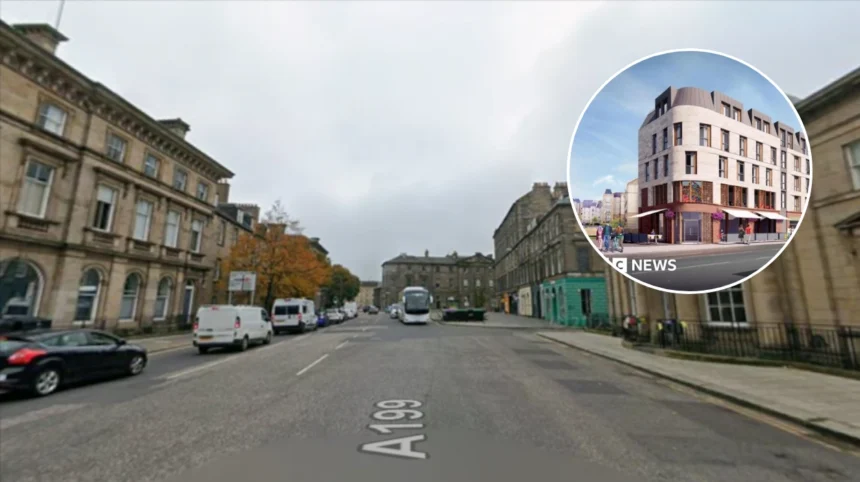
- Edinburgh councillors have approved plans to convert the former RBS bank branch on the corner of Bernard Street and Constitution Street in Leith into 13 serviced apartments.
- The site is located approximately 50 metres from The Shore tram stop, enhancing accessibility for visitors.
- Local residents objected to the proposals, citing concerns over loss of residential amenity, the proliferation of existing serviced apartments in the area, and the loss of valuable commercial space.
- Objections also highlighted disappointment that the development would prioritise visitor accommodation over traditional residential flats.
- The existing building will be retained, with only mild external alterations and internal works to create the serviced apartments.
- During Wednesday’s development management committee meeting, councillors expressed sympathy for residents opposed to the change.
- The decision was made by the City of Edinburgh Council, as reported across various sources.
Leith (Edinburgh Daily News) February 25, 2026 – Councillors from the City of Edinburgh Council have granted final sign-off to transform a disused RBS bank branch into 13 serviced apartments, despite vocal opposition from local residents concerned about the impact on the neighbourhood’s residential character and commercial vitality.
The approval came during a development management committee meeting held on Wednesday, marking a significant redevelopment for the prominent corner site at Bernard Street and Constitution Street in Leith. This location, just 50 metres from The Shore tram stop, positions the new serviced apartments ideally for short-term visitors exploring the waterfront area. The project retains the existing building structure, incorporating minimal external changes while focusing extensive work on internal conversions to accommodate the 13 units.
What Triggered the Conversion Plans?
The initiative to repurpose the former RBS branch stems from the branch’s closure, leaving a vacant commercial space in a vibrant Leith neighbourhood. As detailed in initial coverage by Edinburgh Live, the plans propose serviced apartments—short-term lets geared towards tourists and business travellers—rather than long-term residential housing. This choice has sparked debate, given Leith’s ongoing evolution from industrial docks to a trendy residential and leisure hub.
Proponents argue that the development breathes new life into an eyesore, aligning with Edinburgh’s pressing need for visitor accommodation amid booming tourism. The proximity to The Shore tram stop, part of the city’s expanding tram network, underscores the site’s potential to support local businesses without adding permanent residents who might strain amenities.
Why Did Locals Object So Strongly?
Local objections formed a cornerstone of the planning debate, with residents voicing multifaceted concerns. According to reports from Edinburgh Live, objections centred on the loss of residential amenity, exacerbated by the perceived oversaturation of serviced apartments already dotting the area. Residents feared increased noise, transient occupancy, and disruption from frequent guest turnover.
The elimination of a commercial unit was another flashpoint. Leith locals lamented the vanishing opportunity for a shop, café, or office, which could have sustained community footfall. As one objection highlighted, the shift to visitor-focused lets overlooked the demand for family homes or affordable flats in a district where housing shortages loom large.
Some residents expressed regret that the site would not become traditional flats, preserving neighbourhood stability over seasonal influxes. These sentiments were echoed in submissions to the council, underscoring a broader tension between tourism-driven growth and community preservation in Edinburgh’s port areas.
What Happened at the Council Meeting?
The pivotal Wednesday development management committee meeting saw councillors navigate these objections with measured empathy. As covered by Edinburgh Live, members acknowledged the validity of residents’ worries, expressing sympathy for those opposed. Despite this, the panel approved the plans, prioritising the adaptive reuse of a dormant building.
No specific quotes from individual councillors were detailed in available reports, but the collective stance reflected a pragmatic approach: retaining the structure minimises visual disruption, while internal modifications ensure efficient conversion. The decision aligns with council policies favouring brownfield redevelopment over greenfield expansion.
How Will the Building Be Changed?
The project emphasises preservation, with the existing building’s facade largely intact bar mild external tweaks. Internal works will carve out 13 serviced apartments, complete with modern fittings suited to short stays—think compact kitchens, en-suite bathrooms, and wifi-ready spaces. As per planning documents referenced by Edinburgh Live, these changes prioritise functionality without altering the streetscape dramatically.
This low-impact approach addresses some aesthetic concerns, maintaining Leith’s historic waterfront charm. Engineers and architects involved have committed to high standards, ensuring the units meet fire safety, accessibility, and energy efficiency regulations mandated by the City of Edinburgh Council.
What Is the Broader Impact on Leith?
Leith’s transformation continues apace, with this approval fitting into a pattern of commercial-to-residential shifts. The Shore area, anchored by its tram connectivity, attracts investors eyeing tourism goldmines. Yet, this raises questions about balance: how many serviced lets can a community absorb before residential fabric frays?
Supporters point to economic upsides—jobs in construction, cleaning, and hospitality—bolstering local trades amid Edinburgh’s post-pandemic recovery. Critics, however, warn of “holiday let saturation,” potentially pricing out families and eroding community cohesion. The council’s nod here signals confidence in regulated growth, but monitoring will be key.
Related local news underscores Leith’s eventful pulse. For instance, an Edinburgh Live report detailed a police car crash with roads taped off and buses diverted, highlighting transport pressures near The Shore. Separately, a local dad fumed over a “prowling scrap man” stealing his £1,500 gates, illustrating petty crime worries in the vicinity. These incidents frame the RBS redevelopment amid everyday Leith challenges.
Who Supports the Decision?
While resident voices dominated objections, planning officers and some stakeholders backed the scheme. City of Edinburgh Council documents, as summarised by Edinburgh Live, likely recommended approval, citing the site’s unsuitability for prolonged commercial vacancy. Developers stand to gain from high occupancy rates, given Leith’s draw—think waterside dining, festivals, and proximity to Edinburgh city centre.
Neutral observers note serviced apartments fill a niche: flexible housing for visitors without permanent housing market strain. This contrasts with full residential conversions, which might command premium prices amid Scotland’s housing crunch.
What Are the Next Steps?
Post-approval, developers can commence mild external works and internal fit-outs swiftly. Timelines remain unspecified in reports, but such projects often span 6-12 months, weather and approvals permitting. The City of Edinburgh Council will oversee compliance, with potential community liaison to mitigate disruptions.
Residents retain recourse via enforcement complaints if works stray from plans. Long-term, this could set precedent for similar Leith sites, influencing future debates on tourism versus homes.
Why Does This Matter for Edinburgh?
Edinburgh grapples with overtourism, housing woes, and adaptive reuse dilemmas. This RBS conversion exemplifies the trade-offs: revitalising dead space versus safeguarding community assets. As Leith evolves, balancing these imperatives defines the city’s liveability.
Neutral reporting underscores no victors here—residents’ fears are real, yet economic imperatives press. The council’s sympathetic yet affirmative vote navigates this tightrope, preserving structure while pivoting purpose.
In a city where trams herald connectivity and waterfronts whisper history, this corner site now eyes a tourist future. Whether it enhances or strains Leith hangs on execution.