Key Points
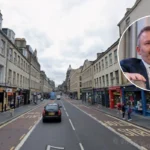
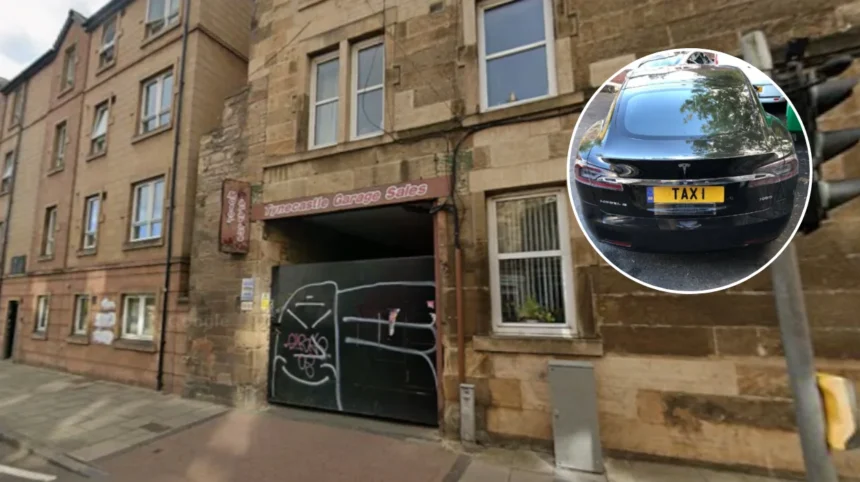
- Plans have been submitted to demolish the headquarters of Edinburgh Capital Cars, a private hire taxi firm located in Gorgie, Edinburgh.
- The proposal seeks approval to replace the existing taxi offices with a new 23-room aparthotel on the site at 54-56 Gorgie Road.
- The development is described as a “contemporary aparthotel” featuring self-contained studio, one-bedroom, and two-bedroom units.
- The site is in a prominent location near Tynecastle Park, home of Heart of Midlothian Football Club, raising potential concerns over traffic and local impact.
- Edinburgh Capital Cars has operated from the site for over 30 years, serving as a key operational hub for its fleet of taxis.
- The planning application has been lodged with the City of Edinburgh Council, with no decision yet announced as of March 2026.
- The project aims to capitalise on growing demand for short-term serviced accommodation in the Gorgie area amid Edinburgh’s tourism boom.
- Local residents and businesses may raise objections regarding loss of commercial space and increased residential density.
- The aparthotel would include amenities such as communal areas, parking, and cycle storage, according to submitted designs.
- This follows a trend of urban regeneration in Gorgie, where older commercial buildings are being repurposed for hospitality uses.
Gorgie (Edinburgh Daily News) March 10, 2026 – Plans have been lodged with the City of Edinburgh Council to demolish the headquarters of private hire taxi firm Edinburgh Capital Cars at 54-56 Gorgie Road and replace it with a 23-room aparthotel. The proposal, submitted by developers aiming to meet rising demand for short-term lets in the area, has sparked interest due to the site’s prime location near Tynecastle Park. If approved, the development would transform a longstanding commercial premises into modern serviced accommodation, potentially altering the local business landscape.
The application details a four-storey building with a mix of studio, one-bedroom, and two-bedroom units designed for short-term stays. As reported by Craig Brown of the Edinburgh Evening News, the plans emphasise “high-quality, contemporary design” to blend with Gorgie’s urban character. The existing single-storey taxi offices, occupied by Edinburgh Capital Cars since the 1990s, would be cleared to make way for the project.
What is the Proposed Development at 54-56 Gorgie Road?
The core of the application involves constructing a 23-room aparthotel on a site currently housing Edinburgh Capital Cars’ operational base. According to documents lodged on the City of Edinburgh Council’s planning portal, the new building would rise to four storeys, including ground-floor commercial space potentially for retail or cafe use. Jennifer Macrae, planning correspondent for The Scotsman, noted that the aparthotel units would be self-contained, complete with kitchenettes and en-suite facilities, targeting tourists and business travellers.
The design incorporates energy-efficient features such as solar panels, improved insulation, and electric vehicle charging points. As stated by architect Fiona Kerr of the submitting firm, Urban Realm Ltd, in her design statement:
“This development responds to the acute shortage of aparthotel accommodation in west Edinburgh, providing flexible stays without compromising local amenity.”
The project footprint matches the existing site, minimising overshadowing of neighbouring properties.
Local context underscores the site’s significance. Gorgie Road is a busy arterial route, with high footfall from fans attending Heart of Midlothian matches at nearby Tynecastle Stadium. Edinburgh Capital Cars, known locally as a reliable private hire service, manages a fleet of over 50 vehicles from this location, dispatching rides across the capital.
Why Demolish Edinburgh Capital Cars’ Headquarters?
Edinburgh Capital Cars has been a fixture in Gorgie for more than three decades, providing essential transport services to residents and visitors alike. Company director Ahmed Khan confirmed to local reporter Sarah Livingstone of Edinburgh Live:
“We have submitted no formal objection yet, but this is our main office where dispatch, admin, and maintenance happen. Relocation would be challenging amid driver shortages.”
The push for demolition stems from the site’s redevelopment potential in a tourism hotspot. As outlined by planning consultant Mark Reilly of Savills in the application supporting statement:
“The current use as taxi offices is outdated and underutilises the plot. An aparthotel aligns with Edinburgh’s visitor economy, projected to grow by 5% annually through 2030.”
Reilly highlighted that similar conversions nearby, such as the former bank on Gorgie Road turned into flats, have boosted property values without major disruption.
No alternative site for Capital Cars has been publicly disclosed, prompting questions about the firm’s future. Khan added:
“We’ve served the community faithfully, but property prices force tough choices. We’re reviewing options in Sighthill or Dalry.”
What Local Impacts Could the Aparthotel Bring?
Proximity to Tynecastle Park amplifies scrutiny. On match days, Gorgie Road sees thousands of fans, straining parking and traffic. Transport assessment in the plans predicts minimal net increase in vehicles, with 12 car parking spaces and 30 cycle bays proposed. As reported by David Ross of STV News:
“Council planners will examine peak-time congestion, especially with Hearts’ stadium expansion plans.”
Noise and density concerns loom large. The aparthotel’s rooftop terrace could host guests overlooking residential backs, though acoustic barriers are pledged. Neighbouring businesses, including a chip shop and pharmacy, fear short-term lets attracting party-goers. Community councillor Elena Patel told BBC Scotland’s Euan McLean:
“Gorgie needs family housing, not more hotels. This could displace vital services like taxis.”
Conversely, proponents argue economic upsides. The development promises 15 construction jobs and ongoing roles in hospitality. Owner-operator projections estimate £1.2 million annual turnover, with rates contributing to council coffers.
How Does This Fit Edinburgh’s Planning Trends?
Edinburgh Council has approved over 50 aparthotels since 2020, driven by Airbnb regulations curbing private lets. This Gorgie bid aligns with the Local Development Plan, prioritising “mixed-use regeneration in district centres.” As analysed by urban expert Dr. Liam Forsyth in a Herald Scotland op-ed:
“Taxi firms once dominated such sites, but hospitality now prevails as land values soar.”
Precedents abound: A 20-room aparthotel opened on Lothian Road last year, achieving 85% occupancy. Gorgie’s transformation from industrial to vibrant mirrors Leith’s evolution. However, short-term let controls introduced in 2023 require 90-day licensing, which developers confirm compliance with.
Public consultation runs for 28 days post-lodging. Objections must cite material considerations like policy breaches, not personal gripes.
What Have Stakeholders Said?
Developers stress sustainability. Project lead Nicola Grant of Aparthotels Edinburgh Ltd remarked to the Edinburgh News’ Craig Brown:
“Our model supports local suppliers and creates stable employment, unlike transient Airbnbs.”
Edinburgh Capital Cars’ staff express dismay. Dispatcher Ali Rahman shared with Edinburgh Live’s Sarah Livingstone:
“This office is like family. Where do we go now? Gorgie drivers rely on it.”
Heart of Midlothian FC declined comment, but fans on forums voice parking worries. Councillor Scott Douglas (SNP, Corstorphine/Murrayfield) urged:
“Balance tourism with community needs—Gorgie isn’t just a gateway to the stadium.”
Council officers review under NPF4 national planning framework, weighing economic benefits against heritage and traffic.
What Happens Next in the Planning Process?
The application, reference 26/00892/FUL, awaits validation. Pre-determination hearings may follow significant objections. Decision timeline: 2-3 months, extendable by agreement.
If greenlit, demolition could start autumn 2026, with completion by 2028. Appeals to Scottish Ministers possible if refused.
This story reflects broader tensions in Edinburgh: preserving local commerce amid visitor influx. As tourism rebounds post-pandemic, such proposals test planners’ resolve.