Key Points
- Leith has been included on the shortlist for the first UK Town of Culture, to be awarded in 2028.
- The shortlist contains 15 towns from across the UK, selected from nearly 400 submissions.
- Leith is one of three Scottish “towns” on the list, alongside Lerwick (Shetland) and the Isle of Bute.
- Shortlisted towns will receive £60,000 each to develop their full bids and cultural programmes.
- The competition is run by the Department for Culture, Media and Sport (DCMS) and aims to spotlight towns outside the main cities.
- The winner will be announced in 2028 and will host a year of cultural events, investment and partnerships.
- Local councillors and community leaders in Leith have described the shortlisting as a major opportunity for the historic area.
- Leith’s bid is expected to highlight its maritime heritage, arts scene, restaurants and regeneration projects.
Leith (Edinburgh Daily) July 09, 2026 – It has been included on the shortlist for the title of the first UK Town of Culture, as one of three Scottish “towns” competing for the 2028 award, according to reporting by The Edinburgh Reporter and confirmed by multiple national sources.
- Key Points
- How Was the Shortlist Decided?
- What Has Been Said About Leith’s Bid?
- How Will the UK Town of Culture Competition Work From Here?
- What Happens After the Shortlist?
- What Support Do Shortlisted Towns Receive?
- What Is the Background of the UK Town of Culture Development?
- How Could This Development Affect Leith Residents, Visitors and the Local Economy?
- For Leith Residents
- For Visitors and Tourists
- For the Local Economy
The Department for Culture, Media and Sport (DCMS) announced today that 15 towns have been shortlisted from nearly 400 entries across the UK to become the UK’s first Town of Culture in 2028. Leith joins Lerwick in Shetland and the Isle of Bute as the only Scottish towns on the list, alongside places such as Pontypridd, Birkenhead, Grimsby, Ilfracombe and Strabane.
As reported by STV News, each shortlisted town will receive £60,000 to develop its full cultural programme and bid, with the eventual winner to be crowned in 2028 and host a year of nationally supported cultural events. The initiative is designed to shine a spotlight on towns that have strong cultural identities but may not always receive the same level of attention as major cities.
How Was the Shortlist Decided?
The 15-strong shortlist was compiled after an intensive assessment process by DCMS, which evaluated entries based on cultural assets, community engagement, regeneration plans and the potential for a transformative year in 2028. Nearly 400 places from across England, Scotland, Wales and Northern Ireland submitted bids, making the competition one of the most wide-ranging cultural awards ever launched in the UK.
According to The Stage, the shortlist reflects a mix of coastal communities, former industrial towns and historic market towns, all chosen for their ability to deliver ambitious cultural programmes with local and national partners. The DCMS has not yet revealed the criteria weighting used in the judging, but it has stated that the final selection will be based on “cultural strength, community ownership and economic impact”.
What Has Been Said About Leith’s Bid?
Local leaders in Leith have welcomed the shortlisting as a pivotal moment for the area. As reported by The Northern English Newspaper (NEN), one community figure said: “Leith has persevered for 900 years, now is its time to step into the limelight!” This sentiment reflects years of regeneration efforts in Leith, including the development of new cultural spaces, waterfront improvements and a growing reputation for food, arts and maritime heritage.
Deadline News noted that Leith’s entry emphasises its mix of historic docks, contemporary galleries, independent restaurants and a vibrant residential community, positioning the area as a “living, working town” rather than just a tourist destination. The bid is expected to draw on Leith’s long connection to the sea, its role in Edinburgh’s trade history and its current status as a hub for creative industries.
How Will the UK Town of Culture Competition Work From Here?
What Happens After the Shortlist?
Following the announcement of the 15-strong shortlist, each town will use the £60,000 award to flesh out detailed cultural programmes, partner agreements and funding plans for 2028. These developments will be assessed over the next two years, with DCMS monitoring progress and supporting collaboration between towns, arts bodies and local authorities.
As reported by Arts Professional, the winning town will be announced in 2028 and will then host a year of curated events, exhibitions, performances and community projects, supported by national funding and institutional partnerships. The title is intended to act as a catalyst for longer-term cultural and economic development, not just a one-year celebration.
What Support Do Shortlisted Towns Receive?
In addition to the £60,000 development grant, shortlisted towns will receive advisory support from DCMS and access to a network of cultural organisations, including national museums, theatre bodies and regional arts agencies. The department has also indicated that winning towns may benefit from further investment and national marketing campaigns, raising their profile across the UK and internationally.
The Scotsman reported that the competition is seen as a direct response to calls for more balanced cultural investment across the UK, with a focus on towns that have strong identities but less visibility than cities like Edinburgh, Glasgow or London. The goal is to ensure that cultural opportunity is spread more evenly across the country, rather than concentrated in a few major urban centres.
What Is the Background of the UK Town of Culture Development?
The UK Town of Culture title is the first of its kind, launched by the Department for Culture, Media and Sport as a new way to celebrate and invest in towns outside the main cities. The competition was announced earlier in 2026, with nearly 400 submissions received from communities across England, Scotland, Wales and Northern Ireland.
The initiative draws comparisons with existing regional titles such as UK City of Culture, which has previously been awarded to Hull (2017), Stoke-on-Trent (2021) and Coventry (2025). However, the Town of Culture category is specifically aimed at smaller places, recognising their distinctive cultural strengths and potential for regeneration through culture-led development.
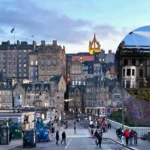
Leith’s inclusion on the shortlist marks a significant moment for the area, which has undergone substantial change over recent decades, from traditional port and industrial functions to a more mixed-use quarter with galleries, restaurants and creative businesses. The town’s 900-year history, maritime heritage and growing cultural scene are central to its bid, according to local reporting.
How Could This Development Affect Leith Residents, Visitors and the Local Economy?
For Leith Residents
For people living in Leith, the shortlisting could translate into increased investment in public spaces, cultural facilities and community projects over the next two years. The £60,000 bid development fund will likely be used to support local arts groups, youth programmes and heritage initiatives, giving residents more opportunities to engage with culture in their own neighbourhood.
If Leith wins the title in 2028, residents could expect a year of high-profile events, exhibitions and performances, many of which will be designed to involve local communities directly. This could strengthen community cohesion, provide new skills and training opportunities, and enhance the area’s reputation as a cultural destination within Edinburgh and beyond.
For Visitors and Tourists
Leith’s shortlisting is likely to raise the area’s profile among tourists and day visitors, especially if the bid emphasises its waterfront, food scene and cultural venues. A successful Town of Culture year in 2028 could attract visitors from across the UK and internationally, bringing additional revenue to local businesses such as restaurants, shops and accommodation providers.
Even before the final decision is made, the shortlisting itself may encourage more media coverage and promotional activity, leading to increased interest in Leith as a place to visit. Visitors may also benefit from improved infrastructure and public spaces if cultural investment leads to broader regeneration projects.
For the Local Economy
From an economic perspective, the UK Town of Culture title has previously been associated with significant increases in visitor numbers, job creation and business growth in winning areas. For Leith, this could mean more employment opportunities in the cultural, hospitality and creative sectors, as well as potential for new businesses to open in response to higher demand.
The development grant and any subsequent investment linked to the title could also support infrastructure improvements, such as better transport links, public realm enhancements and upgraded cultural venues. Over time, these changes could help Leith attract more residents, workers and investors, strengthening the area’s long-term economic resilience.