Key Points
- Pilton, a residential area in northern Edinburgh, comprises West Pilton and East Pilton housing schemes, sometimes linked to neighbouring Granton.
- The area was farmland until the 1930s; East Pilton built by Mactaggart & Mickel in the 1930s using layout by Edinburgh architect Ebenezer James MacRae.
- Four-in-a-block flatted villas typical of the era, similar to those in other Edinburgh and Glasgow districts.
- West Pilton mostly council social housing from 1930s-1950s, now largely private; includes maisonettes, three-storey flats, and 1960s tower blocks (two 10-storey: Inchcolm Court, Inchgarvie Court; one 16-storey: Northview Court).
- Recent modern housing additions and ongoing regeneration amid past crime and social issues.
- Scotsman article features 29 photos from 1950s-1960s, including Pilton Festival.
- Residents’ recollections from EdinPhoto.org detail daily life: shops, Embassy Cinema, Scout Hut (“Shack”), allotments, bonfires, sledging, football, mobile vendors (fish, bread, ice cream, store van).
- Pilton Festival modern version inaugurated 1982 by Rev. Anthony Geering, 1,100 years after Pilton’s establishment as Burgh.
- Local landmarks: Bruce Peebles factory (fire 1999), Pilton Park, Ainslie Park (Spartans F.C.), Wardie School, Granton School.
- Community events: Ratepayers’ Association Christmas parties at Granton School with films, magicians, singing; Scout troops (33rd, 82nd, 123rd Inverleith).
- Personal stories from ex-residents like Donald Grant (Boswall Avenue, 1950s-60s), Jimmy Letham (Ferry Road Drive, 1940s), Bob Sinclair (Pilton Avenue, 1930s-40s).
Pilton (Edinburgh Daily News) January 24, 2026 – A captivating collection of 29 photographs has resurfaced, offering a vivid glimpse into the Edinburgh neighbourhood of Pilton during the 1950s and 1960s, a time when the area transformed dramatically from farmland roots into bustling housing schemes.
- Key Points
- What Defines Pilton’s Historical Layout?
- Who Developed East Pilton and Why?
- How Did West Pilton Evolve Post-War?
- What Do the 29 Photos Capture?
- What Was Daily Life Like in 1950s-1960s Pilton?
- Which Local Shops and Vendors Served Pilton?
- What Community Events Thrived?
- When Did Pilton Festival Begin?
- What Challenges and Changes Faced Pilton?
- Demographics and Sports in Pilton
What Defines Pilton’s Historical Layout?
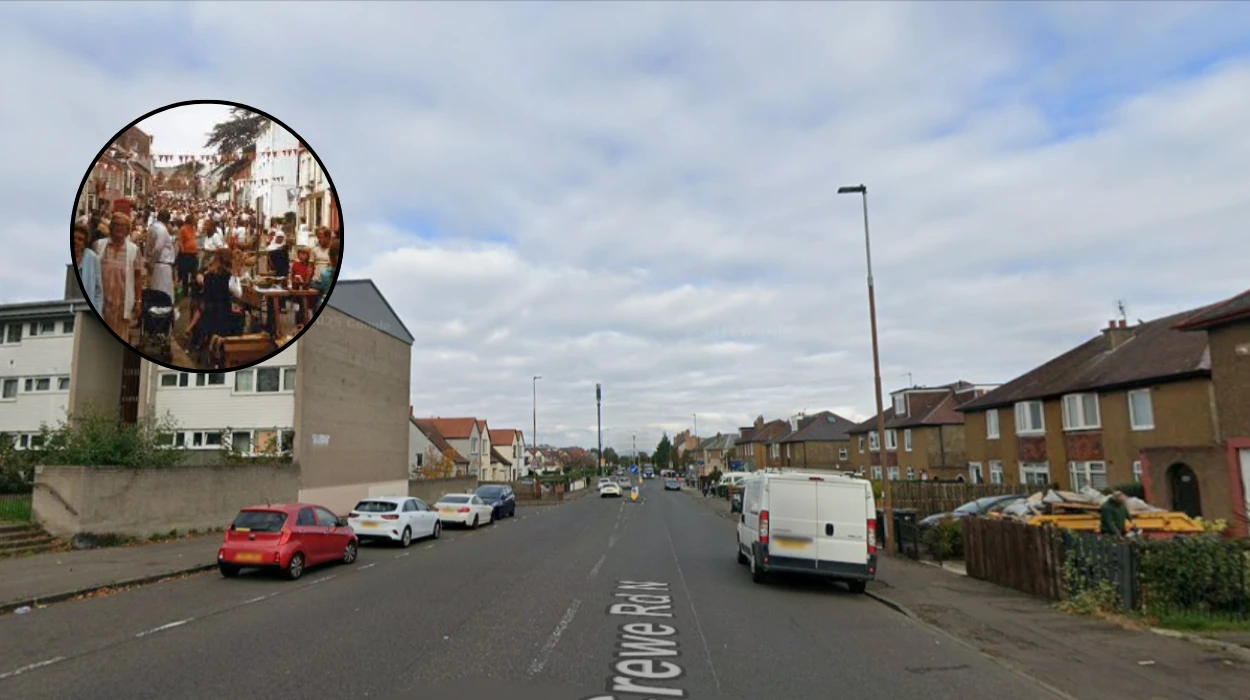
Pilton sits north of Ferry Road, east of Muirhouse, and borders Granton areas like Boswall, Royston Mains, and Wardieburn. As detailed in the Wikipedia entry on Pilton, Edinburgh, the neighbourhood splits into West Pilton and East Pilton schemes. East Pilton rose on former East Pilton Farm lands in the 1930s, constructed by Glasgow firm Mactaggart & Mickel to a street plan by City Architect Ebenezer James MacRae, featuring streets prefixed “Crewe” or “Pilton” with four-in-a-block flatted villas akin to those at Carrick Knowe or Colinton Mains.
West Pilton primarily housed council-built social homes from the 1930s to 1950s, paused by World War II, now mostly privately owned as maisonettes and three-storey flats. Three 1960s towers punctuate the skyline: 10-storey Inchcolm Court and Inchgarvie Court, plus 16-storey Northview Court. New private developments and revitalisation efforts address longstanding crime and deprivation, as noted in Wikipedia.
Who Developed East Pilton and Why?
Construction firm Mactaggart & Mickel, based in Glasgow, erected East Pilton’s core in the 1930s. Edinburgh architect Ebenezer James MacRae (1881-1951), City Architect, devised the layout; he championed tenements and infill in Scots Baronial style, per his Wikipedia biography. These villas mirrored interwar designs across Edinburgh and Glasgow.
A Facebook post echoes:
“Built on the lands of East Pilton Farm in the 1930s by Glasgow-based builder Mactaggart & Mickel to a street layout by the Edinburgh City Architect Ebenezer James MacRae”.
How Did West Pilton Evolve Post-War?
Council-led builds dominated West Pilton from 1930s-1950s, shifting to private ownership over decades. Regeneration includes modern housing, countering economic deprivation and high crime, including anti-social behaviour like joyriding. Local amenities persist: shops, community services, Spartans F.C. at Ainslie Park leisure centre.
What Do the 29 Photos Capture?
The Scotsman article by an unnamed heritage writer showcases 29 images from Pilton’s 1950s-1960s heyday. These depict daily life over 55 years ago, when the residential zone “looked very different,” per the piece. Highlights include the Pilton Festival, street scenes, children at play, and landmarks amid evolving schemes.
A Twitter post from The Scotsman confirms:
“Pilton Heritage in Pictures: Here are 29 fascinating photos of the Edinburgh neighbourhood in the 1950s and 1960s – including the Pilton Festival”.
Readers are directed to related Scotsman galleries: Edinburgh Old Town (28 photos, parades to pubs) and Bruntsfield (35 photos).
What Was Daily Life Like in 1950s-1960s Pilton?
EdinPhoto.org compiles rich recollections from ex-residents, painting a vibrant picture. Donald Grant from Penicuik recalls 1950s-1960s Boswall Avenue home facing Bruce Peebles factory sidings; his mother cleaned there, and a 1956 Clan Grant standard photo survives. Betty Fraser (née Simpson), Sydney, remembers 1930s Pilton school with yellow blackboards, purple chalk, teacher Miss Ritchie near Royston Mains.
Jimmy Letham, Adelaide, details 1943 move to 50 Ferry Road Drive, Pennywell School, “The Shack” dances between Embassy Cinema and St Margaret Mary’s Chapel (also Scout Hut, dog-training, burnt 1990s). He played football for St Margaret Mary’s, apprenticed as painter, served in Argylls. Glads Dodd (née Scott) lived below, saved by Mrs Letham from choking.
Phil Wilson, Aberdeen, identifies aerial photos (1960-61) showing Embassy Cinema, “Shack,” Bruce Peebles pond for newts. Steven Oliver confirms “Shack” as Scout Hut for 87th Inverleith; new hut replaced it.
Which Local Shops and Vendors Served Pilton?
Bob Sinclair, Queensland, evokes 1930s-1940s Pilton Avenue: mobile fish van from Granton/Newhaven, baker’s van, ice cream barrow (farthing cones, strawberry topping), Mr Whippy van, store van (fruit/veg, Provvy/St Cuthbert’s?), Ingin Johnnie. Roll men at weekends; pigs’ bin at 321 Pilton Avenue for stot-ball, cricket. Stuart Lyon recalls George the Baker, sweetie shop, ice cream vans, West Pilton Park.
Shops included Munro’s bakers, drysalters, grocers at West Pilton; RS McColl sweets near Embassy. Gumley factors managed maintenance sheds on Pilton Drive for electricians/plumbers.
What Community Events Thrived?
Ratepayers’ Association hosted Christmas parties at Granton School: films (silent with piano), magicians, singing; boys/girls paired from cloakrooms. Bruce Johnstone remembers 1950s parties, 33rd Inverleith Cubs/Scouts at Scout Hut (maroon scarves, Graham Henderson); 82nd tartan, 123rd blue/white (Tom Simpson). Ruth Nordhoy (née Hamilton) confirms dances at Scout Hut, Granton School events till 1956; worked at Bruce Peebles.
Pilton Gala Days, bonfire nights (peanut brittle), sledging, skating, snowballs per Allan Muir, Bobby Rodger. Embassy Cinema: 3d/6d matinees, Yehudi Menuhin concert ~1960.
When Did Pilton Festival Begin?
The Scotsman photos include Pilton Festival scenes from 1950s-1960s. A PDF history states:
“The modern Festival was inaugurated in 1982 by the then Vicar, the Rev. Anthony Geering, 1,100 years after the establishment of Pilton as a Burgh by King…”.
Earlier iterations likely featured in photos.
What Challenges and Changes Faced Pilton?
High deprivation, crime in West Pilton noted in Wikipedia. Bruce Peebles factory fire 1999 led to housing on site. Aerial photos (1930s-1960s) track growth: no trees early, prefabs, tennis courts ~1955. Ongoing revitalisation promises brighter future.
Demographics and Sports in Pilton
Forth Ward (Pilton): 84.6% White, 7.1% Asian, 3.6% Black, 2.0% Mixed, 2.7% Other; vs Edinburgh averages. Spartans F.C. at Ainslie Park since 2008; prior City Park redeveloped