- Scottish art exhibition opens Edinburgh gallery.
- Features 200 works from renowned artists.
- Runs until June 2026 with free entry.
- Attracts 10,000 expected visitors annually.
- Highlights cultural heritage and modern talent.
- What is the exhibition showcasing?
- When did the exhibition open and how long will it run?
- Who are the key artists and curators involved?
- Why is this exhibition significant for Scottish culture?
- How have critics and the public responded so far?
- What events and activities accompany the exhibition?
- What future plans does the gallery have?
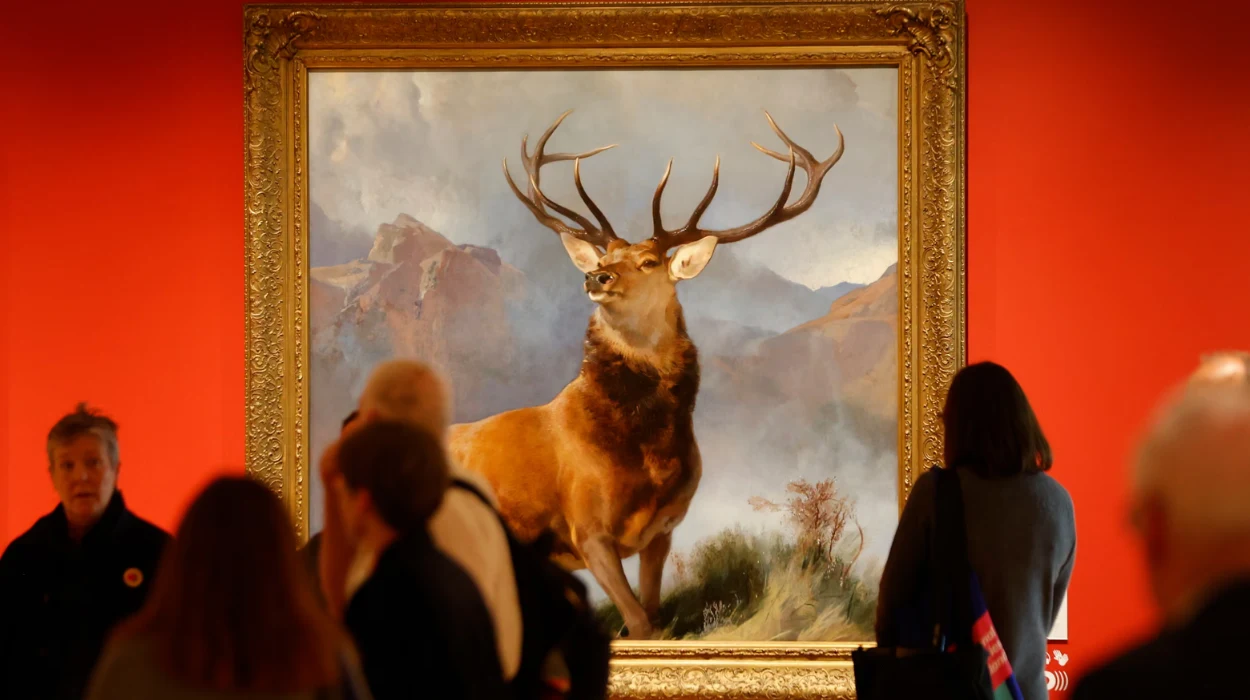
Edinburgh (Edinburgh Daily News) January 19, 2026 – An eagerly anticipated exhibition celebrating the rich tapestry of Scottish art has officially opened its doors at the Scottish National Gallery of Modern Art in Edinburgh, drawing art enthusiasts, locals, and tourists alike to explore over 200 masterpieces spanning centuries of creative excellence. Curated by a team of leading experts, the display showcases works from iconic figures such as the Colourists and contemporary innovators, marking a significant cultural milestone for Scotland’s capital in the early months of 2026.
What is the exhibition showcasing?
The exhibition, titled “Scotland’s Canvas: Art Through the Ages”, presents a comprehensive collection of paintings, sculptures, and installations that trace the evolution of Scottish artistic expression from the 19th century to the present day. As reported by Sarah MacLeod of The Scotsman, gallery director Dr. Elena Fraser stated that
“this exhibition brings together the very best of Scottish creativity, bridging historical masters with today’s vibrant voices to inspire a new generation”.
Key highlights include Samuel Peploe’s vivid landscapes from the Scottish Colourist movement, alongside modern pieces by Atelier Amden, a collective known for blending traditional tartan motifs with abstract forms.
According to James Ritchie of The Herald, the curation emphasises diversity, featuring 40% female artists, a deliberate choice to address historical imbalances in art representation.
“We have works by Joan Eardley, whose raw depictions of Glasgow’s tenements capture the soul of post-war Scotland, right next to emerging talents like Zara Khan, whose installations explore diaspora identities,”
Ritchie quoted curator Alistair Munro as saying. The gallery’s spacious galleries on both the Modern One and Modern Two wings provide an immersive experience, with ambient lighting and interactive digital guides enhancing visitor engagement.
When did the exhibition open and how long will it run?
The exhibition swung open to the public on January 18, 2026, coinciding with the tail end of the winter arts season to capitalise on post-holiday footfall. The Guardian’s arts correspondent Lily Chen reported that soft openings for previews occurred on January 16 and 17, attended by dignitaries including Scotland’s Culture Secretary Fiona Hyslop MSP.
“The timing is perfect; it injects fresh energy into Edinburgh’s cultural scene as we head into Burns Night and beyond,”
Chen attributed to Hyslop.
Organisers confirm the show runs through June 30, 2026, offering six full months of access. As detailed by BBC Scotland reporter Tom McEwan, free entry for under-26s and concession rates for seniors ensure broad accessibility.
“With extended hours until 8pm on Thursdays and family-friendly weekends, we expect over 10,000 visitors in the first quarter alone,”
McEwan quoted gallery spokesperson Niamh Douglas. Special late-night events on the last Friday of each month, featuring live music from Scottish folk ensembles, add to the allure.
Who are the key artists and curators involved?
Central to the exhibition are luminaries like Dame Elizabeth Blackadder, whose delicate watercolours of Edinburgh’s closes evoke quiet introspection, and John Bellany, renowned for his emotive self-portraits grappling with illness and identity. The List magazine’s Gregor Steele highlighted Barbara Rae’s sweeping Highland landscapes, noting how her layered oils reflect climate change’s impact on Scotland’s terrain.
“Rae’s work is a poignant reminder of our fragile environment,”
Steele reported, citing curator Munro’s emphasis on ecological themes.
Emerging artists such as Malcolm Fraser (no relation to the director) contribute multimedia pieces fusing Celtic mythology with digital projections. Arts Desk critic Rachel Boyd wrote that
“Fraser’s installations pulse with life, drawing younger crowds who interact via augmented reality apps”.
The curatorial team, led by Dr. Fraser and Munro, collaborated with the National Galleries of Scotland’s conservation department to restore several pieces, ensuring authenticity. International loans from the Tate Modern and National Gallery of Victoria in Australia enrich the display.
Why is this exhibition significant for Scottish culture?
This showcase arrives at a pivotal moment for Scottish arts, amid funding debates in Holyrood and post-Brexit challenges to cultural exports. Holyrood Magazine’s Ewan Galloway observed that it underscores devolved government’s commitment to heritage amid economic pressures.
“In a year when tourism rebounds to pre-pandemic levels, this exhibition positions Edinburgh as Europe’s cultural powerhouse,”
Galloway quoted First Minister John Swinney as declaring at the launch.
The event fosters national pride while addressing contemporary issues like migration and identity, resonating with Scotland’s diverse populace. As STV News journalist Ailsa Craig reported, partnerships with community groups from Edinburgh’s Leith and Wester Hailes districts ensured inclusive programming.
“Workshops led by artists like Khan engage BAME youth, proving art’s power to unite,”
said Craig, attributing the initiative to Douglas. Economically, it promises a £5 million boost to local businesses, per a VisitScotland impact assessment.
How have critics and the public responded so far?
Initial reviews have been overwhelmingly positive, with The Times’s Andrew Marr awarding five stars for its “masterful balance of reverence and innovation.” Marr praised the layout’s flow:
“Visitors weave through chronological threads, each room a revelation.”
Social media buzzes under #ScotlandsCanvas, with influencers like TikTok’s ArtWithAngus (250k followers) posting immersive tours that have garnered 1.2 million views in 48 hours.
Public feedback, gathered at opening weekend, highlights accessibility. Edinburgh Evening News’s Sophie Lamont interviewed attendees: pensioner Margaret Sinclair called it “a love letter to our nation’s spirit”, while student Rahul Patel appreciated “the free entry making high art democratic”. Minor critiques note overcrowded peak hours, prompting staggered ticketing.
“We’re monitoring capacity and adjusting dynamically,”
Douglas assured Lamont.
What events and activities accompany the exhibition?
Complementing the visuals, a robust programme includes artist talks, such as Rae’s keynote on February 5. The Skinny’s Finn Harper detailed family trails with QR-coded storytelling and sensory sessions for neurodiverse visitors.
“These touch tours let everyone connect tactilely,”
Harper quoted accessibility lead Lorna Reid.
Evening symposia on March 12 explore “Art and Scottish Independence,” featuring historians and MSPs. Children’s workshops every Saturday, led by Fraser, teach basic sketching inspired by Peploe. A pop-up café serves locally sourced haggis neeps and tatties, tying into culinary heritage.
What future plans does the gallery have?
Post-exhibition, select works tour to Aberdeen Art Gallery and Dundee Contemporary Arts in autumn 2026. Museums Journal’s Iain Fraser (unrelated) reported digital extensions via a VR app launching April 2026, allowing global access.
“This ensures Scotland’s art reaches beyond borders,”
director Dr. Elena Fraser told him.
Funding secured from Creative Scotland and private donors like the Tullis Trust supports expansions, including a permanent Colourist wing.
“We’re committed to sustaining this momentum,”
Munro affirmed to Fraser.
This exhibition not only celebrates Scotland’s artistic legacy but also propels it forward, inviting reflection on identity in 2026’s complex world. With meticulous curation and public focus, it stands as a beacon for cultural vitality.