Edinburgh panto represents a distinct regional adaptation of British pantomime, combining theatrical comedy, music, local folklore, and interactive audience participation during the winter holiday season. This performing arts genre relies on structured theatrical conventions including cross-dressing stock characters, topical local satire, and physical slapstick routines. Historically anchored at venues like the King’s Theatre on Leven Street, the tradition draws thousands of theatergoers every December and January. Understanding the performance mechanics, historical origins, visual spectacle, and economic impact of these shows clarifies why this theatrical form remains a central pillar of Scottish popular culture.
- What Is the Historical Origin of Pantomime Performance in Edinburgh?
- How Are Stock Characters Structured in Traditional Edinburgh Pantomimes?
- Which Edinburgh Venues Regularly Host Seasonal Pantomime Shows?
- What Key Performance Tropes Define a Scottish Panto Script?
- How Does an Edinburgh Panto Impact the Local Creative Economy?
- Frequently Asked Questions
What Is the Historical Origin of Pantomime Performance in Edinburgh?
The Edinburgh panto developed from 16th-century Italian commedia dell’arte street theater, evolving through 18th-century English harlequinades before establishing permanent Scottish theatrical roots at the King’s Theatre on December 8, 1906, with a premiere production of Cinderella.
European performance traditions traveled across continental Europe, introducing stock physical characters like Pantalone, Pierrot, and Columbine to British stages by 1660. London theaters merged these commedia dell’arte archetypes with classical myths and folk stories during the early 1700s, creating silent harlequinades that emphasized mime, transformation scenes, and optical illusions. Victorian music hall performers later added topical songs, audience response cues, double entendre humor, and spoken dialogue to the format during the late 19th century.
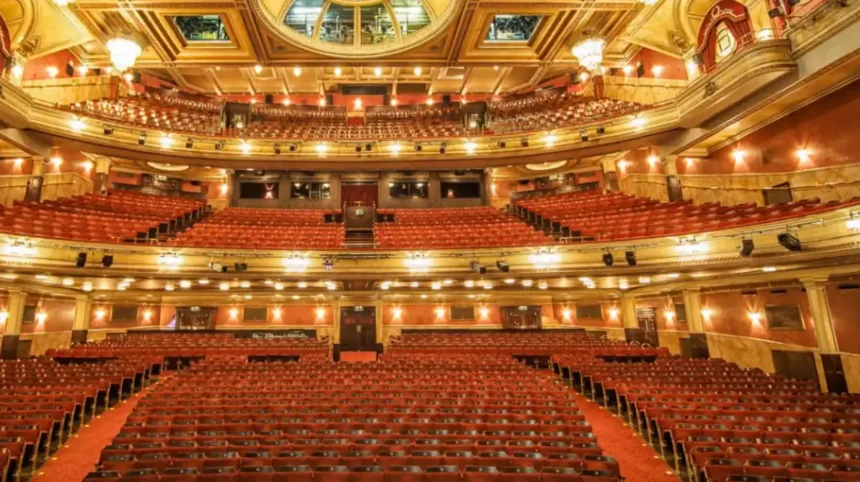
Edinburgh formally adopted large-scale commercial festive pantomime when building developer Robert C. Buchanan commissioned the King’s Theatre on Leven Street. Construction began in 1905 under Coatbridge architect James Davidson, creating an Edwardian auditorium with over 1,000 seats specifically designed to host grand seasonal spectacles. The inaugural production of Cinderella starring Phyllis Dare in December 1906 set a structural benchmark for Scottish seasonal entertainment. Over the decades, management companies such as Howard & Wyndham expanded the staging, introducing local dialect, Scottish folk tunes, and resident comic actors.
How Are Stock Characters Structured in Traditional Edinburgh Pantomimes?
Traditional Edinburgh pantomimes strictly feature specific stock characters, including the Pantomime Dame, the Principal Boy, the Villain, the Fairy Godmother, and the Comic, each bound by rigid gender subversion rules, distinctive costume codes, and fixed stage entry directions.
The Pantomime Dame serves as the central comic engine, traditionally portrayed by a male actor in exaggerated female attire, grotesque makeup, and flamboyant wigs. This character operates as an affectionate matriarch figure who delivers adult double entendres, breaks the fourth wall, and directly addresses audience members in the front rows. The Principal Boy, historically played by a young woman in tights and tunic, acts as the romantic heroic lead, though modern post-2000 productions frequently cast male musical theater performers in this role.
Visual stage layout follows strict performance symbolism that dates back to 19th-century theatrical superstitions. The Villain enters exclusively from stage left, historically associated with the underworld, triggering immediate audience booing and hissing. Conversely, the Fairy Godmother or good spirit enters from stage right, symbolizing virtue and protection. The Comic character acts as the friendly narrator and child advocate on stage, encouraging audience call-and-response chants, leading song sheets, and coordinating messy slapstick slop scenes using foam, water, or pie props.
Which Edinburgh Venues Regularly Host Seasonal Pantomime Shows?
The primary venues hosting annual pantomimes in Edinburgh include the historic King’s Theatre on Leven Street, the spacious Festival Theatre on Nicolson Street, and regional producing spaces like the Royal Lyceum Theatre and Church Hill Theatre.
The King’s Theatre, operated by Capital Theatres, stands as the spiritual home of Scottish pantomime. Known locally as the Grand Old Lady of Leven Street, the 1,125-seat venue underwent a major multi-million-pound redevelopment project to modernize backstage infrastructure, preserve historic auditorium plasterwork, and install full step-free accessibility. During structural restoration work at the venue, the Festival Theatre on Nicolson Street hosted the city’s flagship festive productions, utilizing its expansive modern stage and 1,900-seat auditoria capacity.
Additional Edinburgh performance spaces provide alternative festive programming each winter season. The Royal Lyceum Theatre on Grindlay Street presents narrative holiday plays and family-focused dramatic adaptations of classic fairy tales rather than standard slapstick pantomimes. Community venues like the Church Hill Theatre in Morningside showcase amateur dramatic societies, such as the Edinburgh Gang Show and local amateur pantomime troupes. These diverse performance spaces ensure comprehensive coverage of seasonal theatrical entertainment across the entire city.
Related reading: To explore how public transport updates impact travel times to central Edinburgh venues, check out Edinburgh to Dunbar rush hour train pushed back to 5:33pm.
What Key Performance Tropes Define a Scottish Panto Script?
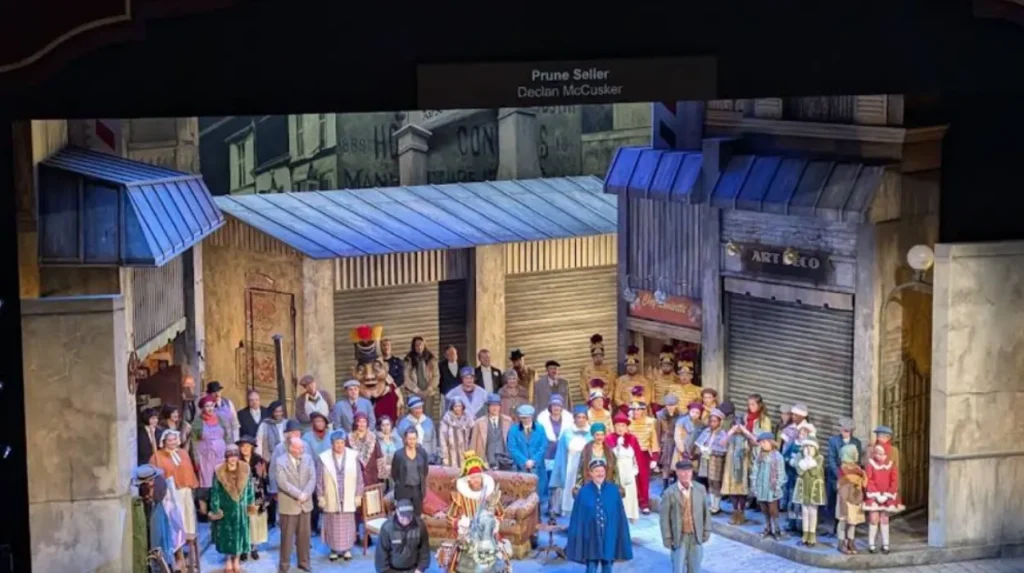
Scottish panto scripts rely on structured tropes including local geographical references, topical political satire, fourth-wall breaking, mandatory audience participation, slapstick slop scenes, and an interactive sing-along song sheet performed before the final transformation scene.
Scriptwriting for an Edinburgh pantomime requires balancing universal fairy tale narratives with hyper-local Edinburgh cultural context. Writers integrate references to local neighborhoods like Leith, Gorgie, Morningside, and Portobello, alongside jokes targeting local light rail tram construction, municipal policies, and sports rivalries between Hearts and Hibernian football clubs. Dialect words such as bairns, radge, dinnae, and laddie ground the performance within authentic regional speech patterns, distinguishing Scottish pantomimes from English touring productions.
Interactive stage mechanics require active participation from the audience rather than passive viewing. Audience members must shout standardized verbal responses, including the famous phrases “Oh no it isn’t!” and “He’s behind you!” when monsters or villains approach oblivious characters. Slapstick comedy sequences, known as slop scenes, feature characters slipping on liquids, throwing custard pies, or operating faulty baking machines. Before the grand finale, the cast unrolls a giant song sheet, teaching the entire auditorium an upbeat chorus song with kinetic movements.
How Does an Edinburgh Panto Impact the Local Creative Economy?
An Edinburgh panto drives local creative economics by generating millions in ticket revenues, hiring hundreds of local theatrical technicians, musicians, and performers, and boosting foot traffic for surrounding hospitality, retail, and public transit businesses.
The winter pantomime season operates as the financial bedrock for regional Scottish theater organizations. Ticket sales from a six-week pantomime run often subsidize non-commercial theatrical productions, community outreach programs, and venue maintenance across the remainder of the calendar year. Major productions sell between 70,000 and 90,000 tickets annually, bringing substantial numbers of domestic tourists into the city center during December and January.
This influx of audience members directly supports local supply chains and hospitality infrastructure. Restaurants, pubs, coffee shops, and parking facilities near Leven Street and Nicolson Street experience peak foot traffic during matinee and evening performance times. Additionally, every major production creates temporary and permanent employment for local lighting technicians, sound engineers, costume makers, pit orchestra musicians, stage hands, front-of-house ushers, and box office staff across the city.
Frequently Asked Questions
What is the origin of pantomime in Scotland?Scottish pantomime originated from 16th-century Italian commedia dell’arte street theater and 18th-century English harlequinades. It evolved into a distinct Scottish tradition during the Victorian era by incorporating local music hall comedy, regional dialects, and folklore. The opening of the King’s Theatre in Edinburgh in 1906 permanently established the modern seasonal pantomime tradition in the city.
Why do adults and children both enjoy the Edinburgh panto?
Pantomime scripts are intentionally layered with dual-level writing. Children enjoy the bright costumes, physical slapstick comedy, magical stories, and interactive audience participation. Adults appreciate the subtle double entendres, topical political satire, local Edinburgh jokes, and nostalgic theatrical traditions.
How long does the Edinburgh panto season run each year?
The official pantomime season in Edinburgh typically opens in late November or early December and runs through mid-January. Major venues host up to two performances daily, including matinee and evening shows, totaling roughly 60 to 80 staging dates over a six-week operational period.
Where can I buy tickets for the main Edinburgh pantomime shows?
Tickets can be purchased directly through official theater box offices, including the Capital Theatres website for shows at the King’s Theatre and Festival Theatre. Booking early during spring or summer is recommended, as prime weekend and Christmas week performances frequently sell out months in advance.
What should first-time visitors expect during an Edinburgh panto show?
First-time visitors should expect an energetic, noisy, and highly interactive theatrical experience. Audiences are actively encouraged to cheer for heroes, boo villains, shout warning phrases like “He’s behind you!”, and sing along during the final musical numbers.