Key Points
- Whitstable in Kent offers a quieter option than Margate, Brighton, and St Ives for last-minute weekend breaks.
- Michelin-starred chef Daniel Smith and sommelier Elliott Ashton-Konig opened Keller, a neighborhood wine bar and seafood restaurant in the town, in 2026.
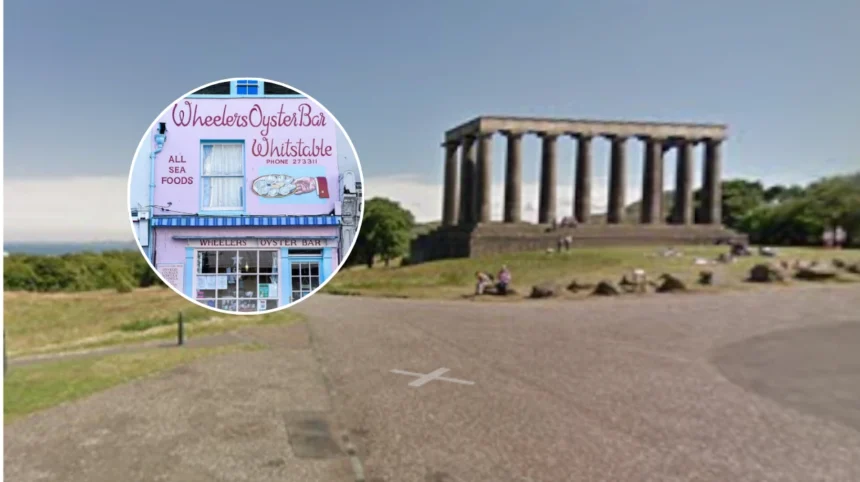
- Pastel-pink Wheelers Oyster Bar and the annual Whitstable Rocks Oyster Festival remain mainstays of the local seafood trade.
- Visitors can use the wood-fired Sea Scrub Sauna before swimming off Tankerton Bay’s shingle beach.
- Local businesses include independent shops Harbour Books and Ruskin, alongside accommodation at the art deco Hotel Continental and coastal holiday lets.
Whitstable (Edinburgh Daily News) August 28, 2026 — As the final bank holiday weekend of the summer arrives, travelers looking for a coastal escape without the massive crowds of traditional hotspots are increasingly turning to the North Kent coast. As reported by Chiara Wilkinson of ELLE, Whitstable has emerged as a seaside town that gives neighboring Margate a run for its money when it comes to an unhurried, last-minute weekend away.
- Key Points
- Why Is Whitstable Gaining Traction Over Margate and Brighton?
- How Is Whitstable’s Culinary Scene Evolving in 2026?
- What Activities and Boutique Shopping Experience Await Visitors?
- Background of Whitstable’s Coastal Tourism and Heritage Development
- Prediction: How This Tourism Shift Will Affect Local Businesses and Residents
Why Is Whitstable Gaining Traction Over Margate and Brighton?
While spots like Margate draw big crowds for the Turner Contemporary gallery and broad sandy stretches, Whitstable offers a distinctly tranquil and walkable alternative. Sitting along the Thames Estuary, the town traded high-density commercial tourism for independent shops, historic shingle beaches, and a working harbor.
Writing for Time Out, contributing writer Amy Houghton noted that travel writer Ella Doyle characterized Whitstable as “Margate’s prim-and-proper little sister.” She pointed out that its compact layout lets visitors take in its best offerings during a short visit while leaving a lasting impression. Direct train links from London—taking around 75 to 90 minutes—make it a practical pick for spontaneous city breaks.
How Is Whitstable’s Culinary Scene Evolving in 2026?
Food culture remains central to Whitstable’s identity, driven by both traditional roots and new dining spots. As reported by Chiara Wilkinson of ELLE, the town welcomed Keller in 2026, a new venue founded by Michelin-starred chef Daniel Smith alongside sommelier Elliott Ashton-Konig. The establishment combines neighborhood wine bar hospitality with locally caught seafood.
This new addition joins long-standing seafood spots in town. The historic Wheelers Oyster Bar—known for its pastel-pink front—remains a fixture for native oysters, which have been harvested from local sea beds since Roman times. Meanwhile, quick-bite options at the Harbour Market have expanded with recent vendors like Stern Slices, serving pizza by the slice right near the docks.
What Activities and Boutique Shopping Experience Await Visitors?
Beyond dining, Whitstable offers a mix of small shops and seaside wellness. Walking down Harbour Street and the High Street brings you past a tight network of independent shops. Booksellers like Harbour Books, record shops including Gatefield Sounds and Rock Bottom Records, and clothing boutiques like Ruskin line the historic street.
For outdoor wellness, visitors head to Tankerton Bay, where colorful wooden beach huts sit above the pebbled shore. The beachfront features Sea Scrub Sauna, where bathers use wood-fired saunas before taking cold plunges in the North Sea. Overnights range from self-catering coastal cottages to the Hotel Continental, known for its art deco build and direct sea views.
Background of Whitstable’s Coastal Tourism and Heritage Development
Whitstable’s identity as a maritime hub goes back through centuries of fishing and oyster farming. The Whitstable Oyster Fishery Company, formally established by an Act of Parliament in 1793, solidified the town’s reputation for seafood. Throughout the 19th century, the opening of the Canterbury and Whitstable Railway (known locally as the Crab and Winkle Line) in 1830 linked the harbor straight to inland markets, making it one of the world’s earliest passenger railway routes.
Over the past two decades, while nearby Kent coastal towns like Margate invested heavily in arts-led regeneration—built around major developments like the Turner Contemporary in 2011—Whitstable kept its focus on preservation. By sticking to independent shops, keeping its harbor active, and running seasonal events like the Whitstable Rocks Oyster Festival, the town built a steady local economy tailored toward steady, low-impact tourism.
Prediction: How This Tourism Shift Will Affect Local Businesses and Residents
The growing demand for Whitstable as a last-minute alternative to busier coastal towns is expected to bring clear outcomes for the area:
- For Independent Hospitality and Retail: Ongoing media coverage will likely help sustain steady year-round trade for small businesses, local eateries, and independent shops. Openings like Keller show that investors see continuing value in the town’s food scene.
- For the Local Housing Market: As seen in neighboring Margate, increased visitor interest often drives up demand for holiday rentals and second homes. Local residents could see tighter supply in the long-term rental market and higher house prices as short-term holiday lets take up space.
- For Municipal Infrastructure: The arrival of weekend visitors from London by train and car will require Canterbury City Council to carefully manage traffic, parking, and street cleaning so the town keeps its manageable size without putting unnecessary strain on daily life for residents.