Key Points
- World Gaelic Week 2026 is underway from 23 to 28 February, featuring over 200 events across Scotland and worldwide to celebrate Gaelic language and culture.
- Edinburgh hosts a diverse lineup of events, including workshops, performances, ceilidhs, talks, and family-friendly activities.
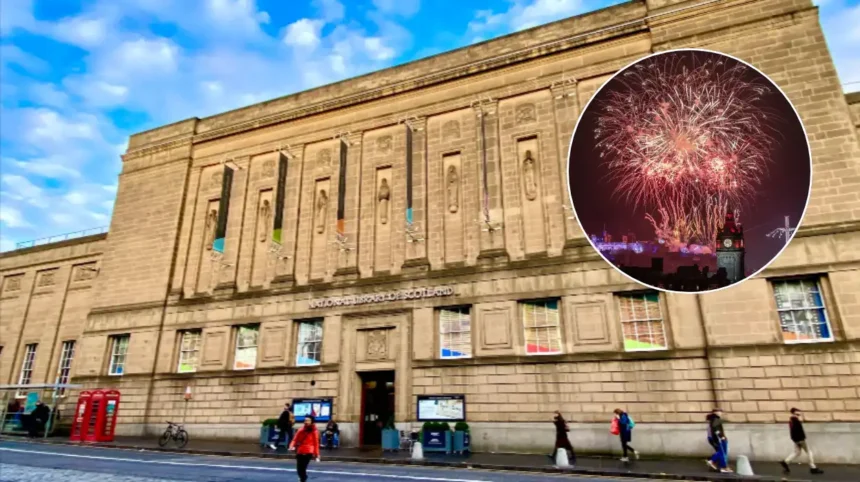
- Key venues in Edinburgh include the Scottish Storytelling Centre, Edinburgh Gaelic School, St Giles’ Cathedral, and the National Library of Scotland.
- Events cater to all ages, with free entry for many, highlighting Gaelic music, literature, history, and modern usage.
- Organised by Bòrd na Gàidhlig, the week promotes Gaelic’s relevance today amid efforts to revive and sustain the language.
- Highlights include storytelling sessions, live music by top Gaelic artists, poetry readings, and educational workshops.
- Broader context: Gaelic, an indigenous Celtic language, faces decline but sees growing interest through cultural festivals like this.
Edinburgh (Edinburgh Daily News) February 24, 2026 – World Gaelic Week 2026 has launched with more than 200 events unfolding across Scotland and internationally, spotlighting Edinburgh’s vibrant contributions to celebrating the Gaelic language and heritage. From storytelling workshops to musical performances, the city offers a packed programme blending tradition with contemporary flair. Organisers emphasise accessibility, ensuring events appeal to families, learners, and enthusiasts alike.
- Key Points
- What Is World Gaelic Week 2026?
- Why Does Edinburgh Stand Out in Gaelic Celebrations?
- When and Where Do Events Kick Off?
- Which Workshops and Talks Feature Prominently?
- How Do Music and Performance Events Unfold?
- What Family-Friendly Options Are Available?
- Who Are the Key Figures and Organisers?
- What Broader Impact Does Gaelic Week Have?
- How Can Attendees Participate Fully?
- What Challenges Does Gaelic Face Today?
- Which Venues Host the Best Experiences?
- What Makes 2026 Special for Gaelic?
- How Do Other Scottish Cities Compare?
- What Feedback Do Past Attendees Share?
- Future Outlook for Gaelic Events
What Is World Gaelic Week 2026?
World Gaelic Week, known as Seachdain na Gàidhlig, runs annually to champion Scotland’s native Gaelic language. As reported by Deadline News, the 2026 edition spans 23 to 28 February, uniting communities through cultural immersion.
Bòrd na Gàidhlig, the principal public body for Gaelic development, coordinates the initiative. Their statement underscores the event’s mission: “This week is a fantastic opportunity to experience Gaelic in action, from workshops to performances.”
Events extend globally, with partners in Canada, Australia, and Europe hosting parallel activities. In Scotland, over 200 listings showcase Gaelic’s living legacy.
Why Does Edinburgh Stand Out in Gaelic Celebrations?
Edinburgh emerges as a focal point, leveraging its cultural institutions for Gaelic Week. The city’s programme reflects its historical ties to Gaelic, once spoken widely in the Lowlands.
According to Deadline News coverage, Edinburgh’s events emphasise inclusivity: “Whether you’re a fluent speaker or complete beginner, there’s something for everyone.” Free sessions dominate, removing barriers to participation.
Proximity to Gaelic heartlands like the Highlands amplifies Edinburgh’s role. Venues such as the Scottish Storytelling Centre host immersive experiences, drawing locals and tourists.
When and Where Do Events Kick Off?
The week opens with family-oriented activities. On 23 February, the Edinburgh Gaelic School hosts a Gaelic playgroup for children aged 0-5, featuring songs and stories.
St Giles’ Cathedral schedules a Gaelic service on 24 February at 6pm, open to all faiths. Deadline News notes:
“This ecumenical gathering highlights Gaelic’s spiritual heritage.”
Which Workshops and Talks Feature Prominently?
Workshops abound for skill-building. The National Library of Scotland offers a Gaelic bookbinding session on 25 February, led by expert crafters.
A talk on Gaelic literature at the Scottish Storytelling Centre on 26 February explores modern authors. As per event listings, speakers include renowned poet Meg Bateman.
Learners’ workshops at Edinburgh Gaelic School cover conversation basics. Organisers stress: “No prior knowledge required – just enthusiasm.”
How Do Music and Performance Events Unfold?
Music takes centre stage mid-week. A ceilidh at the Counting House on 25 February features live sets by Gaelic bands like Mànran.
The Scottish Storytelling Centre presents a concert on 27 February with artists including Julie Fowlis, known for her Disney soundtrack contributions. Deadline News highlights:
“Expect foot-stomping tunes and heartfelt ballads.”
Poetry slams and storytelling nights fill evenings. St Giles’ hosts a Gaelic psalm singing event, blending reverence with rhythm.
What Family-Friendly Options Are Available?
Families find tailored activities. The Edinburgh Gaelic School’s 24 February puppet show entertains young ones with Gaelic tales.
Outdoor events at the Meadows on 26 February include games and face-painting. Free entry ensures broad access.
Who Are the Key Figures and Organisers?
Bòrd na Gàidhlig leads nationally. Their director, Dòmhnall Uilleam Stiùbhart, stated:
Local heroes shine too. Edinburgh Gaelic School principal Ailean MacDonald emphasises education: “Our events build tomorrow’s speakers.”
Performers like Julie Fowlis bring star power. She remarked in past interviews: “Gaelic music bridges generations.”
What Broader Impact Does Gaelic Week Have?
Gaelic speakers number around 57,000 in Scotland, per recent census data. Events like this counter decline, fostering pride.
Edinburgh’s offerings align with Scotland’s Gaelic Language Plan, mandating public sector promotion. Schools and libraries play pivotal roles.
Globally, diaspora communities join in. Canadian Gaelic societies host virtual tie-ins, expanding reach.
How Can Attendees Participate Fully?
Most events are free; booking advised for popular ones via bordnagaidhlig.scot. Public transport serves venues centrally.
Beginners receive bilingual materials. Volunteers assist, ensuring welcoming vibes.
What Challenges Does Gaelic Face Today?
Despite enthusiasm, Gaelic grapples with intergenerational transmission. Only 1.1% of Scots speak it fluently.
Funding debates persist. Bòrd na Gàidhlig advocates sustained investment: “Cultural weeks like this prove Gaelic’s worth.”
Edinburgh’s events counter urban disconnection from roots. Urban Gaels, often professionals, reconnect here.
Which Venues Host the Best Experiences?
- Scottish Storytelling Centre: Epicentre for tales and tunes; wheelchair accessible.
- Edinburgh Gaelic School: Education hub with child-focused fun.
- St Giles’ Cathedral: Historic setting for services and song.
- National Library of Scotland: Intellectual deep dives into texts.
- The Counting House: Lively ceilidh spot in the Old Town.
Each venue offers Gaelic signage, enhancing immersion.
What Makes 2026 Special for Gaelic?
This year coincides with refreshed strategies post-2021 census. Digital tie-ins, like online streams, broaden access.
Edinburgh’s programme innovates with hybrid formats. Pandemic lessons ensure inclusivity.
How Do Other Scottish Cities Compare?
Glasgow boasts larger concerts; Inverness focuses on traditional sports. Edinburgh excels in literary and family events.
Highlands host immersive retreats. Collectively, they paint Gaelic’s national tapestry.
What Feedback Do Past Attendees Share?
Returning visitors praise vibrancy. One 2025 participant told Deadline News:
“Edinburgh’s Gaelic Week reignited my heritage.”
Organisers track engagement via surveys, refining future lineups.
Future Outlook for Gaelic Events
Bòrd na Gàidhlig eyes expansion. 2027 may feature international tours.
Edinburgh positions as a year-round Gaelic hub, with schools expanding.