Key Points
- More than 58,000 counterfeit football shirts were seized in Edinburgh during the World Cup 2026.
- The haul is estimated to be worth around £5.5 million.
- Most of the items were Scotland and England shirts, with France, Spain and Portugal strips also found.
- The operation was led by City of Edinburgh Council trading standards, with Police Scotland and National Trading Standards Intellectual Property team support.
- The seized shirts weigh more than nine tonnes and will be securely recycled.
- Councillor Neil Ross said the seizure is a significant dent in the illegal counterfeit trade.
- Authorities warn that fake shirts may contain harmful toxins and do not meet safety standards.
- Christopher Bell of the Society of Chief Trading Standards Officers in Scotland called it a “great result”.
- The Scottish Football Association noted that counterfeit trade reduces funds available for investment in football.
- Investigations into supply routes and sources are continuing.
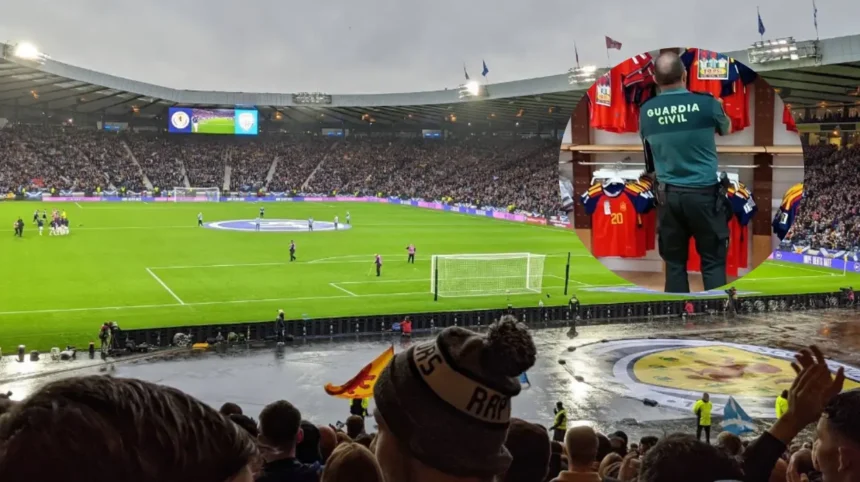
Edinburgh (Edinburgh Daily) July 14, 2026 – As reported by the London Standard, more than 58,000 fake football strips worth an estimated £5.5 million have been seized by trading standards officers in Edinburgh during the World Cup. The majority of the items seized were Scotland and England shirts, while strips from countries such as France, Spain and Portugal were also found. The seizure is estimated to be one of the largest of its kind in the UK.
- Key Points
- How Big Is This Counterfeit Seizure?
- Why Are Counterfeit Shirts Being Targeted at the World Cup?
- Who Was Involved in the Operation?
- What Do the Authorities Say About the Risks?
- Where Did the Shirts Come From and Where Are They Going Now?
- How Does This Affect Fans and Businesses?
- Background of the Development
- Prediction: How This Development Can Affect Fans, Businesses and the Sport
The City of Edinburgh Council said the haul was discovered following a series of intelligence-led operations with assistance from Police Scotland, alongside linked action by the National Trading Standards Intellectual Property team in Newport Trading Standards. Investigations into the source and supply routes are continuing.
How Big Is This Counterfeit Seizure?
The scale of the operation is significant. According to the London Standard, the seized shirts weigh in at more than nine tonnes and will now be securely recycled. Christopher Bell, chairman of the Society of Chief Trading Standards Officers in Scotland, said it was a “great result” and added that the scale of such a seizure shows the challenge faced by trading standards teams throughout the country.
This is not just a routine confiscation. The City of Edinburgh Council described the operation as one of the largest seizures of counterfeit football strips in the UK. The estimated value of £5.5 million suggests a substantial criminal operation, with likely international supply chains feeding into the domestic market during a high-demand period such as the World Cup.
Why Are Counterfeit Shirts Being Targeted at the World Cup?
Major sporting events create a surge in demand for official merchandise. As reported by Councillor Neil Ross, regulatory convener at the city council, criminals exploit these events by flooding the market with counterfeit goods to cash in on fan demand. The World Cup, with its global audience and intense national pride, is particularly attractive to counterfeiters because fans are eager to buy shirts representing their countries or favoured teams.
Councillor Ross warned that this is not a victimless crime. Counterfeiters undermine legitimate businesses, rip off supporters, and sell products with no guarantee for how or where they were made, or whether they meet basic safety standards. Authorities have warned that unlike authentic shirts, counterfeits bypass safety regulations, could potentially expose buyers to harmful toxins in materials and dyes, and are often of poor quality.
Who Was Involved in the Operation?
The seizure was coordinated by multiple agencies. As reported by the London Standard, the City of Edinburgh Council’s trading standards team secured the result in intercepting the shirts, working with assistance from Police Scotland. The operation also included linked action by the National Trading Standards Intellectual Property team in Newport Trading Standards, indicating a multi-regional approach to tackling counterfeit trade.
Councillor Neil Ross thanked the trading standards team for securing a “tremendous result”. Christopher Bell, representing trading standards officers across Scotland, highlighted the strategic importance of the seizure and the ongoing challenges for officers. The Scottish Football Association (SFA) also commented, noting that the trade in counterfeit goods has an impact on the amount it can invest into the game at all levels.
What Do the Authorities Say About the Risks?
Official warnings stress that counterfeit shirts are not just cheaper copies; they can pose safety risks. As reported by the London Standard, authorities warned that unlike authentic shirts, counterfeits bypass safety regulations. They could potentially expose buyers to harmful toxins in materials and dyes, and are often of poor quality.
This is particularly important for parents and young fans who may be unaware of the risks. The SFA’s comment links the counterfeit trade directly to reduced investment in football, suggesting that the financial impact extends beyond individual businesses to the wider sport ecosystem.
Where Did the Shirts Come From and Where Are They Going Now?
The City of Edinburgh Council stated that investigations into the source and supply routes are continuing. While the exact countries of origin have not been disclosed, the involvement of the National Trading Standards Intellectual Property team suggests that the counterfeit network may have international links.
Once seized, the shirts were not returned to the market. The City of Edinburgh Council confirmed that the seized shirts, weighing in at more than nine tonnes, will now be securely recycled. This approach ensures that the goods do not find their way back into circulation through secondary markets or informal channels.
How Does This Affect Fans and Businesses?
For fans, the seizure means that many counterfeit shirts that might have been sold during the World Cup were removed from the market. As reported by the London Standard, this is a timely reminder that criminals exploit major sporting events by flooding the market with counterfeit goods. Fans who purchased fake shirts may have unknowingly supported an illegal trade and exposed themselves to potentially unsafe products.
For legitimate businesses, including official retailers and rights holders, the seizure helps protect revenue and brand integrity. The SFA noted that the trade in counterfeit goods has an impact on the amount it can invest into the game at all levels. This means that counterfeit sales indirectly reduce funding for grassroots programmes, women’s football, coaching, and facilities.
Background of the Development
This seizure is part of a longer pattern of enforcement against counterfeit sports merchandise in the UK. Trading standards officers have previously targeted fake football shirts during major tournaments, including the European Championships and previous World Cups. The involvement of the National Trading Standards Intellectual Property team indicates a coordinated national effort to tackle intellectual property crime, particularly in relation to high-value sporting events.
The City of Edinburgh Council’s regulatory team has been active in recent years in cracking down on counterfeit goods, working closely with Police Scotland and national bodies. The scale of this operation more than 58,000 items and nine tonnes of materialsuggests a significant escalation in both the volume of counterfeit goods and the response from authorities.
Prediction: How This Development Can Affect Fans, Businesses and the Sport
The removal of such a large volume of counterfeit shirts is likely to have several effects. For fans, it may reduce the availability of cheap, fake merchandise in the short term, potentially pushing some buyers towards official products or limiting their ability to purchase shirts at lower prices. However, the safety message delivered by authorities may also increase awareness of the risks associated with counterfeit goods, leading to more cautious purchasing behaviour.
For legitimate businesses and rights holders like the SFA, the seizure represents a protective measure that helps safeguard revenue streams. If such operations become more frequent and effective, the financial damage caused by counterfeit trade could be reduced, allowing more funds to be invested back into the sport. Over time, this could support better facilities, coaching, and programmes at all levels of football.
For trading standards and law enforcement, the operation demonstrates the capacity to tackle large-scale counterfeit networks. If this success leads to further investment in intelligence-led operations and cross-agency collaboration, it may deter some criminal operators and disrupt supply routes. However, the ongoing investigations highlight that the counterfeit trade is international and resilient, meaning continued enforcement will be necessary to maintain impact.