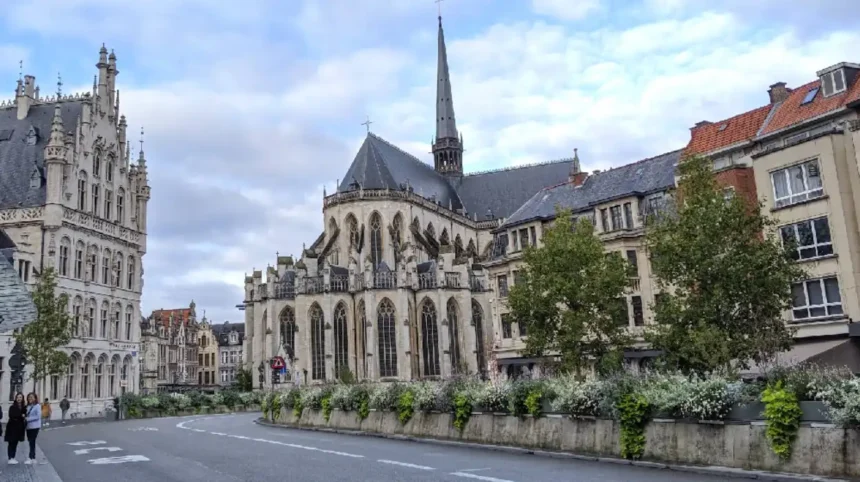
Visitors can access a wealth of historical, cultural, and natural landmarks across Scotland’s capital without paying entrance fees, as the city prioritizes public access to its most iconic sites, including museums, galleries, volcanic hills, and historic medieval streets.
Edinburgh offers a unique urban experience where many of its most significant treasures are preserved for public benefit. The city center is a UNESCO World Heritage site, and the absence of costs for major institutions reflects a long-standing commitment to cultural education and preservation. Travelers utilize public walking routes to navigate between these locations, which are geographically concentrated within the Old and New Towns. By focusing on these accessible areas, individuals effectively bypass the typical expenses associated with major tourism hubs. Proper planning allows for a comprehensive itinerary that covers geological features, ancient architecture, and modern art spaces while maintaining a zero-budget requirement for entry fees.
How Can You Explore Edinburgh’s History for Free?
Exploring the city’s history is best achieved by walking the Royal Mile, visiting the historic Greyfriars Kirkyard, and entering the numerous free museums that detail the working-class life, banking history, and literary heritage of the Scottish capital throughout the centuries.
The Royal Mile serves as the historical backbone of Edinburgh, stretching from the fortress at the summit of Castle Rock to the royal residence at Holyrood. Walking this path reveals a network of narrow alleyways, known locally as closes, which house centuries of architectural history and folklore. Greyfriars Kirkyard, established in 1561, provides further context through its ornate funerary monuments and connections to local legends like Greyfriars Bobby. Complementing these sites, the Museum of Edinburgh and the People’s Story Museum offer curated exhibits on local political and social development. These institutions provide deep dives into specific historical eras, such as the 17th-century Covenanting period or the industrial transformation of the Victorian age. Visitors effectively piece together the narrative of the city by visiting these disparate yet complementary locations.
Which Nature Walks and Viewpoints Are Free in Edinburgh?
The most prominent free nature sites in Edinburgh include the climb to Arthur’s Seat within Holyrood Park, the panoramic vantage points of Calton Hill, and the extensive network of the Water of Leith Walkway that winds through urban greenery.
Arthur’s Seat represents the remnants of an extinct volcano, rising 251 meters above the city and providing a comprehensive view of the Lothian coastline. The path is accessible via several points in Holyrood Park, a royal hunting ground that remains a protected natural site. Calton Hill serves as a more accessible alternative, featuring historic monuments like the National Monument and the Nelson Monument, both of which are visible from the trail. For a different perspective, the Water of Leith Walkway offers a 13-mile route that connects the city center to residential districts like Dean Village. These natural corridors allow travelers to experience the varied geography of the Scottish landscape without leaving the city limits. Each location provides specific vantage points that are essential for understanding the city’s topographical scale and layout.
Are Museums and Galleries in Edinburgh Truly Free?
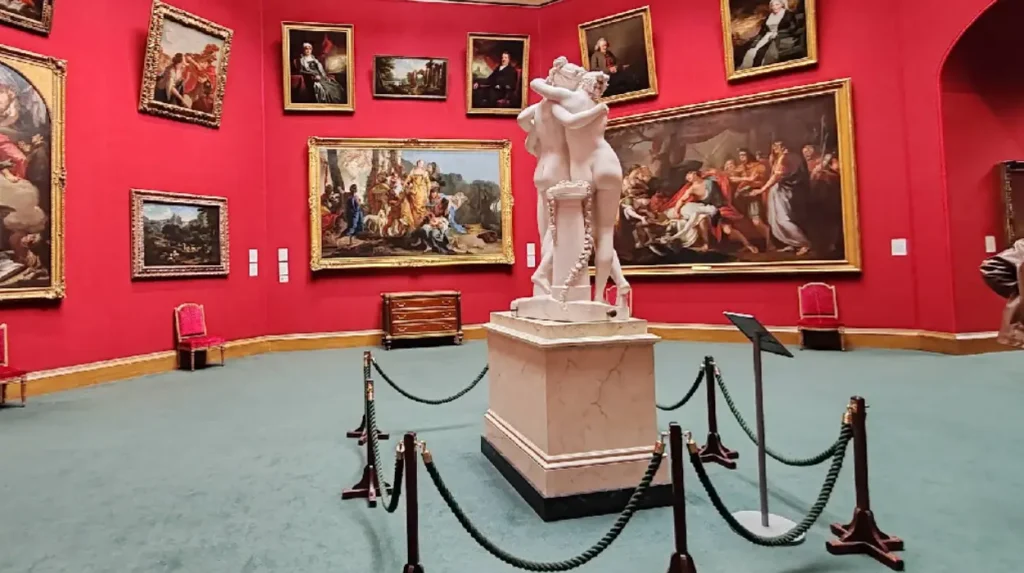
Public museums and national galleries in Edinburgh are fully funded by government and charitable grants, ensuring that world-class collections—including those at the National Museum of Scotland and the Scottish National Gallery—remain accessible to all visitors at no charge.
The National Museum of Scotland houses extensive collections ranging from natural history and world cultures to Scottish technological innovation and geological artifacts. The site itself is a combination of Victorian architecture and modern design, featuring a central Grand Gallery that serves as a focal point for visitors. Similarly, the Scottish National Gallery, located on The Mound, holds masterpieces by artists such as Raphael, Titian, and Monet alongside significant works by Scottish painters. The Scottish National Portrait Gallery provides an additional layer of historical insight by documenting the faces of those who shaped the nation. These institutions maintain strict standards for the conservation and display of items, making them primary resources for academic and recreational learning. Entry is generally facilitated without the need for pre-booked tickets, although specific events may occasionally have limited capacities.
What Are the Hidden Gems and Free Events in Edinburgh?
Beyond the main thoroughfares, visitors can discover the Archivists’ Garden, explore the bohemian streets of Stockbridge, and attend annual community events like the Fringe Festival street shows that take place in public spaces throughout the month of August.
Hidden gems like the Archivists’ Garden behind General Register House offer quiet environments filled with plants associated with Scottish folklore and memory. Stockbridge, a historic neighborhood characterized by its distinct Victorian architecture and local markets, provides a glimpse into the daily life of residents outside the primary tourist zones. During the festival season, the city transforms into an open-air venue where professional and amateur performers utilize public squares for music, magic, and comedy displays. These events are integral to the city’s identity and are staged across various public commons and street corners. Identifying these areas requires a departure from traditional map-based itineraries, as they are often tucked away in residential corridors. Engaging with these less-advertised locations provides a more authentic experience of the city’s social fabric and seasonal culture.
FAQs About Free Things to Do in Edinburgh
Are all museums in Edinburgh free to enter?
Yes, most major national museums and galleries in Edinburgh, including the National Museum of Scotland and the Scottish National Gallery, offer free admission. Private museums or special temporary exhibitions may charge fees, so verify individual websites if you have specific interests.
What is the cheapest way to navigate Edinburgh?
Walking is the most efficient and cost-effective way to explore Edinburgh, as the majority of tourist attractions are concentrated within the compact Old and New Towns. Public buses are available for longer distances, though walking allows for deeper exploration of the historic closes.
When is the best time for free activities in Edinburgh?
Edinburgh offers free activities year-round, but August is particularly notable for the Fringe Festival, which features extensive free street performances. Spring and early autumn provide better weather for hiking Arthur’s Seat and exploring outdoor gardens like the Royal Botanic Garden.
Are there free guided walking tours available?
Yes, several companies operate “free” walking tours where the guides work primarily for tips. These tours typically last around two hours and cover the main historical landmarks, offering a structured way to learn about the city’s history while only paying what you choose.