Key Points
- A technical fault in control and signalling infrastructure caused widespread disruption across Edinburgh’s public transport network.
- Edinburgh Trams cut back services to run only between Edinburgh Airport and the West End.
- Lothian Buses diverted routes off sections of Princes Street onto George Street and Queen Street.
- Local transport operators are accepting each other’s tickets for passengers travelling through the city centre.
- Technical teams are on-site working to repair the fault and restore full service.
Edinburgh (Edinburgh Daily) September 9, 2026 – Commuters and visitors across Edinburgh faced severe travel disruption this morning after a major signalling fault compromised the city’s main transport corridors, causing trams to operate on part-routes and forcing extensive bus diversions through the city centre.
- Key Points
- What Caused the Unexpected Disruption Across the Capital’s Transport Network?
- How Are Edinburgh Trams and Lothian Buses Adjusting Their Routes?
- What Operations Are Currently Underway to Clear the Backlog?
- Background of the Particular Development
- Future Impact and Predictions for Public Transport Users
What Caused the Unexpected Disruption Across the Capital’s Transport Network?
The breakdown was triggered by a technical fault within the core signalling and control network that manages light rail and central traffic priority infrastructure. The failure impaired automatic routing systems along key arteries, forcing control teams to implement emergency fail-safe measures across the network.
As reported by Jacob Farr of Edinburgh Live, network monitoring teams identified technical complications requiring immediate engineer intervention, leading to immediate delays for incoming and outgoing journeys across central hubs.
How Are Edinburgh Trams and Lothian Buses Adjusting Their Routes?
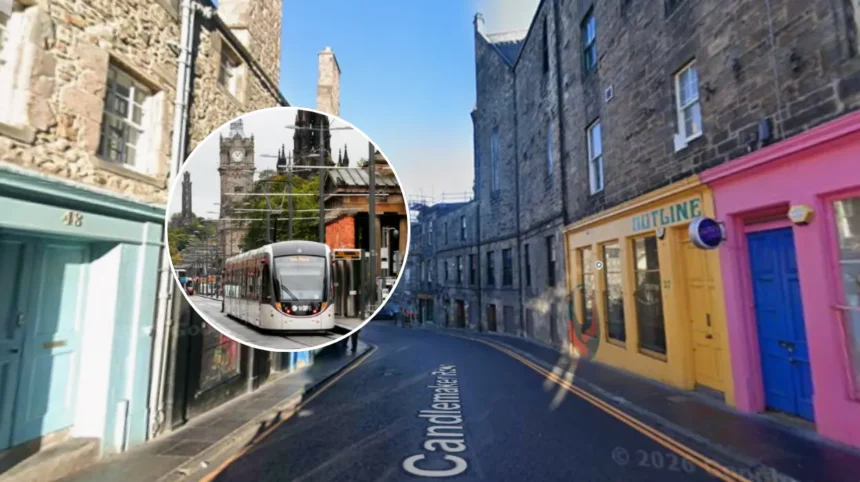
To manage safety risks and mitigate gridlock, Edinburgh Trams suspended service through the city centre to Leith and Newhaven. Services from the west are turning around at the West End (Shandwick Place) stop, leaving the eastern portion of the line without direct tram links.
Concurrently, bus operator Lothian Buses implemented emergency diversions across several main routes. Vehicles normally running along Princes Street between South Charlotte Street and Frederick Street have been redirected to run via George Street and Queen Street.
As reported by Alasdair Ferguson of The National, transport operators confirmed that emergency contingency measures were deployed swiftly to maintain basic connectivity across impacted zones, with ticket acceptance arrangements arranged between tram and bus services.
What Operations Are Currently Underway to Clear the Backlog?
Specialist technical teams remain on-site working to rectify the signalling failure. Traffic management staff have been stationed at major junctions along Queen Street and the West End to handle the increased volume of diverted bus and vehicular traffic. Passengers are being advised to check live travel applications and allow additional time for all journeys across the city.
Background of the Particular Development
Edinburgh’s public transport infrastructure has undergone significant expansion over recent years, most notably with the completion and launch of the Tram Mile extension to Leith and Newhaven. This expanded network relies on an integrated signalling system designed to manage tram movements alongside bus lanes and general road traffic across dense urban thoroughfares like Princes Street and Shandwick Place.
Because the central tram line and bus corridors share key traffic signal management systems, a technical failure at a core control point can cascade across multiple transit modes simultaneously. Similar signalling outages in complex urban transit systems have highlighted the sensitivity of modern automated transit hubs, where a single point of failure can disrupt suburban feeds and cross-city traffic links concurrently.
Future Impact and Predictions for Public Transport Users
This development is likely to have immediate and medium-term impacts on daily commuters, local businesses, and municipal transit policy:
- Daily Commuters and Residents: Passengers travelling between the airport, west Edinburgh, and the north/eastern suburbs will experience extended travel times and increased interchange transfers. The concentration of diverted bus routes onto parallel corridors like Queen Street and George Street will inevitably cause secondary peak-hour traffic bottlenecks.
- Local Businesses and Retailers: Reduced accessibility along the main Princes Street retail artery during major disruption events temporary suppresses footfall for city-centre retail and hospitality businesses.
- Transport Policy and Infrastructure Planning: Repeated or prolonged signal disruptions will likely increase scrutiny on Transport for Edinburgh and network maintainers. This may lead to calls for greater fail-safe redundancies in the digital signaling infrastructure to prevent full-line truncations during future technical faults.