Slow travel is an intentional approach to tourism that prioritises depth of experience over the rapid consumption of sightseeing checklists. The philosophy emphasizes environmental sustainability, cultural immersion, and extended stays in a single destination to minimize transport emissions and support local micro-economies.
- What is the concept of slow travel in a compact European capital?
- Why is a seven-day stay ideal for exploring Edinburgh without rushing?
- Which Edinburgh neighbourhoods offer the best base for slow travellers?
- How can you structure a slow travel itinerary across Edinburgh districts?
- What role do Edinburgh’s historic closes and wynds play in slow exploration?
- How can you experience Edinburgh’s green spaces and coastal routes on foot?
- How does slow travel support local arts, food, and independent businesses?
- How many days are needed to fully experience Edinburgh without rushing?
- What is the best neighborhood to stay in Edinburgh for a relaxed atmosphere?
- Is Edinburgh a walkable city for slow travellers?
- What are the best quiet green escapes inside Edinburgh?
- How can I avoid tourist crowds while visiting Edinburgh?
The term originated from the broader Slow Movement that began in Italy during the late twentieth century. In the context of urban tourism, slow travel requires remaining in a city long enough to understand its geography, daily routines, and historical context without relying on rapid transit schedules or packed tour itineraries.
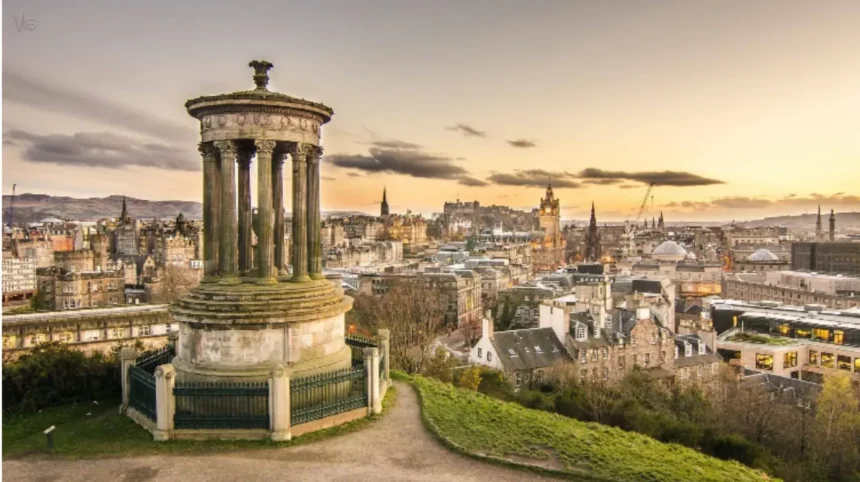
Edinburgh serves as an ideal urban landscape for slow travel due to its high walkability and distinct spatial boundaries. The Scottish capital spans 264 square kilometres, but its historical core and inner neighbourhoods sit within a compact, easily navigable basin bounded by the Firth of Forth to the north and the Pentland Hills to the south.
The city contains two distinct UNESCO World Heritage sites situated side by side: the medieval Old Town and the 18th-century Georgian New Town. This urban design allows visitors to transition between historical eras on foot without relying on vehicular transportation or motorized tours.
An extended seven-day itinerary in Edinburgh shifts the focus from landmark-hopping to spatial immersion. Visitors who allocate a full week to the city reduce their carbon footprint, avoid transit fatigue, and experience the cultural rhythms of distinct neighbourhoods like Stockbridge, Leith, and Bruntsfield.
What is the concept of slow travel in a compact European capital?
Slow travel in a compact capital means exploring a city through walking, extended local residency, and deep engagement with neighbourhood environments rather than brief landmark visits. This approach relies on pedestrian mobility, local supply chains, and unstructured exploration to experience the authentic living conditions of a urban population.
The core mechanism of slow travel is the deliberate reduction of daily geographic scope. Rather than visiting multiple distant attractions in a single day, slow travellers limit their movements to a single district or corridor. This method reduces transport energy expenditure, supports independent traders, and reveals hidden architectural and historical details that rapid transport passes over.
In Edinburgh, the physical landscape inherently supports this slow travel model. The city was built across volcanic hills and glacial valleys, creating a multi-layered urban topography connected by stone staircases known as wynds and narrow pedestrian passages called closes.
Statistical data from transport authorities confirms that Edinburgh is one of the most pedestrian-friendly capitals in the United Kingdom. Over thirty-nine percent of all internal city journeys made by residents are completed entirely on foot, supported by extensive greenways like the Water of Leith Walkway.
The long-term impact of adopting slow travel in urban centers includes lower individual environmental footprints and reduced pressure on over-visited tourist hotspots. By distributing visitor foot traffic across residential quarters like Morningside or Canonmills, slow travellers help preserve local community structures and prevent the displacement of neighbourhood businesses.
Why is a seven-day stay ideal for exploring Edinburgh without rushing?
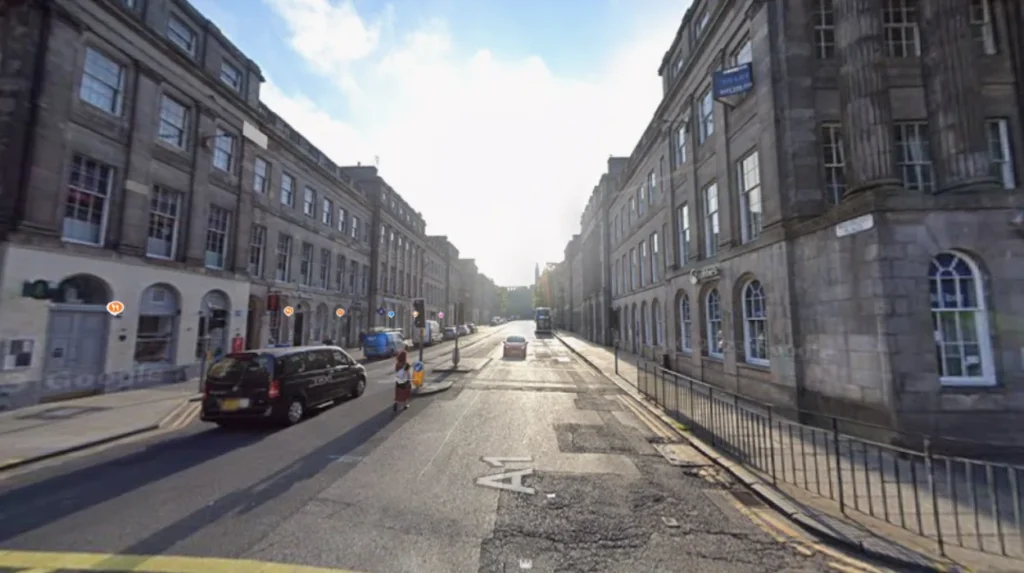
A seven-day stay provides sufficient operational time to navigate Edinburgh’s topography, experience its varied weather systems, and explore its distinct residential districts without over-scheduling. Seven days allows visitors to dedicate full mornings and afternoons to individual areas without relying on rapid, high-stress transit itineraries.
The functional layout of Edinburgh requires time to navigate due to its vertical architecture and varying elevations. The elevation changes between the Cowgate valley floor and the Castle Rock summit require physical exertion that dictates a measured, unhurried pace for pedestrian travel.
A extended weekly timeframe grants travellers the flexibility to adjust plans according to local weather conditions. Edinburgh experiences a maritime climate with an average of one hundred and forty operational precipitation days per year, making indoor-outdoor itinerary adaptability essential for a comfortable journey.
Data from the Edinburgh Tourism Strategy indicates that the average tourist stay in the city is just 2.4 nights. This short duration leads to heavy congestion along the Royal Mile, whereas a seven-day stay redistributes visitor density across off-peak hours and lesser-known public parks.
The economic implication of a seven-day stay is a direct contribution to the sustainable local economy. Long-stay visitors spend a higher proportion of their travel budgets on local grocers, independent cafes, neighborhood bakeries, and regional cultural venues rather than international hotel chains and fast-food outlets.
Which Edinburgh neighbourhoods offer the best base for slow travellers?
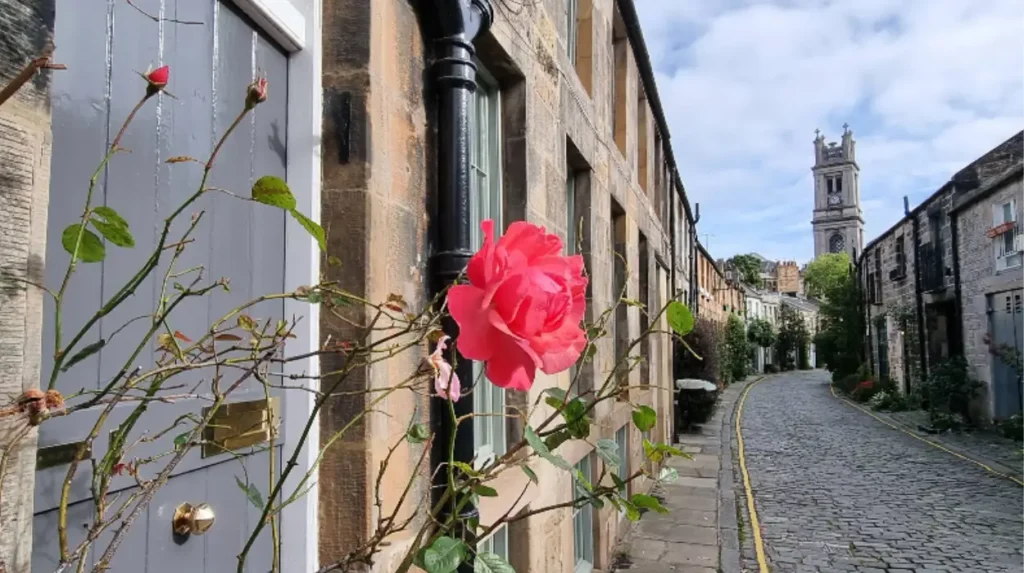
Stockbridge, Leith, Bruntsfield, and the West End offer the best bases for slow travellers due to their high concentration of independent businesses, excellent walkability, and strong residential character. These districts sit just outside the primary tourist core while maintaining direct pedestrian links to central attractions.
Stockbridge sits directly north of the New Town along the Water of Leith. It features a high proportion of independent cheesemongers, antiquarian booksellers, and family-run bakeries, alongside direct access to the Royal Botanic Garden Edinburgh, which covers over seventy acres of green space.
Leith, located at the northern terminus of the city along the Firth of Forth, represents Edinburgh’s maritime heritage. Formerly an independent port burgh until its merger with the city in 1920, Leith possesses a distinct industrial identity, historic docklands, and a high concentration of award-winning seafood establishments.
Bruntsfield and adjacent Morningside border the vast green space of the Bruntsfield Links and the Meadows. These southern quarters are characterized by Victorian tenement architecture, independent cinema venues like the Dominion, and traditional Scottish pubs serving regional ales.
Choosing these residential quarters over central hotel hubs alters the daily travel experience. Guests interact with working residents in daily contexts, utilize municipal public services, and gain a clearer understanding of modern Scottish urban life outside the designated historic tourist districts.
How can you structure a slow travel itinerary across Edinburgh districts?
You structure a slow travel itinerary by assigning dedicated days to contiguous geographical zones and limiting planned activities to one primary site per morning and afternoon. This zonal approach prevents cross-city transit delays and allows ample time for unplanned exploration within each neighbourhood.
A structured slow itinerary begins with the historic core before expanding outward in concentric circles. Day one focuses on the vertical geography of the Old Town, exploring the interior closes branching off the Royal Mile rather than solely visiting high-density paid entry sites.
Subsequent days explore distinct geographical axes across the city basin. One day is dedicated to the northern green corridor encompassing Dean Village, the Water of Leith, and Stockbridge, while another focuses on the coastal port of Leith via the pedestrianized Leith Walk artery.
The second half of the week shifts focus to natural landforms and coastal boundaries. Visitors allocate dedicated days to Holyrood Park and Arthur’s Seat, the seaside promenade of Portobello, and the southern woodlands of the Hermitage of Braid.
This structural method eliminates the need for daily motorized transport and creates a sustainable pace. By grouping destinations geographically, travellers spend less time navigating traffic and more time engaging directly with the cultural and physical landscape of each district.
What role do Edinburgh’s historic closes and wynds play in slow exploration?
Edinburgh’s historic closes and wynds serve as pedestrian corridors that preserve the original medieval layout and offer quiet alternatives to congested main thoroughfares. These narrow passages connect parallel streets across varying elevations, revealing hidden courtyards, historical architecture, and quiet urban spaces.
Closes are private or public alleyways leading off a main street, traditionally secured by a door or gate at night, while wynds are wider public passages capable of accommodating thoroughfare traffic. They originated in the sixteenth century as Edinburgh expanded vertically within its defensive city walls.
Exploring these spaces requires slow movement on foot due to steep stone steps and uneven cobbles. Passages such as Advocate’s Close, Lady Stair’s Close, and Riddle’s Court contain architectural remnants spanning four centuries, including early stone tenements, carved lintels, and historic timber frames.
Historical records show that during the seventeenth century, the Old Town’s tenements housed up to twenty thousand people per square mile within these closes. This extreme density forced the development of multi-story stone structures, making these alleyways early historical examples of high-density urban living.
Navigating the city via its closes allows slow travellers to bypass the modern vehicular traffic of the main streets. These pathways provide a direct physical connection to the social history of the city, away from commercial retail environments.
How can you experience Edinburgh’s green spaces and coastal routes on foot?
You can experience Edinburgh’s green spaces and coastal routes by walking continuous pedestrian corridors like the Water of Leith Walkway, Holyrood Park pathways, and the Portobello promenade. These routes form an interconnected network of natural ecosystems embedded directly within the municipal urban footprint.
The Water of Leith Walkway spans 19.6 kilometres from Balerno at the foot of the Pentland Hills to the port of Leith. The river path guides walkers through natural gorges, past historic industrial grain mills, and alongside protected habitats housing grey herons, roe deer, and wild brown trout.
Holyrood Park covers six hundred and fifty acres of volcanic landscape immediately adjacent to the Royal Mile. The park contains Arthur’s Seat, an extinct volcano rising to two hundred and fifty-one metres, providing extensive wilderness hiking paths, ancient hill forts, and panoramic views across the Firth of Forth.
To the east, Portobello Beach features a three-kilometre Georgian promenade that connects the urban city to the marine waters of the Firth of Forth. Slow travellers can walk the coastline, observing shorebird populations and traditional Victorian seaside architecture without leaving the municipal boundaries.
Integrating these natural corridors into a daily routine balances urban cultural activities with outdoor physical movement. These green and blue spaces improve air quality, support local biodiversity, and offer tranquil spaces for rest during an extended city stay.
How does slow travel support local arts, food, and independent businesses?
Slow travel supports local arts, food, and independent businesses by redirecting tourist expenditure into neighbourhood economies and long-term cultural institutions. By lingering in residential districts, slow travellers engage with local supply chains, independent makers, and community-owned enterprise networks.
Edinburgh possesses a rich ecosystem of independent food producers, sustainable bakeries, and regional craft breweries. Establishments in districts like Stockbridge and Leith source ingredients directly from Scottish agricultural producers, reducing food miles and supporting regional farm economies.
Cultural institutions such as the Scottish National Gallery of Modern Art, the City Art Centre, and independent print studios rely on sustained audience engagement. Slow travellers have the time to visit smaller exhibitions, attend local author readings, and support community theater spaces like the Traverse Theatre.
Economic data indicates that independent retailers retain up to sixty-three percent more revenue within the immediate local economy compared to multinational chain stores. Slow travellers who purchase goods from neighborhood markets directly sustain local employment and craft preservation.
The long-term impact of supporting these independent networks is the preservation of Edinburgh’s distinct cultural identity. Direct support for local businesses prevents commercial homogenization and ensures that traditional crafts, regional foodways, and independent arts continue to thrive.
How many days are needed to fully experience Edinburgh without rushing?
A stay of five to seven days is recommended to explore Edinburgh at a slow pace. This timeframe allows you to visit major historic sites, explore residential neighbourhoods like Stockbridge and Leith on foot, and accommodate Scotland’s changeable weather without rushing your daily itinerary.
What is the best neighborhood to stay in Edinburgh for a relaxed atmosphere?
Stockbridge and Bruntsfield are the best neighbourhoods for a relaxed stay. Both offer quiet residential streets, historic stone architecture, vibrant independent shops, excellent local cafes, and immediate access to major city parks while remaining within easy walking distance of the city center.
Is Edinburgh a walkable city for slow travellers?
Edinburgh is an exceptionally walkable city with extensive pedestrian infrastructure, greenways, and historic stone pathways. Most major neighbourhoods, parks, and cultural sites sit within a thirty-minute walk of the city centre, eliminating the need for frequent public transit or taxi rides.
What are the best quiet green escapes inside Edinburgh?
The Water of Leith Walkway, the Royal Botanic Garden, and the Hermitage of Braid offer the most peaceful green escapes inside the city. These locations feature shaded riverside paths, diverse plant collections, and quiet woodland trails that provide a natural retreat from the busier urban core.
How can I avoid tourist crowds while visiting Edinburgh?
You can avoid crowds by exploring early in the morning, focusing on residential neighbourhoods outside the Royal Mile, and utilizing the city’s network of historic closes. Visiting major outdoor sites like Arthur’s Seat or Princes Street Gardens during off-peak hours also ensures a quieter experience.