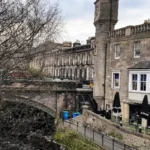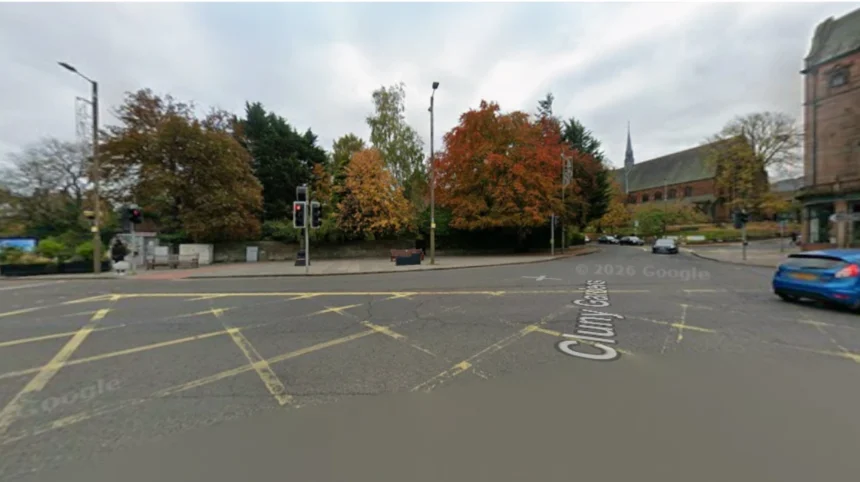
Morningside and Bruntsfield define classic residential Edinburgh through high density Victorian tenement architecture, expansive greenspaces, and established retail corridors situated south of the city center. These adjacent districts provide primary residential infrastructure for families and working professionals.
- How did Morningside and Bruntsfield historical origins develop?
- What architectural styles characterize these residential districts?
- What infrastructure and amenities support local residents?
- What are the economic and property market trends in these areas?
- What cultural and social institutions define the local community?
- What are the main transport connections serving Morningside and Bruntsfield?
- Are Morningside and Bruntsfield suitable areas for families?
- What type of properties are available to buy in Bruntsfield?
- What is the history of the Bruntsfield Links golf course?
- What independent cultural venues operate in Morningside?
The geographical footprint sits directly south of Tollcross and the Meadows, forming a continuous urban corridor along the A702 road. Architectural development in both districts primarily originated between 1850 and 1910.
High density housing stock consists predominantly of four-story sandstone tenements, while surrounding residential streets feature stone-built Victorian and Edwardian villas. Commercial activity centers on independent retail businesses, traditional bakeries, specialty cafes, and local services along Bruntsfield Place and Morningside Road.
Educational facilities, public parks, and cultural centers serve the surrounding population, creating a self-contained urban ecosystem. Urban planning regulations preserve the historical facades and green boundaries, maintaining structural character across both neighborhoods.
How did Morningside and Bruntsfield historical origins develop?
Morningside and Bruntsfield originated as medieval agricultural settlements before transforming into suburban residential districts during the nineteenth century due to Edinburgh municipal expansion. Transportation networks accelerated the integration of these outlying villages into the central city economy.
The land underlying both districts formed part of the Borough Muir, a vast oak forest granted to the burgh of Edinburgh by King David I in the twelfth century. The municipal council cleared the timber around 1500 to generate revenue, converting the terrain into agricultural estates and pastureland.
Morningside existed as a small rural hamlet on the southern cattle driving route, appearing on formal regional cartographic records by 1759. Bruntsfield developed around Bruntsfield House, a sixteenth-century baronial mansion established on land held by the Lauder family.
The Edinburgh Royal Maternity Hospital and suburban rail links built in the 1880s spurred high-density residential development. Construction firms erected hundreds of multi-story sandstone tenement blocks between 1870 and 1900 to accommodate population growth.
What architectural styles characterize these residential districts?
Scottish Victorian tenements, Italianate villas, and Scots Baronial public structures characterize the architectural built environment across Morningside and Bruntsfield. Ashlar sandstone facades, pitch slate roofs, and bay windows define the primary visual footprint.
The standard housing block comprises four-story tenements built from locally quarried blonde and red sandstone. Interior floor plans feature high ceilings, ornamental plaster cornicing, timber sash-and-case windows, and central entry stairwells. Example residential structures include four-story tenement blocks along Bruntsfield Place, semi-detached Victorian villas along Whitehouse Loan, and grand Edwardian houses on Braid Road.
Public buildings display distinct stylistic features, such as the Gothic Revival Church Hill Theatre built in 1892 and the octagonal Braid Church built in 1886. Architectural regulations enforce conservation standards, requiring property owners to use traditional materials like natural slate, cast-iron rainwater goods, and lime mortar during restoration works.
What infrastructure and amenities support local residents?
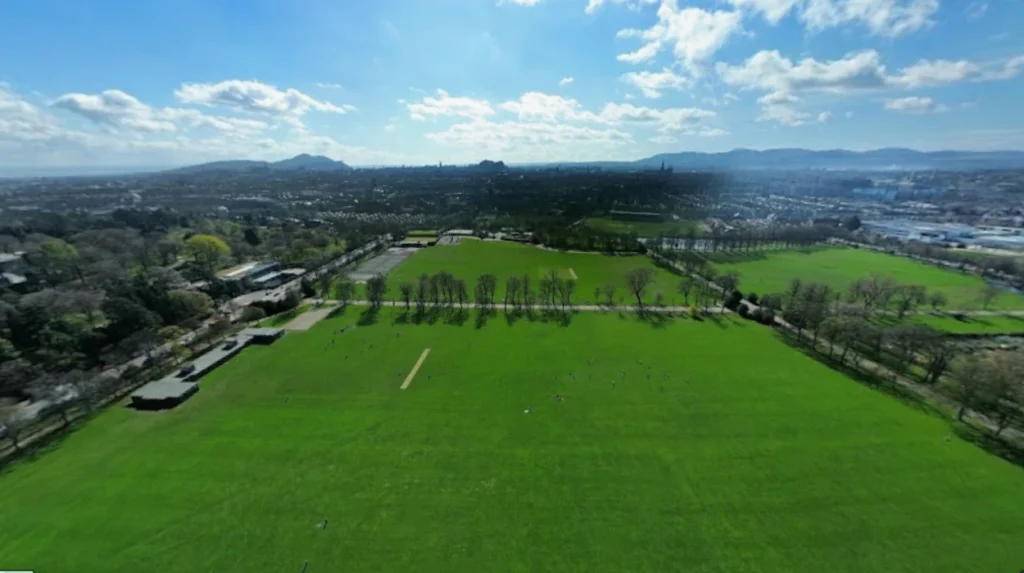
Transport networks, public parks, independent commercial zones, and educational institutions provide complete civic infrastructure for Morningside and Bruntsfield residents. These integrated amenities reduce transit reliance on the main city center.
Public transport relies on high-frequency bus corridors operating along the A702, connecting southern suburbs to Princes Street and Waverley Station. Bruntsfield Links provides 30 acres of open parkland featuring a public short-hole golf course established historically in 1735.
Educational facilities serving the zone include James Gillespie’s High School, St Peter’s Primary School, and Edinburgh Napier University’s Merchiston Campus. Commercial infrastructure includes 200 independent businesses, such as Dominion Cinema, Morningside Library, and specialty retail shops along Morningside Road. Health infrastructure includes local medical practices, dental clinics, and proximity to the Royal Infirmary of Edinburgh.
What are the economic and property market trends in these areas?
Property values in Morningside and Bruntsfield remain consistently above the wider Edinburgh average due to sustained buyer demand, strict conservation constraints, and limited new housing supply. High liquidity characterizes both residential sales and private rental sectors.
Residential real estate options split between traditional tenement flats and premium single-family houses. Example housing stock prices include two-bedroom tenement flats selling between 350000 GBP and 480000 GBP, while detached Victorian villas command prices exceeding 1200000 GBP.
The rental market maintains high occupancy rates driven by academic staff, healthcare workers, and corporate professionals. Retail commercial premises command strong rental yields along primary thoroughfares, supporting stable commercial occupancy rates.
Capital appreciation rates track steadily above Scottish national housing index metrics, making both districts core targets for long-term residential property investment.
What cultural and social institutions define the local community?
Independent arts venues, historic civic groups, literacy traditions, and recreational clubs define the cultural landscape across Morningside and Bruntsfield. Community identity remains rooted in historic arts institutions and preserved public gathering spaces.
The Dominion Cinema, operating independently since 1938, provides a family-owned four-screen venue housed in Streamline Moderne architecture. The Church Hill Theatre offers a 350-seat auditorium managed by the City of Edinburgh Council for theatrical productions and Edinburgh Festival Fringe events.
Literary institutions link directly to the area, notably author Muriel Spark, who based her 1961 novel The Prime of Miss Jean Brodie on local schooling and neighborhood settings. Recreations center around the Bruntsfield Short Hole Golf Club and local civic preservation trusts like the Morningside Heritage Association. Community events maintain social cohesion through regular seasonal markets, library programs, and public park conservation projects.
What are the main transport connections serving Morningside and Bruntsfield?
Lothian Buses operates frequent services along the main A702 corridor, including bus routes 11, 16, and 104. These bus routes link both districts directly to Edinburgh City Centre, Waverley Railway Station, and the Edinburgh City Bypass within 15 to 20 minutes.
Are Morningside and Bruntsfield suitable areas for families?
Both districts offer exceptional family amenities, including catchment access to top-performing primary and secondary schools. The proximity to public parks like Bruntsfield Links and the Meadows provides extensive outdoor recreational space for children.
What type of properties are available to buy in Bruntsfield?
Property in Bruntsfield consists primarily of traditional four-story Victorian sandstone tenement flats with two to four bedrooms. Main door flats and converted ground-floor apartments are also common across the area.
What is the history of the Bruntsfield Links golf course?
Bruntsfield Links is home to one of the oldest golf courses in the world, with recorded play dating back to 1735. Today, it remains a free 18-hole short-hole pitch and putt course open to the public.
What independent cultural venues operate in Morningside?
Morningside hosts the Dominion Cinema, a classic independent Art Deco cinema, and the Church Hill Theatre. The area also features local art galleries, historic churches, and the Morningside Library.