

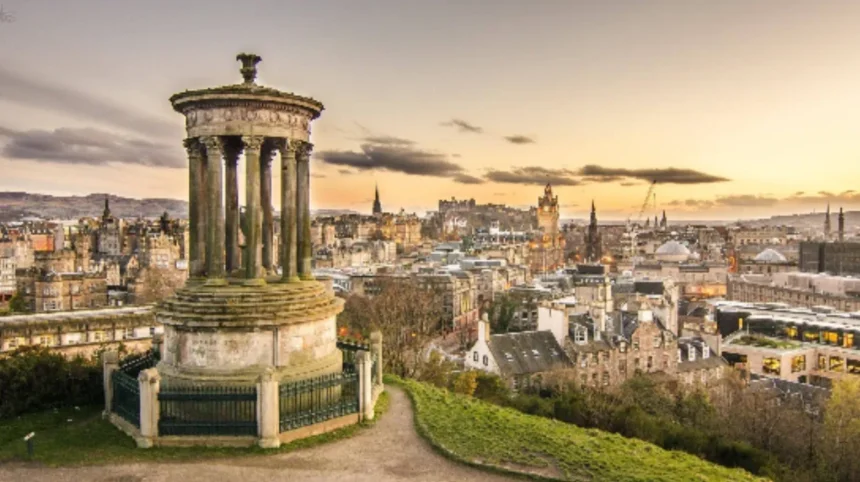
Edinburgh experiences high tourist density due to its compact medieval geography, global cultural festivals, and status as Scotland’s primary capital city transportation hub, which concentrates millions of international travelers into very narrow historical corridors annually.
- Which quiet neighborhoods offer peaceful alternatives to the Royal Mile?
- How can travelers visit major Edinburgh attractions without facing long queues?
- What green spaces and nature walks provide solitude inside the city limits?
- When is the best time of day and year to avoid crowds in Edinburgh?
- Where can visitors find quiet dining and traditional pub experiences in Edinburgh?
- What hidden historic closes and courtyard gardens offer peaceful shelter?
- How can travelers use public transportation to reach uncrowded outskirts?
The spatial structure of central Edinburgh directly causes physical congestion during peak visitation periods. The Old Town operates on a medieval footprint centered around the Royal Mile, a single thoroughfare measuring one Scots mile that links Edinburgh Castle to the Palace of Holyroodhouse. Topographical constraints, including extinct volcanic ridges and steep valleys, limit modern pedestrian dispersion, driving high foot traffic into uniform paths.
Seasonal festival programming further accelerates crowd levels. The Edinburgh Festival Fringe and the Edinburgh International Festival in August double the resident population of 518,000 people, generating over three million ticketed attendances. Additionally, cruise ships docking at the Port of Leith discharge thousands of day-trippers into the city center simultaneously, compounding congestion around Princes Street, the Grassmarket, and Victoria Street between 10:00 and 16:00 daily.
Which quiet neighborhoods offer peaceful alternatives to the Royal Mile?
Quiet neighborhoods such as Dean Village, Stockbridge, Duddingston, and Bruntsfield offer peaceful alternatives to the Royal Mile by providing historical architecture, independent commercial streets, and expansive green spaces located outside central tourist zones.
Dean Village provides an architectural alternative situated in a steep valley along the Water of Leith. Originally a grain-milling settlement for over 800 years, this residential enclave retains nineteenth-century workers’ housing, such as Well Court, while excluding vehicular tour buses due to narrow bridge access. Walking east along the Water of Leith Walkway leads directly to Stockbridge, a neighborhood characterized by Georgian residential mews, independent bookstores, and local food markets.
Duddingston Village sits on the eastern slopes of Arthur’s Seat within Holyrood Park. Dating back to the twelfth century, Duddingston features the parish church built in 1124 and Dr Neil’s Garden, a tranquil botanical space overlooking Duddingston Loch. Bruntsfield and Morningside present wide Victorian avenues bordered by local cafes, green parks like the Bruntsfield Links, and minimal tour group activity, making them ideal for low-density urban exploration.
How can travelers visit major Edinburgh attractions without facing long queues?
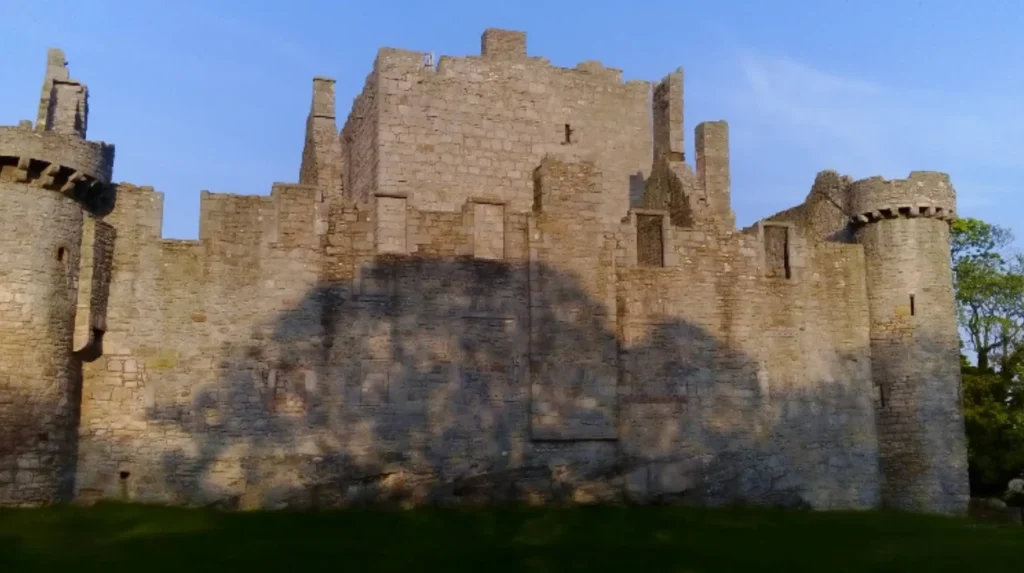
Travelers visit major attractions without queues by purchasing early-morning advance tickets, taking advantage of evening opening hours, or selecting lesser-known historic sites that offer equivalent cultural value.
Securing pre-booked timed entry slots for the first operational hour at 09:30 allows visitors to explore Edinburgh Castle before group tour coaches arrive at 11:00. Historic Environment Scotland manages ticket capacity electronically, meaning advance online booking guarantees access while avoiding physical ticket queues at the esplanade gate. The Palace of Holyroodhouse offers similar early-entry benefits, particularly on weekday mornings outside July and August.
Alternative historical properties deliver rich heritage experiences without mass gatherings. Craigmillar Castle, a fifteenth-century fortress located three miles southeast of the city center, recorded under 50,000 annual visitors compared to over two million at Edinburgh Castle.
Visitors at Craigmillar Castle can explore intact medieval tower houses and courtyard ruins in near solitude. Similarly, the National Museum of Scotland on Chambers Street offers multi-floor exhibition halls where crowd density drops significantly above the central Grand Gallery.
What green spaces and nature walks provide solitude inside the city limits?

Green spaces like the Water of Leith Walkway, the Royal Botanic Garden, Blackford Hill, and the Hermitage of Braid provide urban solitude through miles of continuous nature trails.
The Water of Leith Walkway stretches 12 miles from Balerno to Leith, flowing through shaded river valleys that shield pedestrians from urban traffic noise. Key sections, including the pathway between Roseburn and Modern One gallery, pass through dense woodland and stone tunnels without heavy foot traffic. The Royal Botanic Garden Edinburgh spans 70 acres in Canonmills, offering extensive arboretums, glasshouse collections, and peaceful side paths that absorb visitors easily.
South of the city center, the Hermitage of Braid and Blackford Hill Local Nature Reserve covers woodland, riverbank, and hilltop ecosystems. The Hermitage valley trail follows the Braid Burn under a canopy of mature beech trees, leading toward the Royal Observatory on Blackford Hill. This southern viewpoint provides 360-degree panoramic views of the Edinburgh skyline, the Firth of Forth, and the Pentland Hills with a fraction of the crowds found on Calton Hill or Arthur’s Seat.
When is the best time of day and year to avoid crowds in Edinburgh?
The best time to avoid crowds in Edinburgh is during the shoulder and off-peak months of November through March, specifically during early morning hours before 09:00 on weekdays.
Seasonal visitation data demonstrates significant fluctuations in tourist volume across the calendar year. Winter months, excluding the Christmas and Hogmanay holiday weeks, register the lowest visitor numbers across Scottish capital cultural sites. November, January, and February offer quiet streets, reduced hotel rates, and immediate entry to public museums, though daylight hours decrease to approximately seven hours per day. October and April represent ideal shoulder months, balancing mild weather conditions with moderate foot traffic.
Daily visitor patterns follow predictable timing cycles regardless of the season. Pedestrian activity peaks between 10:30 and 15:30 as day-trippers, cruise passengers, and regional commuters converge on central shopping districts. Exploring public areas like Circus Lane, the Royal Mile closes, or the Vennel steps at sunrise provides uninterrupted access for photography and walking. Evening hours after 17:00 similarly feature quiet conditions across historic residential neighborhoods as commercial tours conclude.
Where can visitors find quiet dining and traditional pub experiences in Edinburgh?
Visitors find quiet dining and traditional pub experiences by seeking out historic establishments situated in residential enclaves away from main commercial thoroughfares.
Traditional Scottish pubs operating outside the primary tourist grid maintain authentic historic atmospheres without excessive crowding. The Sheep Heid Inn, located in Duddingston Village, holds documented origins dating to 1360, making it one of Scotland’s oldest surviving public houses. Its location behind Arthur’s Seat limits passing foot traffic, preserving a calm environment complete with a nineteenth-century skittle alley. In Stockbridge, pubs along St Stephen Street provide quiet snugs and cask ale selections away from busy streetfronts.
Culinary options across Bruntsfield, Marchmont, and Abbeyhill offer tranquil dining environments frequented primarily by local residents. Dining rooms situated along Montpelier Park or Easter Road emphasize seasonal Scottish ingredients without requiring months of advance reservation. Selecting restaurants that operate lunch service after 14:00 or dinner service before 18:00 further ensures reduced dining room noise and attentive service.
What hidden historic closes and courtyard gardens offer peaceful shelter?
Hidden historic closes and courtyard gardens like Dunbar’s Close, Reader’s Close, and Riddle’s Court offer peaceful shelter via walled pedestrian passageways hidden along the Royal Mile.
The Old Town urban grid contains over 80 historic closes, which are narrow covered alleyways leading off main thoroughfares into private residential courtyards. Dunbar’s Close Garden, located near the foot of the Royal Mile, opens into a reconstructed seventeenth-century knot garden. High stone walls block out ambient city traffic noise, creating a secluded green sanctuary planted with trimmed yew hedges, herbs, and gravel pathways.
Riddle’s Court, situated near Lawnmarket, features a conserved sixteenth-century merchant courtyard that once hosted King James VI. The courtyard leads into tranquil historic rooms managed by the Scottish Historic Buildings Trust, offering architectural insights into Scottish Renaissance housing away from crowded sidewalks. Reader’s Close and Baking Company Close similarly provide quiet pedestrian shortcuts lined with stone masonry, historic plaques, and zero commercial stalls.
How can travelers use public transportation to reach uncrowded outskirts?
Travelers use public transportation to reach uncrowded outskirts by taking municipal Lothian Buses or suburban train routes directly to coastal villages and regional hill parks.
Lothian Buses operates an extensive bus network across the city and surrounding Lothian regions, utilizing flat-fare electronic contactless payment systems. Bus Route 43 travels northwest from the city center to South Queensferry in 45 minutes, dropping passengers beside the Firth of Forth bridges. South Queensferry features quiet coastal walking paths, historic harbors, and boat launch access to Inchcolm Island, a remote monastic island ruin managed by Historic Environment Scotland.
Southward routes expand access to natural hill ranges. Bus Routes 4 and 15 transport visitors directly to the foot of the Pentland Hills Regional Park at Swanston or Flotterstone. The Pentlands encompass over 100 kilometers of signposted hiking trails across open hillsides, reservoir loops, and valley passes. Suburban rail services departing from Waverley Station reach coastal towns like North Berwick in 33 minutes, providing quiet beach walks and wildlife sanctuary access outside municipal limits.
Is Edinburgh Castle worth visiting if you want to avoid crowds?
Edinburgh Castle is worth visiting if you pre-book the 09:30 entry time slot online. Arriving right at opening allows you to see the Crown Jewels and Great Hall before group tours arrive.
What is the quietest month to visit Edinburgh?
January and February are the quietest months to visit Edinburgh, offering low foot traffic and minimal attraction queues. Aside from early January holiday travel, visitor numbers hit annual lows during these months.
Where can I walk in Edinburgh without seeing many tourists?
The Water of Leith Walkway from Dean Village to Stockbridge offers scenic, low-traffic walking paths. You can also explore the Hermitage of Braid nature reserve on the city’s south side.
Are there quiet places to view the Edinburgh skyline?
Blackford Hill and the Vennel steps offer panoramic views of the Edinburgh skyline without the large crowds found on Calton Hill. Early morning visits guarantee quiet photography conditions.
How do I escape the crowds during the August Fringe Festival?
To escape Fringe crowds, head to residential neighborhoods like Bruntsfield, Duddingston, or Leith. Day trips out to the Pentland Hills or South Queensferry also offer peaceful escapes from the festival center.


