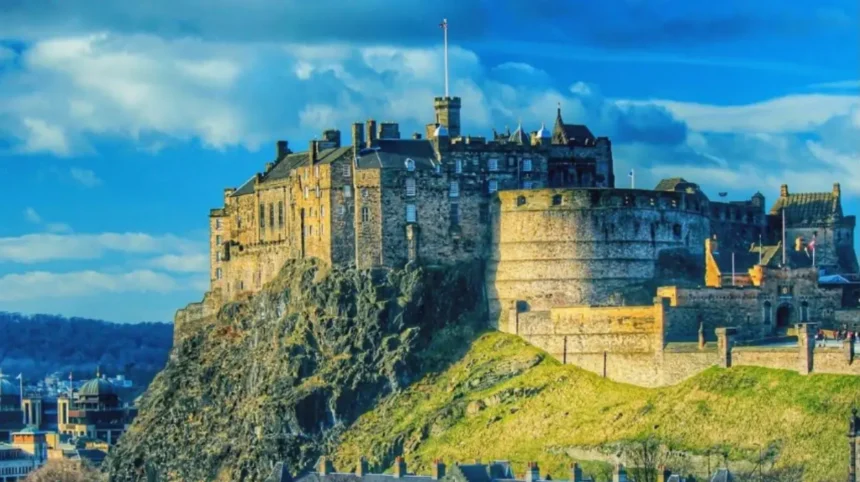
Determining the ideal duration for a trip to Edinburgh depends on trip goals, budget, and travel speed. A visitor can experience the primary central landmarks in two full days, while five days allow for regional day trips across Scotland.
Edinburgh is the capital city of Scotland, situated in the Lothian region on the southern shore of the Firth of Forth. The city has served as the national capital since 1437 and remains the administrative, legal, and cultural heart of Scotland. Geographically, Edinburgh features a volcanic landscape shaped by ancient ice sheets. The city center divides into two distinct UNESCO World Heritage sites: the medieval Old Town and the 18th-century Neoclassical New Town.
Historically, Edinburgh developed as a fortified settlement around Castle Rock. The medieval Old Town expanded along a narrow ridge extending downhill from Edinburgh Castle to the Palace of Holyroodhouse. High population density led to the construction of tall tenement buildings along narrow alleys known as closes. By the mid-18th century, overcrowding prompted the city to plan the New Town across the drained Nor Loch basin. Architect James Craig designed the grid layout in 1767 to reflect Enlightenment principles of order and symmetry.
The urban structure of Edinburgh relies on key geographical corridors. The Royal Mile forms the main spine of the Old Town, measuring exactly one Scots mile from the castle to the palace. Princes Street serves as the principal thoroughfare separating the Old Town from the New Town. Public transit infrastructure includes an extensive bus network operated by Lothian Buses and a tram line connecting Edinburgh Airport to Newhaven. Transport statistics indicate that over 14 million passenger journeys occur on the tram network annually.
Travel itineraries range from single-day express tours to multi-week regional stays. A one-day visit restricts travelers to the main Royal Mile axis and Edinburgh Castle. A two-day itinerary introduces the New Town and major national museum collections. A three-day stay permits visits to peripheral districts such as Leith and Dean Village. Extending a stay to five or more days enables day trips to St Andrews, the Scottish Highlands, or the Pentland Hills.
Statistical data from VisitScotland confirms Edinburgh as the second most visited city in the United Kingdom after London. Overseas tourists record an average stay length of 4.2 nights in the city. Tourism accounts for over £1.2 billion in annual local economic output, supporting more than 30,000 regional jobs. Visitor volume peaks during August due to the Edinburgh International Festival and the Edinburgh Festival Fringe, which collectively sell over 3 million tickets annually.
The length of a stay carries practical implications for accommodation costs, transit passes, and attraction reservations. Advance booking is mandatory for major heritage sites during peak summer months. Shorter stays require centralized lodging near Waverley Railway Station to minimize internal travel time. Longer stays offer financial efficiency through weekly rental rates and multi-day transit passes. Edinburgh remains a accessible year-round destination, though winter daylight hours drop to under seven hours per day in December.
How Can You Experience Edinburgh in Just 1 Day?
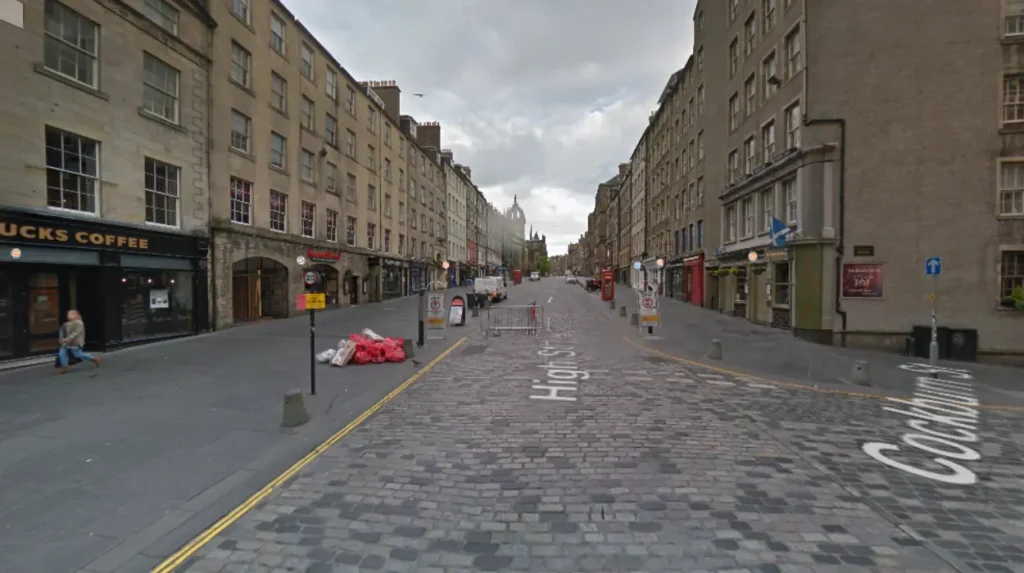
A one-day itinerary focuses entirely on the Royal Mile, Edinburgh Castle, and Holyroodhouse Palace. Visitors must walk the central historic corridor to maximize time efficiency and view core sights.
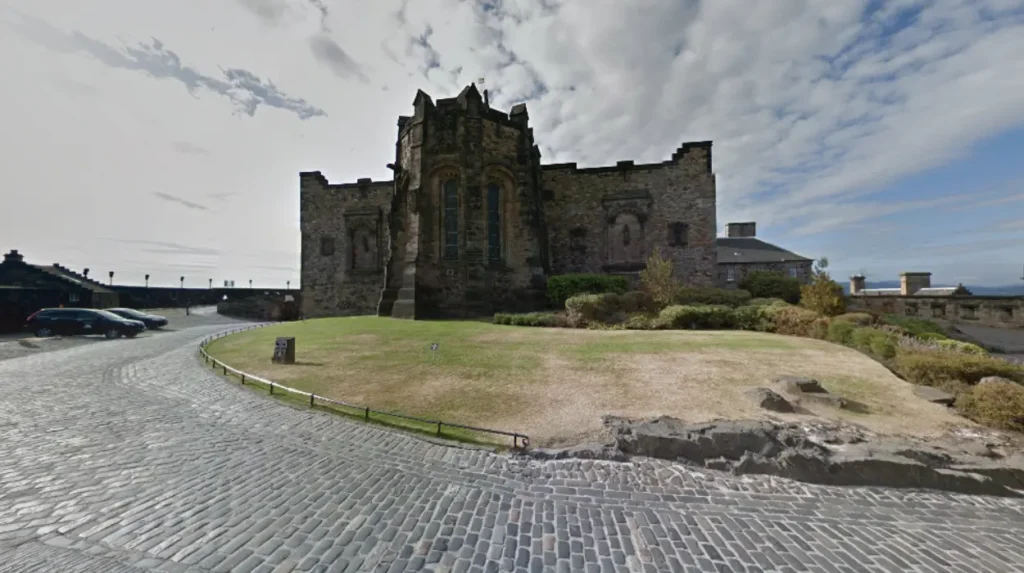
A single day in Edinburgh requires strict geographical focus on the medieval Old Town corridor. Visitors start the morning at Castle Rock, an extinct volcanic plug rising 130 meters above sea level. Edinburgh Castle houses the Crown Jewels of Scotland, also known as the Honours of Scotland, and the Stone of Scone. The castle site has served as a royal fortress since the reign of King David I in the 12th century. Touring the fortress interior requires approximately two hours.
Walking down the Royal Mile leads past historic structures such as St Giles’ Cathedral. St Giles’ Cathedral was founded in 1124 and served as the focal point of the Scottish Reformation under John Knox in the 16th century. The building features a crown steeple completed in 1495 and the 20th-century Thistle Chapel. Continuing east down the Royal Mile brings visitors past the Museum of Edinburgh and the John Knox House, which dates from 1470.
The Royal Mile terminates at the Palace of Holyroodhouse, the official Scottish residence of the British monarch. King David I founded Holyrood Abbey on this site in 1128, and King James IV converted the guesthouse into a royal palace in 1501. The palace contains the historic apartments of Mary, Queen of Scots, where David Rizzio was murdered in 1566. Adjacent to the palace stands the modern Scottish Parliament Building, designed by Spanish architect Enric Miralles and opened in 2004.
An evening in a one-day schedule concludes with a climb up Calton Hill or Arthur’s Seat for panoramic views. Calton Hill contains national monuments including the National Monument of Scotland, modeled after the Parthenon in Athens. The ascent requires fifteen minutes of walking from the east end of Princes Street. This condensed route covers three kilometers of total walking distance across the central UNESCO World Heritage zone.
What Does a 2-Day Edinburgh Itinerary Include?
A two-day stay allows visitors to entirely both the Old Town and the Neoclassical New Town. This timeframe includes major national museum visits and shopping along historic avenues.
Day two expands the travel radius into the 18th-century New Town district. The New Town represents a masterwork of Georgian urban planning designed by James Craig. The architectural layout features parallel streets: Princes Street, George Street, and Queen Street, connected by cross streets named for British royals and patron saints. The Georgian House on Charlotte Square offers preserved interiors showcasing upper-class life in Edinburgh between 1796 and 1820.
Shopping and cultural institutions anchor the New Town geography. The National Galleries of Scotland site on the Mound displays European art spanning the Renaissance to the Post-Impressionist eras. The collection includes works by Allan Ramsay, Henry Raeburn, and Rembrandt. Nearby, Princes Street Gardens occupies the valley formed by the drained Nor Loch, offering views of the Old Town skyline and the Scott Monument. The Scott Monument stands 61 meters tall, constructed in 1846 to honor author Sir Walter Scott.
The afternoon of the second day shifts to the National Museum of Scotland on Chambers Street. The museum complex combined the Royal Museum and the Museum of Scotland in 2006. The grand gallery displays 12,000 items ranging from archaeological artifacts of ancient Scotland to the preserved body of Dolly the Sheep, the world’s first cloned mammal. Admission to the primary national museum collection remains free of charge under public funding policies.
A two-day stay provides adequate time to sample regional Scottish culinary specialties. Traditional dining options center on haggis, neeps, and tatties, alongside locally sourced seafood such as Scottish salmon and langoustines. Visitors can end the second evening exploring the underground vaults located beneath the South Bridge structure built in 1788. These stone vaults reveal 18th-century urban expansion patterns and historic storage chambers.
Why Is 3 Days Considered the Ideal Stay Length?
Three days provide a complete entirely of Edinburgh by incorporating Leith, Dean Village, and botanical spaces. This timeframe eliminates travel haste while securing access to top attractions.
A three-day duration allows visitors to venture beyond the central historic core into peripheral historic neighborhoods. Day three typically begins in Dean Village, a former watermill village situated along the Water of Leith stream. The village operated flour mills for over 800 years, powered by the flowing water of the river. Architectural highlights include Well Court, a residential building constructed in 1886 by newspaper publisher John Findlay to house local millworkers.
From Dean Village, the Water of Leith Walkway leads toward the Scottish National Gallery of Modern Art. The facility spans two classical buildings, Modern One and Modern Two, surrounded by sculpture parks designed by Charles Jencks. The gallery holds modern collections featuring works by Eduardo Paolozzi, Francis Bacon, and the Scottish Colourists. This natural walking trail covers four kilometers of dedicated pedestrian pathway within the city boundaries.
The third afternoon transitions to the port district of Leith, located three kilometers north of the city center. Leith served as Edinburgh’s primary trading port from the 14th century, facilitating commerce with Scandinavia and the Baltic region. The docklands now house the Royal Yacht Britannia, which served the British monarch from 1953 to 1997. Visitors can tour the royal apartments, engine rooms, and state dining rooms across five decks.
A three-day stay accommodates visits to the Royal Botanic Garden Edinburgh in the Inverleith district. Established in 1670 as a physic garden near Holyrood, the garden relocated to its current 70-acre site in 1820. The collection contains over 13,500 living plant species, representing 3% of all known plant species worldwide. The site features Victorian glasshouses, including the Temperate Palm House built in 1858.
How to Spend 5+ Days Using Edinburgh as a Base?
A stay of five or more days enables comprehensive city exploration along with day trips to regional Scottish destinations. Travelers access castles, golf courses, and mountain landscapes via rail or road.
Staying five days or longer transforms Edinburgh into a regional hub for central Scotland explorations. Day four can feature a short rail journey to St Andrews in the Kingdom of Fife. St Andrews is renowned globally as the home of golf and houses the University of St Andrews, founded in 1413. The town features ruined 12th-century cathedral structures, castle ruins along the North Sea, and the Old Course golf facility.
Another major day trip destination is Stirling Castle, located 40 minutes west of Edinburgh by train. Stirling Castle occupies a strategic volcanic crag overlooking the River Forth and served as a royal residence for the Stuart dynasty. Historical events at Stirling include the coronation of Mary, Queen of Scots in 1543 and nearby battles led by William Wallace and Robert the Bruce. The castle interior displays reconstructed 16th-century royal apartments and tapestries.
A multi-day itinerary can also incorporate the Pentland Hills Regional Park, situated ten kilometers south of Edinburgh city center. The park spans 10,000 hectares of upland terrain featuring 100 kilometers of marked walking trails. Peaks such as Scald Law rise to 579 meters above sea level, offering views across the Firth of Forth. The area provides outdoor recreational opportunities without requiring long travel times to the Highlands.
Longer stays afford opportunities to attend cultural performances at the Edinburgh Festival Theatre or the Usher Hall. Visitors can also explore niche academic institutions, such as the Anatomical Museum at the University of Edinburgh or the Surgeons’ Hall Museums. Surgeons’ Hall displays surgical instruments, pathology specimens, and historical artifacts documenting Edinburgh’s contributions to modern medical science since 1505.
How many days are needed in Edinburgh for first-time visitors?
First-time visitors should plan for a minimum of two to three full days in Edinburgh. This duration provides enough time to tour Edinburgh Castle, walk the Royal Mile, explore the New Town, and visit major national museums without rushing.
Is one day enough to see Edinburgh?
One day is sufficient only for seeing the primary central landmarks along the Royal Mile corridor. You can view Edinburgh Castle and the Palace of Holyroodhouse, but you will miss outer districts like Leith, Dean Village, and local museums.
Should I rent a car while staying in Edinburgh?
Renting a car is unnecessary and unrecommended for exploring Edinburgh city center due to limited parking, pedestrian zones, and heavy traffic. The city features excellent public transit options, including buses, trams, and walkable routes.
What is the best month to visit Edinburgh?
May, June, and September offer pleasant weather, longer daylight hours, and moderate tourist crowds. August attracts the largest crowds due to the annual Edinburgh Festival Fringe, which increases accommodation prices across the region.
Can you take day trips to the Scottish Highlands from Edinburgh?
Yes, organized coach tours and direct train services link Edinburgh to Highland destinations such as Loch Ness, Glencoe, and the Cairngorms National Park. These day tours typically require 10 to 12 hours of total round-trip travel time.