
Choosing between Old Town and New Town depends on whether you prefer historic charm or modern convenience. Old Town offers historic architecture, pedestrian streets, and cultural landmarks, while New Town provides modern hotel amenities, lower accommodation prices, and better transport hubs.
- How Do Accommodation Costs Compare Between Old Town and New Town?
- Which Location Offers Better Accessibility and Public Transportation Links?
- What Are the Dining and Nightlife Differences Between These Two Districts?
- How Does Safety and Atmosphere Vary Day and Night?
- Is it better to stay in Old Town or New Town for first-time visitors?
- Which area is better for travelers with physical mobility challenges?
- Is New Town safer than Old Town for solo travelers?
- Do hotels in Old Town have elevators and air conditioning?
- Where should business travelers stay when visiting major European cities?
Old Town districts represent the historic core of European and world cities, often originating from medieval, Renaissance, or early modern urban settlements.
These areas features narrow cobblestone streets, preserved architectural monuments, traditional market squares, and historic building codes that prevent major structural changes.
Major examples include the UNESCO World Heritage site of Stare Miasto in Krakow, Poland, and the historic center of Prague, Czech Republic.
New Town districts typically developed during nineteenth-century urban expansions or post-war reconstruction projects to accommodate growing urban populations.
These neighborhoods feature wider grid-like avenues, modern multi-story buildings, expanded streetcar lines, and contemporary commercial infrastructure.
Modern developments in New Town areas allow for larger hotel properties that incorporate modern heating, elevators, spacious bathrooms, and underground vehicle parking facilities.
Travelers choosing between these two zones must evaluate distinct structural differences regarding accessibility, noise levels, walkability, and lodging costs.
Old Town areas prioritize historic preservation, which can limit vehicle traffic and increase walking requirements for visitors carrying heavy luggage.
New Town areas prioritize transit accessibility, offering direct connections to major train terminals, international airports, and highway networks.
How Do Accommodation Costs Compare Between Old Town and New Town?
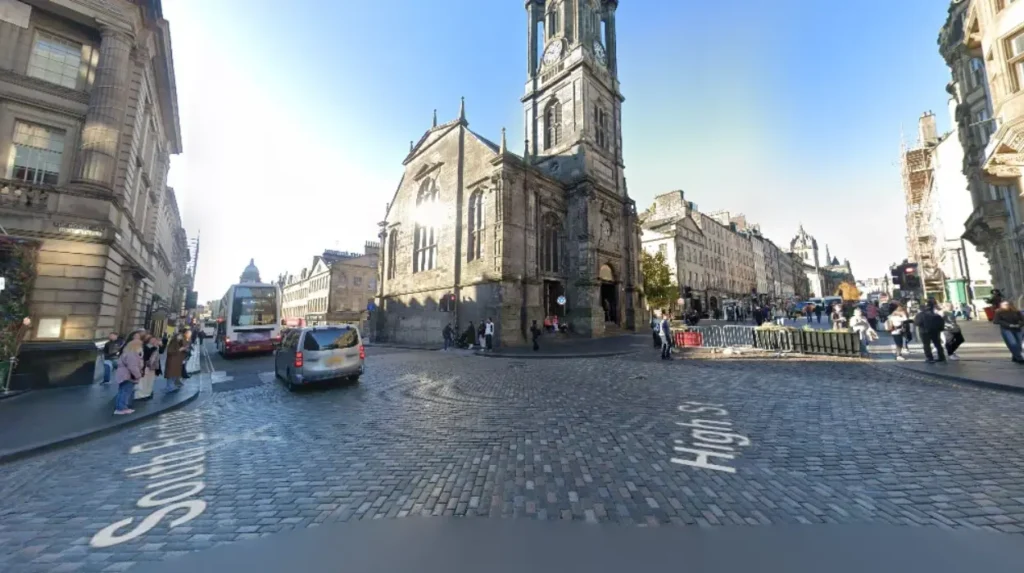
Accommodation costs in Old Town are generally twenty to forty percent higher than in New Town due to limited hotel inventory and high tourist demand. New Town offers a wider range of budget options, international hotel chains, and spacious rooms.
Hotel pricing structures reflect real estate scarcity within historic center boundaries. Old Town properties operate within protected historic structures where room numbers remain fixed due to strict municipal preservation regulations.
High demand from global tourists combined with limited supply drives up average daily room rates across all accommodation classes.
New Town districts feature larger commercial real estate plots that permit high-density hotel development. International hospitality chains establish large-scale properties in these areas, creating a higher supply of rooms that suppresses nightly rates through market competition.
Guests in New Town frequently receive larger room square footage, standardized modern amenities, and lower room prices compared to Old Town options.
Budget travelers benefit significantly from selecting New Town accommodations due to the prevalence of modern hostels, mid-range business hotels, and apartment rentals.
Financial savings achieved on lodging in New Town can offset minor transit expenses incurred when commuting to historic attractions located in the city core.
Which Location Offers Better Accessibility and Public Transportation Links?
New Town provides superior access to central train stations, airport express buses, subway hubs, and taxi drop-off points. Old Town features extensive pedestrian zones that restrict motorized vehicles, requiring guests to walk with luggage from transit boundaries.
Transportation networks in major global destinations center around nineteenth and twentieth-century urban planning infrastructure. Central railway terminals, main bus stations, and subway interchanges are predominantly located in or immediately adjacent to New Town boundaries.
These locations enable arriving passengers to access their accommodations directly without transferring between multiple transport modes.
Old Town districts enforce strict vehicle access restrictions to protect historic road surfaces and maintain safety in dense pedestrian zones.
Municipal authorities implement automated bollards, zero-emission zone rules, and limited delivery hours that prohibit taxis and rideshare vehicles from reaching hotel entrances.
Visitors staying in Old Town must be prepared to roll luggage across uneven cobblestone surfaces for several blocks.
Public transit services inside Old Town zones are usually limited to historic tram lines or small electric micro-buses designed for narrow lanes. In contrast, New Town avenues accommodate multi-lane bus corridors, underground metro stations, and dedicated taxi stands.
This makes New Town ideal for travelers with mobility limitations, heavy luggage, or early morning flight schedules.
What Are the Dining and Nightlife Differences Between These Two Districts?
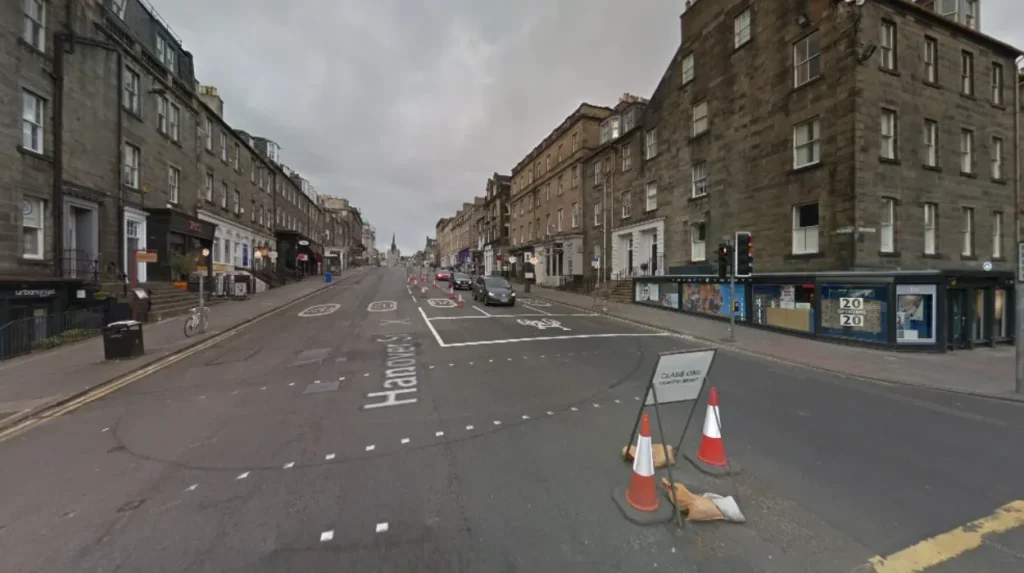
Old Town concentrates traditional restaurants, historic taverns, and outdoor cafes catering directly to tourists. New Town features authentic local eateries, specialty cocktail bars, craft breweries, and contemporary culinary concepts frequented by local residents.
Dining environments in Old Town districts center around regional culinary heritage and tourist convenience. Historic squares feature outdoor seating areas where guests consume traditional dishes while observing landmark architecture.
However, high demand and prime locations often lead to elevated food prices, service surcharges, and standardized menus tailored to international palates.
New Town dining scenes reflect authentic local lifestyle preferences, working-lunch demands, and modern culinary innovation.
Neighborhoods in New Town house independent bistros, ethnic dining establishments, specialty coffee roasters, and bars popular with local working professionals.
Prices in New Town venues are generally lower and offer greater quality variation than tourist-heavy historic centers.
Nightlife in Old Town typically revolves around tourist pubs, historical wine cellars, and centralized entertainment zones. Nightlife in New Town features underground music venues, contemporary cocktail lounges, multi-floor dance clubs, and rooftop lounges.
Travelers seeking authentic local interactions often prefer the evening atmosphere of New Town districts.
How Does Safety and Atmosphere Vary Day and Night?
Old Town is extremely safe during daylight hours but becomes quiet or crowded with nightlife crowds after dark. New Town maintains steady local foot traffic, professional police presence, and consistent street lighting throughout the day and night.
Safety dynamics in Old Town zones are heavily influenced by high pedestrian density and tourist concentrations. Daylight hours see heavy foot traffic, creating a safe environment where petty theft and pickpocketing represent the primary security concerns.
At night, main tourist thoroughfares remain active, while residential side streets can become isolated once retail shops close.
New Town districts maintain balanced activity patterns throughout twenty-four-hour cycles due to mixed commercial, residential, and corporate land use.
Office workers, local shoppers, and residents populate streets during working hours, while dining patrons sustain evening street activity. Well-lit avenues, active street traffic, and open businesses provide natural surveillance across New Town streets.
Noise profiles differ substantially between the two districts depending on the time of day. Old Town accommodations experience early morning delivery noise, tour group gatherings, and late-night pedestrian activity echoing off narrow masonry streets.
New Town accommodations experience steady vehicular traffic noise, though modern soundproof windows in newer buildings effectively mitigate exterior street sounds.
Is it better to stay in Old Town or New Town for first-time visitors?
First-time visitors usually benefit from staying in Old Town because major historical sights, walking tours, and cultural landmarks are within immediate walking distance. This minimizes the need to navigate complex public transit systems during a short initial visit.
Which area is better for travelers with physical mobility challenges?
New Town is significantly better for travelers with mobility challenges due to flat pavement, wide sidewalks, smooth road surfaces, step-free building access, and direct vehicle drop-off options right at hotel entrances.
Is New Town safer than Old Town for solo travelers?
Both areas are generally safe, but New Town offers better night lighting, wider visibility, and consistent local pedestrian traffic, whereas narrow Old Town alleys can feel isolated after shops close late at night.
Do hotels in Old Town have elevators and air conditioning?
Many boutique hotels in Old Town operate inside historic buildings where structural preservation laws prevent installing elevators or central air conditioning, making it essential to verify amenities prior to booking.
Where should business travelers stay when visiting major European cities?
Business travelers should stay in New Town because it offers direct links to financial districts, proximity to central train terminals, dependable high-speed internet, spacious working desks, and modern business hotels.